

How Much Does Vinyl Flooring Installation Cost?
Installing vinyl flooring typically costs $4 to $12 per square foot, covering both materials and labor. For a 200-square-foot room, you can expect to pay between $600 and $2,400. The final price depends on the type of vinyl you choose. Sheet vinyl is the most affordable option, while luxury vinyl plank (LVP) costs more. Local labor rates and your subfloor’s condition also affect the total cost.
These estimates are based on national contractor pricing data and industry cost averages from sources like Angi, HomeAdvisor, and flooring professionals.
What Is Vinyl Flooring?
Vinyl flooring is a synthetic material made from layers of PVC, fiberglass, and other components. These layers are combined to create a durable, water-resistant surface.
Most modern vinyl flooring includes:
- Wear layer: Clear protective coating
- Design layer: Printed pattern that mimics wood or stone
- Core layer: Provides strength and stability
- Backing layer: Adds cushioning and sound absorption
These layers make vinyl flooring durable, comfortable underfoot, and suitable for moisture-prone areas.
With proper care, vinyl flooring typically lasts 10 to 20 years. High-quality LVP can last 25 years or more.
See our top picks for the best vinyl flooring brands of 2026.
Vinyl Flooring Cost by Type
| Vinyl type | Material cost (per square foot) | Labor cost (per square foot) | Total installed (per square foot) |
|---|---|---|---|
| Vinyl sheet | $1 to $2 | $1 to $3 | $2 to $5 |
| Vinyl plank (VVP) | $2 to $7 | $2 to $6 | $4 to $13 |
| Luxury vinyl plank (LVP) | $4 to $10 | $2 to $6 | $6 to $16 |
| Vinyl tile | $1 to $5 | $2 to $6 | $3 to $11 |
What Does Vinyl Sheet Flooring Cost to Install?
Vinyl sheet flooring is the most budget-friendly option. Materials cost $1 to $2 per square foot, and labor adds another $1 to $3 per square foot. In total, you can expect to pay about $2 to $5 per square foot installed.
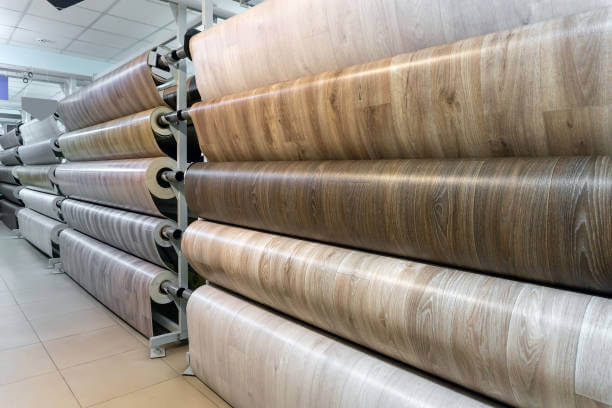
Sheet vinyl is sold in rolls that are typically 6 feet or 12 feet wide and installed with minimal seams. This makes it a good choice for rooms with moisture, like bathrooms and laundry rooms. Because it is installed in large sections, labor is usually faster and more affordable than other vinyl types. However, if it becomes damaged, repairs can be difficult since the entire sheet may need to be replaced.
What Does Vinyl Plank Flooring Cost to Install?
Standard vinyl plank flooring costs $2 to $7 per square foot for materials, plus $2 to $6 per square foot for labor. This brings the total installed cost to about $4 to $13 per square foot.
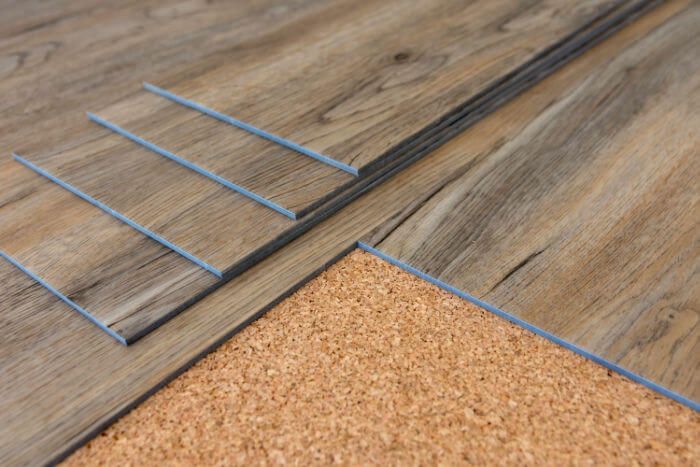
Vinyl planks are designed to look like hardwood or stone and are installed piece by piece. You can glue them down or use a floating floor system with click-lock edges. This style offers a more realistic look than sheet vinyl and makes it easier to repair small sections if needed.
What Does Luxury Vinyl Plank (LVP) Flooring Cost to Install?
Luxury vinyl plank costs $4 to $10 per square foot for materials, plus $2 to $6 per square foot for labor. That puts the total installed cost at $6 to $16 per square foot.
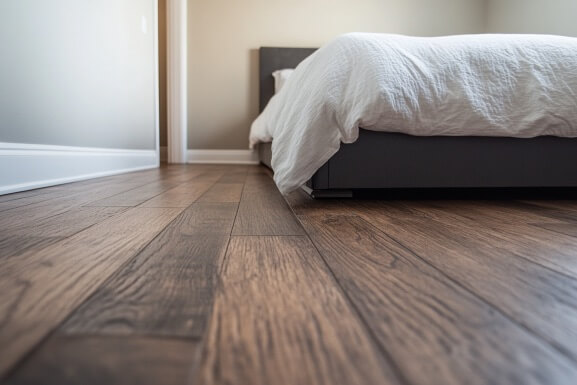
LVP is the highest-quality vinyl flooring option. It is thicker than standard vinyl plank, usually 4 millimeters to 8 millimeters, and has a more realistic wood or stone texture. The wear layer is also stronger, often rated at 12 to 20 mil. This added thickness improves durability, especially in high-traffic areas.
LVP products often come with longer warranties, typically 15 to 25 years, while standard vinyl may be covered for five to 10 years.
Vinyl Flooring Cost by Room Size
| Room size | Sheet vinyl (installed) | Vinyl plank (installed) | LVP (installed) |
|---|---|---|---|
| 100 square feet | $200 to $500 | $400 to $1,300 | $600 to $1,600 |
| 200 square feet | $400 to $1,000 | $800 to $2,600 | $1,200 to $3,200 |
| 300 square feet | $600 to $1,500 | $1,200 to $3,900 | $1,800 to $4,800 |
| 500 square feet | $1,000 to $2,500 | $2,000 to $6,500 | $3,000 to $8,000 |
Tip: Buy about 10% more material than your room’s square footage to account for cuts and waste.
What Does Labor Cost to Install Vinyl Flooring?
Labor for installing vinyl flooring usually costs $1 to $6 per square foot, depending on the type of vinyl and installation method.
- Sheet vinyl: $1 to $3 per square foot (glue-down, seamless)
- Vinyl plank or tile: $2 to $6 per square foot (floating or glue-down)
- LVP: $2 to $6 per square foot (floating click-lock is most common)
Additional labor costs to consider:
- Subfloor preparation: $1 to $3 per square foot for leveling or patching
- Old floor removal: $1 to $2 per square foot
- Underlayment or padding: $0.50 to $1 per square foot (some LVP includes this)
- Transitions and trim: $1 to $3 per linear foot
Most contractors also charge a minimum fee of $150 to $300 per job, so smaller rooms may cost more per square foot.
What Factors Affect the Cost of Vinyl Flooring Installation?
Several factors influence your total project cost.
Wear Layer Thickness
Thicker wear layers, such as 12 mil or more, cost more upfront but last longer in high-traffic areas. Thinner options, around 6 mil, are better suited for low-traffic spaces like bedrooms.
Subfloor Condition
If your subfloor has uneven areas, damage, or leftover adhesive, it may need repair, replacement, or leveling before installation. This is especially important for floating floors, which require a stable base.
Installation Method
Floating floors with click-lock systems are faster and more affordable to install. Glue-down installations take more time and materials, which increases costs.
Room Complexity
Simple, rectangular rooms are less expensive to install. Rooms with closets, angles, or detailed cuts require more labor and material.
Time of Year
Contractors may offer lower rates during slower seasons, such as winter. Scheduling your project during this time could reduce labor costs.
Old Floor Removal
Removing existing flooring adds $1 to $2 per square foot. Tile removal typically costs more than carpet removal.
Geographic Location
Labor rates vary by region. Costs are usually higher in large cities and high-cost areas compared to smaller towns.
Connect with top-rated flooring pros in your area to get quotes and compare pricing.
Compare top-rated flooring pros in your area.
Read real homeowner reviews, explore qualifications, and view promotions. Modernize makes it easy to browse professionals and find one that will be perfect for your project.



FAQs About Vinyl Floors
-
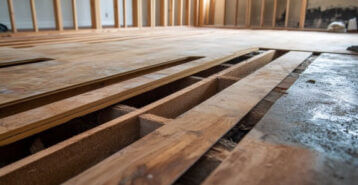
Subfloor Replacement Costs
Key Takeaways Most subfloor replacement projects cost $1,500 to $5,000, with labor typically making up the largest share A well-installed subfloor lasts up to 30 years — problems arise sooner... -
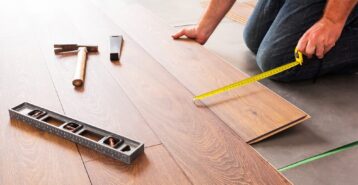
Flooring Installation Cost
How Much Does Flooring Installation Cost? Flooring installation costs can vary more than most other home improvement projects. For example, a basic vinyl update and a high-end hardwood installation can... -
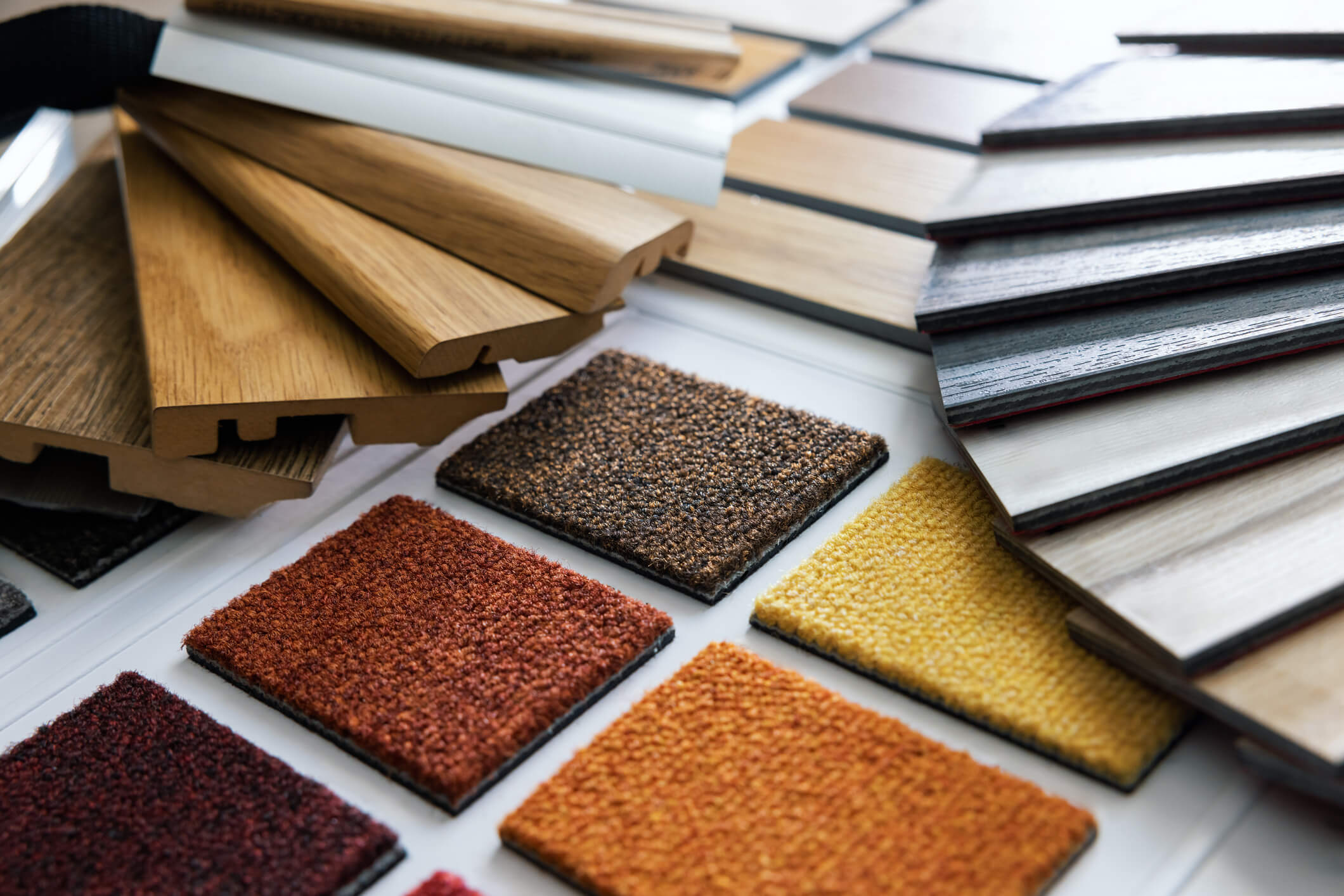
Types of Flooring
Types of Flooring: A Complete Comparison Guide The most popular flooring types include hardwood, luxury vinyl plank (LVP), tile, laminate, carpet, engineered hardwood, and vinyl sheet. Your best option depends... -
Best Flooring Companies
Best National Flooring Companies & Retailers In the U.S., the biggest flooring companies fit into two main groups. Some are full-service installers that manage everything from your first consultation to... -

Tile Flooring Installation
Tile Installation Cost by Type Tile materials vary widely in price. Ceramic is the most budget-friendly option, while natural stone and custom designs are at the higher end. Installed cost... -

How Much Does Empire Today Flooring Cost?
Empire Today Flooring Cost: What to Know Empire Today uses all-inclusive pricing, which means materials, installation, cleanup, and extras are bundled into one upfront estimate. The company does not list...