Foundations
Mobile Home Foundation Types & Cost: What Homeowners Should Expect
Average Cost: $5,000 – $15,000 per project
Mobile home foundation costs typically range from $2,500 to $30,000+, depending on foundation type, site conditions, and installation complexity. Most homeowners spend between $5,000 and $15,000 for a permanent foundation, with basic pier systems on the low end and full basements on the high end.
Find the best foundations pros in your area.

The Modernize Mission
We help homeowners make confident decisions through our reliable, up-to-date, and unbiased information and average project costs. All of our content is thoroughly reviewed and fact-checked by our team of home improvement experts. Learn more about how we maintain these values.
Table of Contents
- How Much Does a Mobile Home Foundation Cost?
- Average Mobile Home Foundation Cost by Type
- Foundation Cost Per Square Foot
- What Factors Affect Mobile Home Foundation Cost?
- What Are the Different Types of Mobile Home Foundations?
- Which Foundation Type Is Best for Your Budget?
- Additional Costs to Consider
- Is It Cheaper to Repair or Replace a Mobile Home Foundation?
- Can You Install a Mobile Home Foundation Yourself?
- How to Save Money on a Mobile Home Foundation
- FAQs About Mobile Home Foundations
How Much Does a Mobile Home Foundation Cost?
Installing a mobile home foundation costs $2,500 to $30,000 or more, depending on home size and foundation type. Here is what most homeowners can expect:
- Low-end ($2,500 to $5,000): Basic pier and beam on level ground
- Mid-range ($5,000 to $15,000): Slab or crawl space with moderate site prep
- High-end ($15,000 to $30,000+): Basement foundation or complex site conditions
As a general rule, smaller homes with simpler foundations cost less, while larger homes with permanent foundations cost more.
If you are financing your mobile home or converting it to real property, a permanent foundation is typically required, which puts most projects in the mid- to high range.
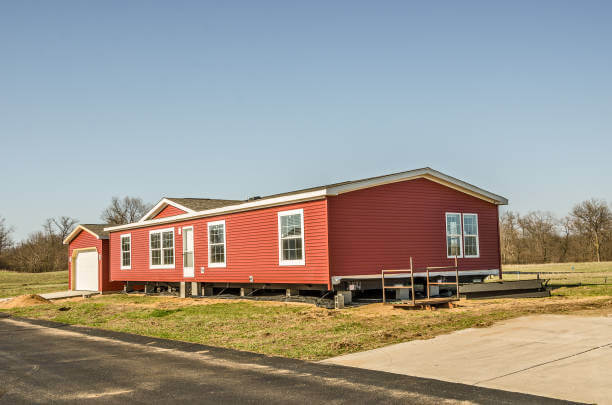
Average Mobile Home Foundation Cost by Type
The type of foundation you choose has the biggest effect on cost, durability, and financing eligibility.
- Pier and beam: $2,500 to $8,000
- Slab: $5,000 to $15,000
- Crawl space: $8,000 to $20,000
- Basement: $15,000 to $30,000+
Pier systems are the most budget-friendly but offer less long-term stability. Slabs and crawl spaces provide stronger support and are often required for financing. Basements are the most expensive but add usable living space and resale value.
Foundation Cost Per Square Foot
Mobile home foundation costs typically run $5 to $40 per square foot, depending on foundation type and site conditions.
- Pier and beam: $5 to $15 per sq. ft.
- Slab: $10 to $20 per sq. ft.
- Crawl space: $15 to $25 per sq. ft.
- Basement: $25 to $40+ per sq. ft.
For reference:
- A 1,000-square-foot home might cost $5,000 to $20,000
- A 1,500-square-foot home could run $7,500 to $30,000+
Square footage matters, but foundation type and site conditions usually have a bigger impact on your final price than home size alone.
What Factors Affect Mobile Home Foundation Cost?
Several variables influence your total, even for homes of similar size. The most important factors are:
- Type of foundation chosen
- Land condition and slope
- Local permit and inspection requirements
- Labor costs and installation complexity
- Additional work like utility hookups or anchoring
Understanding these upfront helps you budget more accurately and avoid surprises during installation.
Foundation Type
Foundation type is the single biggest cost driver. Pier and beam requires minimal excavation and fewer materials, making it the least expensive option. Slabs involve more concrete work and site prep. Crawl spaces require additional structure and ventilation. Basements add excavation, concrete walls, and waterproofing, pushing costs highest.
Choosing the least expensive option upfront may save money at first, but it may not meet financing, zoning, or durability requirements down the road. For most homeowners, a slab or crawl space offers the best long-term value.
Site Preparation and Land Conditions
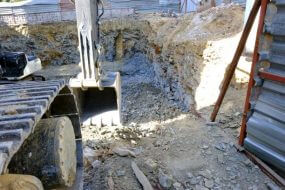
Flat, stable land keeps installation straightforward and costs low. Problematic sites can push expenses significantly higher. Common site prep needs include grading or leveling, soil stabilization, tree or debris removal, and excavation for slopes. Rocky soil, poor drainage, or steep terrain can add $1,000 to $5,000 or more in labor and equipment costs alone.
Permits and Local Regulations
Most mobile home foundations require permits and inspections to comply with local building codes. Permit costs typically range from $100 to $1,000+, depending on your location. Permanent foundations may also require engineering approvals and must meet HUD or FHA guidelines if financing is involved.
Labor and Installation Complexity
Labor represents a major share of your total cost, especially on complex projects. Larger homes, difficult site access, and tight installation spaces all increase labor time. Quotes can vary 20% to 50% between contractors for the same project, so getting multiple bids is worth the effort.
Utility Connections and Anchoring
Many homeowners overlook these add-ons when budgeting. Connecting plumbing, sewer lines, and electrical service, plus installing anchoring systems and skirting, can add $1,000 to $5,000+ to your total. Anchoring is often regulated at the state or local level and should not be skipped. It is what helps keep the home secure in high winds or seismic events.
What Are the Different Types of Mobile Home Foundations?
Mobile home foundations fall into two broad categories: nonpermanent and permanent. The right choice depends on your budget, local requirements, and how long you plan to stay.
Pier and Beam Foundation
Cost: $2,500 to $8,000
This is the most common and affordable option. Concrete or steel piers are anchored into the ground to support the home above, with minimal excavation required.
- Pros: Lowest upfront cost, faster installation, works well on uneven or rural land.
- Cons: Less long-term stability, may not qualify for FHA or VA loans, more exposure to weather and pests underneath.
- Best for: Budget-conscious homeowners or temporary placements.
Slab Foundation
Cost: $5,000 to $15,000
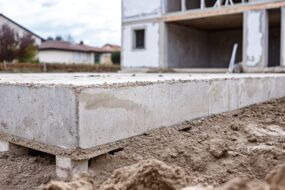
A solid concrete pad poured directly on the ground, with the home anchored to it. It is one of the most popular permanent options because it balances cost and durability.
- Pros: Strong and stable, lower maintenance than pier systems, typically meets financing requirements.
- Cons: Limited access to plumbing below the slab, not ideal for areas with heavy frost or shifting soil.
- Best for: Homeowners seeking a permanent, cost-effective solution.
Crawl Space Foundation
Cost: $8,000 to $20,000
This raises the home slightly above ground, creating a small accessible space underneath. It offers better moisture protection and easier access to utilities than a slab.
- Pros: Easier access for plumbing and repairs, better moisture control with proper ventilation, more durable than pier systems.
- Cons: Higher cost, requires ongoing moisture management.
- Best for: Areas with moderate moisture or homeowners who want easier maintenance access.
Basement Foundation
Cost: $15,000 to $30,000+
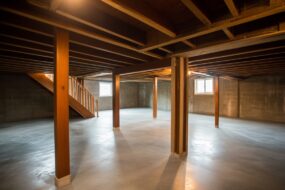
This option involves excavating below the home and building full-height walls, creating additional living or storage space.
- Pros: Adds square footage, strong and long-lasting, can significantly increase resale value.
- Cons: Highest upfront cost, requires major excavation and waterproofing, longest installation time.
- Best for: Homeowners planning long-term use or looking to add usable space.
Which Foundation Type Is Best for Your Budget?
The best foundation is not always the cheapest one. It is the one that fits your budget while meeting your long-term needs.
- Tight budget: Pier and beam keeps costs low but limits financing and durability.
- Balanced approach: Slab foundations offer solid value and meet most lender requirements.
- Mid- to long-term investment: Crawl spaces provide flexibility and better moisture protection.
- Long-term value: Basements cost more upfront but add usable space and resale appeal.
If you plan to finance or convert the home to real property, a permanent foundation is often required. Choosing a less expensive option now may mean a costly upgrade later.
Additional Costs to Consider
The base foundation price is only part of your total. Common add-on costs can push the overall project $1,000 to $10,000+ higher, depending on your site and finishing needs.
Site Clearing and Excavation
Before installation, the land may need clearing and preparation, including removing trees or debris, leveling the lot, and excavating for slabs or basements.
Typical cost: $500 to $5,000+. Flat, cleared land keeps this minimal. Sloped or wooded lots add significant labor and equipment time.
Drainage and Waterproofing
Proper drainage helps prevent long-term foundation problems. You may need French drains, gravel base layers, or waterproof coatings, especially for basements and crawl spaces.
Typical cost: $1,000 to $5,000+. Skipping this step is one of the most common causes of settling, moisture damage, and costly repairs down the road.
Skirting and Finishing
Skirting covers the gap between the home and ground, improving appearance, insulation, and pest protection. Vinyl is the most affordable option, while brick or faux stone costs more.
Typical cost: $500 to $3,000+.
Foundation Repair or Replacement
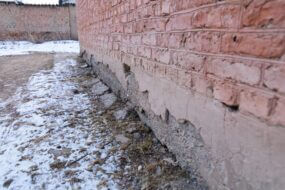
If you are replacing an existing foundation, expect higher costs because of removal, disposal, and re-leveling work.
Typical cost: $1,000 to $10,000+, depending on condition.
Is It Cheaper to Repair or Replace a Mobile Home Foundation?
Repairing a foundation is cheaper upfront, but replacement is often the smarter long-term investment.
- Repair makes sense when: Issues are isolated, the structure is mostly sound, and you need a short-term fix. Minor leveling or pier adjustments typically run $500 to $3,000. Reinforcing supports or anchors costs $1,000 to $5,000.
- Replacement makes sense when: The foundation is failing or unsafe, you want to upgrade to permanent, or you are planning to finance or sell. Full replacement runs $5,000 to $30,000+.
A useful rule of thumb is this: If repair costs are approaching 40% to 50% of full replacement cost, replacing the foundation usually delivers better long-term value. Repairs can buy time but will not fix underlying problems like poor drainage, soil instability, or outdated design.
Can You Install a Mobile Home Foundation Yourself?
Technically, yes, but for most homeowners, professional installation is the safer and more cost-effective choice over time.
Simple pier and beam systems may seem manageable, but even basic installations require precise leveling, proper anchoring, and code compliance. Small errors can cause long-term shifting, uneven floors, or structural stress.
- DIY may be feasible if: You are installing a basic pier system, the site is already level and prepared, and local codes allow homeowner installation.
- Most homeowners hire professionals because: Foundations must pass inspection, permanent foundations require specialized equipment, and improper work can void warranties or affect financing eligibility. Anchoring, which governs how the home handles wind and seismic loads, is also regulated at the state or local level and typically requires a licensed contractor.
DIY can save money upfront, but mistakes often cost significantly more to correct. For anything beyond a simple pier setup, hiring a licensed contractor is usually the better investment.
How to Save Money on a Mobile Home Foundation
Foundation work is not cheap, but there are practical ways to reduce costs without sacrificing safety or quality.
- Do not overbuild. A slab may be more cost-effective than a crawl space if you do not need access underneath. Match the foundation to your actual needs.
- Prep the site yourself where possible. Clearing debris or leveling minor areas before contractors arrive can reduce billable labor time.
- Get at least three quotes. Contractor pricing can vary 20% to 50% for the same project. Comparing quotes is one of the easiest ways to save.
- Bundle work when possible. Combining foundation installation with utility hookups or site prep often reduces total project cost.
- Ask about financing and assistance programs. Some areas offer grants, low-interest loans, or other programs for permanent foundation upgrades. It is worth checking with your local housing authority.
- Plan for the long term. Less expensive options like pier systems cost less upfront but tend to require more maintenance. The foundation that lasts is usually the one that saves you the most money over time.
Modernize can connect you with foundation pros in your area so you can get quotes and compare prices.
This content was created with the assistance of AI and reviewed, edited, and fact-checked by our editorial team for accuracy and clarity. See our Editorial Policy for more details.