Foundations
Foundation Repair Cost in Illinois: Prices by City
Average Cost: $3,500 – $12,000
In Illinois, most homeowners pay around $7,500 for foundation repairs. Smaller fixes might cost as little as $1,200, while bigger projects can exceed $20,000. The final price depends on your location, the type of foundation you have, and the extent of the damage.
Illinois has one problem that drives most of its foundation issues: clay soil. It covers the majority of the state, swells when it’s wet, and shrinks when it dries out, putting constant pressure on foundation walls through every seasonal change. Add in freeze-thaw winters and a large supply of older homes, and you have a state where foundation problems are common and tend to get worse if you wait.
Connect with Illinois’ best foundation repair pros.

The Modernize Mission
We help homeowners make confident decisions through our reliable, up-to-date, and unbiased information and average project costs. All of our content is thoroughly reviewed and fact-checked by our team of home improvement experts. Learn more about how we maintain these values.
Table of Contents
- How Much Does Foundation Repair Cost in Illinois?
- Foundation Repair Cost by Metro Area in Illinois
- Foundation Repair Cost per Square Foot in Illinois
- Factors That Affect Foundation Repair Cost in Illinois
- Cost of Not Repairing Your Foundation
- ROI of Foundation Repair in Illinois
- How to Save on Foundation Repair Costs in Illinois
- Next Steps
How Much Does Foundation Repair Cost in Illinois?
Most Illinois homeowners spend between $3,500 and $12,000 on foundation repairs, with a single-project average of around $7,500. Smaller fixes can cost less, while extensive structural repairs can exceed $20,000 — particularly in the Chicago metro, where older housing stock, dense clay soils, and higher labor rates all push costs upward.
- Minor repairs: $1,200 to $3,500
- Moderate repairs: $3,500 to $10,000
- Major structural repairs: $10,000 to $20,000+
Ready to connect with Illinois foundation repair pros?
Foundation Repair Cost by Metro Area in Illinois
Costs vary significantly across Illinois. The Chicago metro carries the state’s highest labor rates and the most complex foundation conditions, while central and southern Illinois markets are more affordable — though expansive clay soils and freeze-thaw cycles create real repair needs throughout the state.
| Metro Area | Minor Repair | Moderate Repair | Major Repair |
|---|---|---|---|
| Chicago | $1,800 to $4,500 | $5,000 to $12,000 | $12,000 to $22,000+ |
| Aurora / Naperville | $1,500 to $4,000 | $4,500 to $11,000 | $11,000 to $20,000+ |
| Rockford | $1,300 to $3,500 | $4,000 to $9,500 | $10,000 to $18,000+ |
| Springfield | $1,200 to $3,200 | $3,500 to $8,500 | $9,000 to $16,000+ |
| Peoria | $1,200 to $3,200 | $3,500 to $8,500 | $9,000 to $16,000+ |
| Champaign / Urbana | $1,200 to $3,000 | $3,000 to $8,000 | $8,500 to $15,000+ |
| Southern Illinois (Carbondale, Belleville) | $1,000 to $2,800 | $3,000 to $7,500 | $8,000 to $14,000+ |
Chicago
Chicago carries the state’s highest foundation repair costs. Clay-dominant soils make up the large majority of subsurface material across the Chicago area; they absorb water and expand when wet, then shrink and pull away from foundations during dry spells. Combined with hard freeze-thaw winters, this puts constant stress on below-grade structures. Limestone block foundations in neighborhoods like Lincoln Park, Wicker Park, and Bucktown crack and bow under frost pressure, often requiring carbon fiber strapping or full wall reconstruction. Chicago permits for structural work require engineering stamps, and labor rates run above the state average — both add to project costs. Find Chicago contractors here.
Chicago-area foundation contractors fill up fast in spring once the ground thaws. Scheduling your inspection in late summer or fall — before the next freeze-thaw season — gives you better access, better pricing, and time to plan repairs without weather pressure.
Aurora / Naperville
The western suburbs sit in Illinois’s expansive clay soil belt. Clay soils here swell when wet and shrink when dry, putting cyclical pressure on foundation walls through every seasonal change. Spring rains saturate the soil and push against basement walls; summer dry spells cause it to contract and pull away, creating voids that allow settling. Homes in Bolingbrook, Joliet, and Aurora face the same conditions. Proper grading, downspout management, and drainage improvements are often recommended alongside structural repairs. Find Aurora / Naperville contractors here.
Rockford
Rockford receives above-average annual snowfall and rainfall for northern Illinois, and its freeze-thaw cycles are among the most pronounced in the state. Even where native soils drain reasonably well, the backfilled soil around foundations creates a “clay bowl effect” that retains water and builds hydrostatic pressure over time. Stair-step cracks in brick, bowing basement walls, and water pooling near the foundation after snowmelt are the most common repair triggers here. Helical piers, carbon fiber straps, and interior drainage systems are frequently used solutions. Find Rockford contractors here.
Springfield
Springfield sits in central Illinois where expansive clay soils are well documented, with seasonal shrink-swell cycles directly attributed to foundation cracking and structural shifting across Sangamon County. Labor rates here are moderate compared to the Chicago metro, making Springfield one of the more cost-effective markets for mid-range foundation repairs. Find Springfield contractors here.
Peoria
Peoria and the surrounding Illinois River valley deal with a mix of clay soils and frost heave — the same freeze-thaw process that damages roads each winter also shifts the ground beneath foundations. Local contractors regularly cite frost heave and expansive soil movement as the leading causes of cracked walls, uneven floors, and settling in Peoria-area homes. A competitive contractor base tends to keep pricing for moderate repairs accessible. Find Peoria contractors here.
Champaign / Urbana
Champaign-Urbana sits on the flat terrain of east-central Illinois, where expansive clay soils and high annual rainfall create persistent foundation pressure. The clay absorbs water and swells during heavy spring rains, then contracts in summer dry spells — a cycle that cracks concrete, causes sinking, and bows walls. Flat topography means water drains slowly after storms, keeping soil saturated against foundation walls longer than in hillier areas. Basement walls bowing inward and water pooling in crawl spaces are among the most common repair calls here. Find Champaign contractors here.
Southern Illinois (Carbondale, Belleville)
Southern Illinois has the state’s lowest foundation repair costs, driven by lower labor rates and a less intense freeze-thaw environment than the north. That said, the Metro East area around Belleville and Edwardsville deals with clay soil, poor drainage, and erosion that still cause settling and foundation cracking. Carbondale and the surrounding region see moisture-related shifting in crawl spaces and slab foundations, particularly after wetter spring seasons. Find Belleville contractors here.
Foundation Repair Cost per Square Foot in Illinois
Foundation repair costs in Illinois can also be estimated based on the size of the affected area. While most contractors price repairs by project type, square footage can help you understand overall cost expectations.
- Minor repairs: $5 to $15 per square foot. Includes small cracks, sealing, or minor leveling.
- Moderate repairs: $15 to $35 per square foot. Covers more extensive leveling, slab jacking, or partial underpinning.
- Major repairs: $35 to $75+ per square foot. Includes structural stabilization, full underpinning, or major wall reinforcement.
Cost by foundation type
The type of foundation your home has plays a major role in repair costs. In Illinois, full basements are by far the most common foundation type — the climate demands them, and they’re standard in the vast majority of homes built across the state. Crawl spaces are more common in southern Illinois and older rural construction.
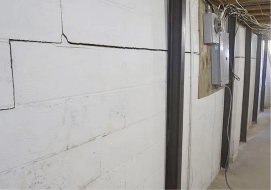
- Basement foundations: $4,000 to $15,000. Repairs most often involve waterproofing, wall stabilization, or addressing bowing walls caused by hydrostatic pressure from saturated clay soil. In Chicago’s older neighborhoods, limestone block and brick foundations may require more extensive reinforcement.
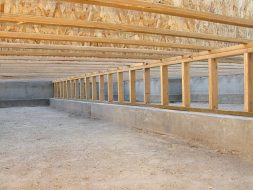
- Crawl space foundations: $3,500 to $10,000. Repairs may include pier installation, moisture barriers, encapsulation, or reinforcing support beams — especially in southern Illinois, where crawl spaces are more prevalent and moisture exposure is a year-round concern.
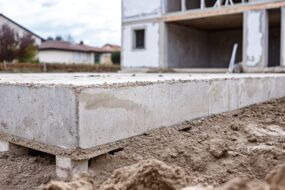
- Slab foundations: $2,500 to $8,000. Repairs typically involve crack sealing, slab jacking, or addressing settling from soil washout or clay movement. Freeze-thaw cycles can worsen slab problems quickly in northern Illinois.
- Pier and beam foundations: $3,000 to $9,500. Repairs may involve replacing or reinforcing piers and correcting uneven floors, most commonly in older rural homes.
Cost by Illinois home size
- Small (under 1,500 square feet): $3,000 to $7,000
- Medium (1,500 to 2,500 square feet): $4,000 to $12,000
- Large (2,500+ square feet): $8,000 to $22,000+
Cost by repair type
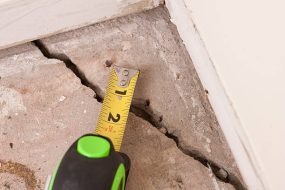
- Crack repairs: $500 to $2,500
- Slab jacking (mudjacking): $500 to $1,500
- Piering / underpinning: $5,000 to $20,000+
- Sealing and waterproofing: $1,200 to $6,000
Factors That Affect Foundation Repair Cost in Illinois
A few Illinois-specific factors drive up complexity and cost:
- Expansive clay soils: Clay-dominant soils cover most of Illinois and are especially prevalent in the Chicago metro. They swell when wet and contract when dry, exerting cyclical pressure on foundation walls every season. Learn to distinguish foundation problems from normal settling.
- Freeze-thaw cycles and frost heave: Central and northern Illinois see hard freeze-thaw cycles each winter, pushing footings out of alignment, widening cracks, and forcing water deeper into the structure.
- Older housing stock: Chicago and its suburbs have large numbers of bungalows, two-flats, and greystones built between the 1890s and 1950s — many with limestone block or brick foundations not built for modern soil-pressure tolerances. See our guide to early warning signs of foundation stress.
- Drainage and water management: Poorly graded yards, buried downspouts, and the “clay bowl effect” are among the most common root causes of Illinois foundation damage. Understanding your drainage options is often as important as the structural repair itself.
- Labor costs and permitting: Chicago-area rates run 15%–20% above mid-state; structural permits require engineering stamps. Mid-state and southern Illinois markets are more affordable.
Cost of Not Repairing Your Foundation
Illinois’s wet springs and freeze-thaw winters are unforgiving to a compromised foundation. A crack that admits moisture in March can widen significantly after several freeze-thaw cycles push water into the opening and expand it from the inside — turning a manageable crack repair into a wall stabilization project.
Bowing basement walls that go unaddressed in clay-heavy soil continue moving under pressure. The window between a carbon fiber strap repair and full wall replacement can close within two to three seasons of inaction.
Deferred repairs in Illinois can easily escalate to $25,000 or more, and water damage to framing, flooring, and finished basement spaces adds further cost on top of the structural work. For Chicago’s older limestone block and brick foundations, deferred maintenance can mean the difference between a $6,000 stabilization and a $20,000+ wall reconstruction.
ROI of Foundation Repair in Illinois
Foundation repairs in Illinois typically return an estimated 60% to 75% of their cost in preserved home value. Under the Illinois Residential Real Property Disclosure Act (765 ILCS 77/), sellers are required to disclose known foundation defects — including cracks, settling, and bowing walls — on a state-mandated form before a purchase contract is signed. Sellers who fail to disclose known issues face liability for the buyer’s repair costs, legal fees, and in some cases, reversal of the sale. Homes with documented foundation repairs and active waterproofing pass inspection with fewer concessions and sell more reliably than homes with unresolved structural questions.
How to Save on Foundation Repair Costs in Illinois
- Act before the wet season: Illinois’s wet springs are the hardest time to schedule work — contractors are busy and saturated soil complicates access. Late summer or fall gives you better conditions. A good foundation maintenance routine can help you catch issues while they’re still minor.
- Address drainage first: Grading, drainage improvements, and downspout extensions cost far less than structural repairs — and in Illinois clay soil, poor drainage is often the root cause.
- Get multiple quotes: Two to three itemized estimates help ensure the repair method fits your conditions. Our guide to choosing a foundation contractor covers what to look for.
- Address issues early: Minor crack repairs cost hundreds to low thousands. Watch for early warning signs — after another Illinois winter, those same cracks typically cost significantly more, especially where clay movement widens them.
- Ask about financing options: Many Illinois foundation contractors offer payment plans; home improvement loans and HELOCs are widely available for structural repairs.
Next Steps
If you’ve noticed cracks in your basement walls, water seeping in after rain or snowmelt, bowing walls, or uneven floors, a professional foundation inspection is the right first step. In Illinois’s climate — with its clay-dominant soils, wet springs, and freeze-thaw winters — early intervention consistently results in simpler and less expensive repairs. Modernize can connect you with trusted Illinois foundation repair professionals so you can compare quotes and move forward with confidence.
Connect with trusted Illinois foundation repair professionals.