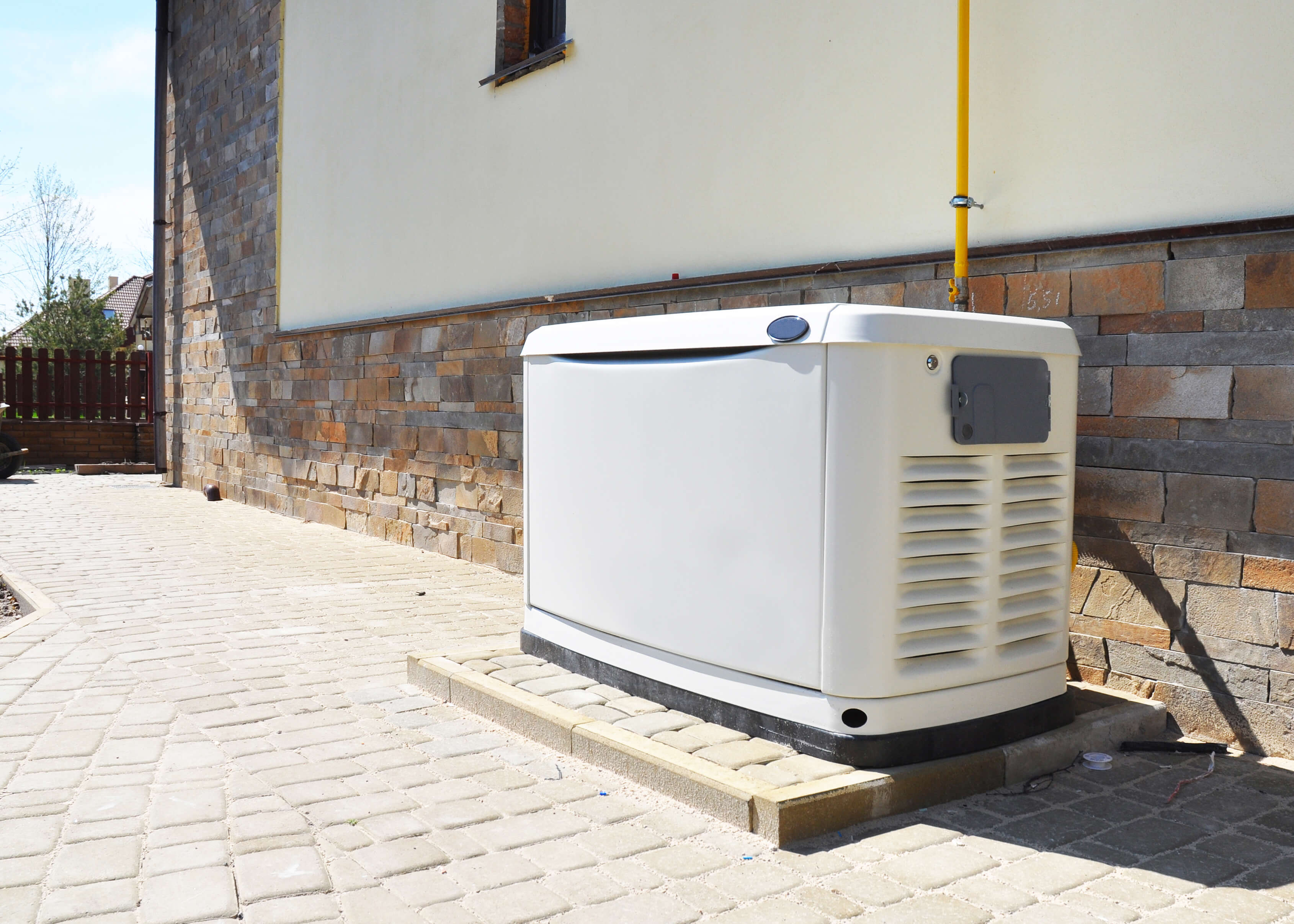
When power outages strike, a reliable generator keeps your home safe, comfortable, and connected. From permanently installed standby systems to portable generators and solar power stations, the right option depends on your home size, power requirements, and preferred fuel source.
The best generator brands of 2026 stand out for durability, ease of use, and evolving technology. Homeowners are prioritizing quieter operation, improved fuel efficiency, and smart monitoring features that allow remote control and real-time performance tracking.
Most homeowners spend $8,000 to $22,000+ for a fully installed whole-home standby generator (including installation and transfer switch), while portable and inverter generators typically range from $500 to $3,500+, depending on wattage and features. Solar generators (battery power stations) can range higher for whole-home backup setups.
Wi-Fi and app-based monitoring have become baseline features for standby systems, especially from Generac, Kohler, and Cummins.
Growth in Battery Backup Systems
Brands like EcoFlow and Bluetti continue gaining popularity as homeowners look for quieter, fuel-free alternatives, though they still don’t fully replace traditional standby generators for whole-home needs.
Improved Dual-Fuel Adoption
More portable generators now offer dual- or tri-fuel capability, giving homeowners greater flexibility during fuel shortages.
Higher Installation Costs
Standby generator installation costs have increased slightly due to labor and electrical upgrade requirements, pushing many full-home systems above the $10,000 mark.
Focus on Noise Reduction and Efficiency
Manufacturers are continuing to refine inverter and engine designs to reduce noise and improve runtime, especially in portable models.
Best Generator Brands at a Glance
4.9/5
Modernize RatingThis rating was determined by the Modernize Editorial Team based on factors such as customer reviews, product quality, warranties, company reputation, and service coverage. Our ratings are editorially independent and are not influenced by our advertising or partnership relationships.
Modernize RatingThis rating was determined by the Modernize Editorial Team based on factors such as customer reviews, product quality, warranties, company reputation, and service coverage. Our ratings are editorially independent and are not influenced by our advertising or partnership relationships.
Modernize RatingThis rating was determined by the Modernize Editorial Team based on factors such as customer reviews, product quality, warranties, company reputation, and service coverage. Our ratings are editorially independent and are not influenced by our advertising or partnership relationships.
Modernize RatingThis rating was determined by the Modernize Editorial Team based on factors such as customer reviews, product quality, warranties, company reputation, and service coverage. Our ratings are editorially independent and are not influenced by our advertising or partnership relationships.
To rank the Best Generator Brands of 2026, Modernize used a weighted scoring model focused on performance, reliability, and long-term value. Reliability and performance (25%) evaluated durability and consistent power delivery. Product range and versatility (20%) considered standby, portable, inverter, and solar options. Power quality and efficiency (15%) assessed runtime, clean output, and fuel use. Installation and ease of use (15%) reviewed setup and automation features. Pricing and total cost (15%) evaluated upfront and long-term expenses. Customer experience and warranty coverage (10%) considered support and service reliability.
Each brand was scored using the same criteria to ensure fair comparisons across categories. Additional weight was given to emerging features like smart monitoring, dual-fuel capability, and battery storage integration, helping homeowners choose a generator that fits their specific backup power needs.
Best For: Whole-home standby power and smart monitoring
Generac
4.9/5
Modernize RatingThis rating was determined by the Modernize Editorial Team based on factors such as customer reviews, product quality, warranties, company reputation, and service coverage. Our ratings are editorially independent and are not influenced by our advertising or partnership relationships.
Standby installed $8,500 to $20,000+; portable $500 to $2,200
Products Offered
Standby, Portable, Inverter
Fuel Types
Natural Gas, Propane, Gasoline, Dual-Fuel
Generac remains the most widely installed home standby generator brand in the U.S., known for its strong dealer network and user-friendly smart features. Its systems offer automatic power restoration, load management, and mobile app monitoring, making it a top choice for homeowners who want reliable, hands-off backup power.
We rate it 4.9 stars for proven dependability, technology integration, and overall value.
What We Love
Wide product range for any home
Smart Wi-Fi and app controls
Large national dealer network
Watch Out For
Premium pricing for standby models
Can be noisy under full load
Requires professional installation
Standby Generators Installed: $8,500 to $20,000+
Portable Models: $500 to $2,200
Transfer Switches and Setup: $1,000 to $3,000
Regional labor and permit costs may increase installation totals. Generac provides financing and extended maintenance plans for long-term coverage.
The Generac Guardian 24kW Home Standby Generator is one of the most widely installed residential standby systems, offering enough power to run an entire home during extended outages. It stands out for its built-in Wi-Fi monitoring, automatic transfer switch compatibility, and strong dealer support network, making it a reliable and user-friendly long-term solution.
Best For: Premium whole-home standby systems
Kohler
4.8/5
Modernize RatingThis rating was determined by the Modernize Editorial Team based on factors such as customer reviews, product quality, warranties, company reputation, and service coverage. Our ratings are editorially independent and are not influenced by our advertising or partnership relationships.
Kohler generators are known for premium build quality and excellent reliability in extreme conditions. They feature fast response times and quieter operation than many competitors, making them a strong choice for homeowners prioritizing performance and durability.
We rate it 4.8 stars for durability, design quality, and exceptional customer support.
What We Love
Heavy-duty weather-resistant design
Fast, automatic power transfer
Excellent service and warranty
Watch Out For
Higher upfront cost
Limited portable options
Installation must be dealer-managed
Installed Standby Units: $9,000 to $20,000+
Permitting and Fuel Setup: $1,000 to $3,000
Annual Service Packages: $300 to $600
Kohler units carry a standard 5-year warranty, with optional extended coverage and maintenance plans through certified dealers.
The Kohler 20RESCL 20kW Standby Generator delivers premium whole-home backup with fast response times and durable, corrosion-resistant construction. It is especially well-suited for homeowners who prioritize quiet operation and long-term reliability, with consistent performance in extreme weather conditions.
Best For: Ultra-quiet, long-lasting inverter power
Honda
4.8/5
Modernize RatingThis rating was determined by the Modernize Editorial Team based on factors such as customer reviews, product quality, warranties, company reputation, and service coverage. Our ratings are editorially independent and are not influenced by our advertising or partnership relationships.
Honda is the gold standard for portable generators, delivering unmatched reliability, long lifespan, and ultra-quiet performance. Its inverter generators produce clean power ideal for sensitive electronics and essential home devices.
We rate it 4.8 stars for durability, quiet performance, and best-in-class engineering.
What We Love
Industry-leading quiet operation
Low fuel consumption
Outstanding long-term reliability
Watch Out For
Higher initial price
Limited wattage range for large loads
Few dual-fuel options
Compact Units: $900 to $1,400
Mid-Range Inverters: $1,600 to $2,600
Maintenance Accessories: $100 to $300 per year
While priced at a premium, Honda units last 10 to 20 years with proper care. They also hold resale value and have nationwide service coverage.
The Honda EU2200i Portable Inverter Generator is widely regarded as the benchmark for quiet, portable power, delivering clean energy safe for sensitive electronics. Its exceptional fuel efficiency, low noise output, and long lifespan make it a dependable choice for homeowners who need reliable backup for essential appliances.
Best For: Quiet, utility-grade performance
Cummins
4.7/5
Modernize RatingThis rating was determined by the Modernize Editorial Team based on factors such as customer reviews, product quality, warranties, company reputation, and service coverage. Our ratings are editorially independent and are not influenced by our advertising or partnership relationships.
Cummins brings commercial-grade engineering into residential backup power with the QuietConnect™series. Its low noise levels, strong load handling, and long engine life, making them ideal for larger homes or demanding conditions.
We rate it 4.7 stars for engineering quality, noise control, and performance.
What We Love
Exceptionally quiet operation
Commercial-grade engineering
Strong U.S. service network
Watch Out For
Higher initial investment
Limited consumer models
Diesel refueling may be restrictive
Installed Standby Units: $9,000 to $21,000
Diesel Systems: $12,000 to $25,000+
Annual Maintenance: $300 to $600
Cummins units deliver commercial-level reliability with low vibration and long-term fuel efficiency. Diesel models require more frequent servicing but offer unmatched longevity.
The Cummins QuietConnect RS20AC 20kW Generator provides utility-grade performance with one of the quietest operation levels in the standby category. It is designed for long-term durability and consistent power delivery, making it a strong option for larger homes or homeowners seeking commercial-level reliability.
Best For: Quiet, efficient, and compact generators
Yamaha
4.6/5
Modernize RatingThis rating was determined by the Modernize Editorial Team based on factors such as customer reviews, product quality, warranties, company reputation, and service coverage. Our ratings are editorially independent and are not influenced by our advertising or partnership relationships.
Yamaha generators are known for exceptional fuel efficiency and quiet operation, making them a strong competitor to Honda. Their inverter technology delivers stable, clean power while maintaining low noise levels — ideal for residential neighborhoods and overnight use. Yamaha units are especially appealing for homeowners who prioritize efficiency, portability, and reliability in smaller backup scenarios.
We rate it 4.6 stars for reliability, fuel efficiency, and quiet operation.
What We Love
Lightweight and portable
Fuel-efficient for long runtimes
Low emissions and noise
Watch Out For
Limited dual-fuel options
Smaller wattage capacities
Higher price than some rivals
Compact Inverters: $850 to $1,200
Larger Units: $1,400 to $2,200
Maintenance Costs: $100 to $200 annually
Yamaha generators require little upkeep, and their low emissions make them eco-friendly. They’re perfect for homeowners prioritizing quiet, efficient operation.
The Yamaha EF2200iS Inverter Generator delivers quiet, fuel-efficient performance in a compact and portable design. It is ideal for homeowners who want dependable backup power for smaller loads, with consistent runtime and low noise levels suitable for residential environments.
Best For: Affordable standby power and versatility
Briggs & Stratton
4.5/5
Modernize RatingThis rating was determined by the Modernize Editorial Team based on factors such as customer reviews, product quality, warranties, company reputation, and service coverage. Our ratings are editorially independent and are not influenced by our advertising or partnership relationships.
Standby installed $8,000 to $18,000; portable $500 to $1,500
Products Offered
Standby, Portable, Inverter
Fuel Types
Gasoline, Propane, Natural Gas
Briggs & Stratton pairs solid performance with affordability, offering standby and portable solutions backed by a century of engine innovation. Homeowners benefit from broad power options and user-friendly controls that ensure reliable backup during extended outages.
We rate it 4.5 stars for dependability, accessibility, and practical value.
What We Love
Solid value for large homes
Load management technology
Good nationwide service coverage
Watch Out For
Smart apps less intuitive
Not as quiet as premium brands
Design lacks aesthetic refinements
Standby Systems Installed: $8,000 to $18,000
Portable Models: $500 to $1,500
Annual Service Plans: $150 to $300
Prices depend on size and power configuration. Its Symphony® II load management ensures efficient energy distribution during power shortages.
The Briggs & Stratton 26kW Standby Generator with Symphony II Power Management is designed to maximize efficiency by balancing electrical loads during outages. It offers strong whole-home coverage at a more accessible price point, making it a practical option for homeowners who want reliable standby power without a premium cost.
Best For: Dual-fuel flexibility and value
Champion Power Equipment
4.4/5
Modernize RatingThis rating was determined by the Modernize Editorial Team based on factors such as customer reviews, product quality, warranties, company reputation, and service coverage. Our ratings are editorially independent and are not influenced by our advertising or partnership relationships.
Portable/inverter $450 to $1,400; home standby $7,500 to $14,000 (unit only)
Products Offered
Portable, Inverter, Standby (select models)
Fuel Types
Gasoline, Propane, Dual-Fuel
Champion has carved out a strong reputation for delivering feature-rich generators at accessible price points, especially in the dual-fuel category. Its models are designed for real-world emergency use, with practical features like CO Shield® shutoff, electric start, and cold-weather reliability.
We rate it 4.4 stars for affordability, innovation, and fuel efficiency.
What We Love
Excellent price-to-performance ratio
Dual-fuel versatility
Dual-fuel versatility
Watch Out For
Heavier than premium brands
Higher noise under load
Limited app connectivity
Portable Generators: $450 to $1,400
Inverter Generators: $600 to $1,500
Home Standby Systems: $7,500 to $14,000
Transfer Switch Installation: $900 to $2,000
Champion’s generators require minimal maintenance and are easy to fuel-switch during prolonged outages, offering long-term savings.
The Champion 4500-Watt Dual Fuel Inverter Generator offers a versatile and affordable backup solution with the ability to run on either gasoline or propane. It stands out for its quiet inverter operation, built-in safety features like CO shutoff, and dependable performance during extended outages or emergency use.
Best For: Reliable, feature-rich portable generators
Westinghouse
4.3/5
Modernize RatingThis rating was determined by the Modernize Editorial Team based on factors such as customer reviews, product quality, warranties, company reputation, and service coverage. Our ratings are editorially independent and are not influenced by our advertising or partnership relationships.
Westinghouse blends modern features with affordability, offering portable generators that include remote start, digital displays, and low THD output for electronics. The brand is especially strong in the dual-fuel inverter category, giving homeowners flexibility without sacrificing performance. Its generators are well-suited for backup power, RV use, and everyday reliability, with a strong balance of output and ease of use.
We rate it 4.3 stars for affordability, performance, and clean power delivery.
What We Love
Strong safety features including CO-sense
Clean, low-THD output for electronics
Great value for price and features
Watch Out For
Limited availability for parts in some areas
Fewer commercial-grade options
Slightly higher fuel use under heavy load
Inverter Models: $400 to $1,000
Dual-Fuel Options: $600 to $1,300
Optional Transfer Kits: $300 to $700
Installation costs are minimal for portable models, though adding a transfer switch can significantly improve safety and convenience for home use.
The Westinghouse iGen4500DF Dual Fuel Inverter Generator combines clean power output with modern convenience features like remote start and dual-fuel capability. It is a strong choice for homeowners looking for a reliable, mid-range portable generator that can safely power electronics and essential appliances.
Best For: Smart, fast-charging solar power systems
EcoFlow
4.3/5
Modernize RatingThis rating was determined by the Modernize Editorial Team based on factors such as customer reviews, product quality, warranties, company reputation, and service coverage. Our ratings are editorially independent and are not influenced by our advertising or partnership relationships.
EcoFlow is redefining backup power with high-capacity battery systems, rapid charging technology, and smart home integration. Its ecosystem includes expandable batteries, solar panels, and smart panels that can power essential circuits automatically. Unlike traditional generators, EcoFlow systems are silent, emission-free, and low maintenance, making them ideal for indoor-safe use and eco-conscious homeowners.
We rate it 4.3 stars for innovation, sustainability, and modern design.
What We Love
Fast recharge times
Expandable battery options
App-based monitoring
Watch Out For
High upfront cost
Limited total wattage capacity
Dependence on sunlight for recharging
Generators: $800 to $2,500
Solar Panel Bundles: $1,500 to $3,500+
Whole-Home Systems: $3,000 to $10,000+ (with expansions)
Expansion Batteries: $1,000 to $2,000
Prices vary by capacity and home integration level. EcoFlow units can pair with your main panel for automatic circuit backup.
The EcoFlow DELTA Pro Power Station is a high-capacity solar generator designed for scalable home backup and fast recharging. It stands out for its modular expansion capabilities, smart home integration, and ability to support essential circuits, making it one of the most advanced battery systems available.
Best For: High-power dual-fuel portables
DuroMax
4.2/5
Modernize RatingThis rating was determined by the Modernize Editorial Team based on factors such as customer reviews, product quality, warranties, company reputation, and service coverage. Our ratings are editorially independent and are not influenced by our advertising or partnership relationships.
DuroMax specializes in high-wattage portable generators designed to power large appliances and partial home systems. Its dual-fuel models provide flexibility and strong surge output, making them well-suited for emergency backup situations. These generators are built for power first, offering rugged performance at a competitive price.
We rate it 4.2 stars for power, versatility, and value-driven design.
What We Love
Impressive wattage output
Dual-fuel flexibility
Durable build for long-term use
Watch Out For
Louder than inverter competitors
Heavier units
Service availability varies by region
Portable Units: $450 to $1,500
Dual-Fuel Models: $700 to $1,200
Transfer Switch Installation: $800 to $1,800
Fuel flexibility helps reduce long-term costs, while high surge power supports larger loads like HVAC systems or sump pumps.
The DuroMax XP13000HX Dual Fuel Generator delivers high-output power capable of running large appliances and partial home systems during outages. Its dual-fuel capability and strong surge wattage make it a dependable choice for homeowners who need maximum power from a portable unit.
Best For: Lightweight solar backup solutions
Jackery
4.2/5
Modernize RatingThis rating was determined by the Modernize Editorial Team based on factors such as customer reviews, product quality, warranties, company reputation, and service coverage. Our ratings are editorially independent and are not influenced by our advertising or partnership relationships.
Jackery focuses on simple, plug-and-play solar power, making it one of the most user-friendly brands in the category. Its lightweight designs and bundled kits make setup easy, even for first-time users. These systems are ideal for short outages, apartments, and mobile use, offering quiet, maintenance-free backup power.
We rate it 4.2 stars for convenience, accessibility, and everyday practicality.
What We Love
Compact and easy to transport
Quiet and emission-free
Affordable entry-level solar systems
Watch Out For
Limited storage for high-power appliances
Slower recharge than premium brands
Not intended for full-home use
Solar Power Generators: $600 to $2,000
Solar Panel Kits: $800 to $2,500
Battery Expansions: $400 to $1,000
Jackery’s kits include everything needed for plug-and-play power. Perfect for apartments, condos, and smaller homes.
The Jackery Explorer 2000 Pro provides a simple, portable solar backup solution designed for essential devices and small appliances. It is particularly well-suited for users who want a lightweight, easy-to-use system with quiet operation and minimal setup requirements.
Best For: Large-capacity, long-life solar storage
Bluetti
4.1/5
Modernize RatingThis rating was determined by the Modernize Editorial Team based on factors such as customer reviews, product quality, warranties, company reputation, and service coverage. Our ratings are editorially independent and are not influenced by our advertising or partnership relationships.
Bluetti stands out for high-capacity, modular battery systems designed for longer outages and off-grid use. Its LiFePO₄ batteries offer significantly longer lifespan compared to traditional lithium-ion options. The brand is ideal for homeowners who want scalable energy storage with strong output and long-term durability.
We rate it 4.1 stars for battery life, versatility, and scalability.
What We Love
High capacity and modular expandability
Long-lasting LiFePO₄ batteries
Powerful inverter outputs
Watch Out For
Heavy for transport
Longer charge time at full capacity
More complex setup for new users
Power Stations: $700 to $2,500
Modular Systems: $1,500 to $5,000+
Full Backup Systems: $3,000 to $10,000+
While heavier and more expensive upfront, Bluetti units can sustain full-home essentials longer than most portable power stations.
The Bluetti AC300 paired with B300 expansion batteries offers a modular, high-capacity energy storage system designed for extended outages and off-grid use. Its long-lasting LiFePO₄ battery technology and scalable design make it a strong option for homeowners seeking a more robust solar backup solution.
Generator Installers to Consider
In addition to the top brands listed above, homeowners often ask who we recommend for expert installation and dependable servicing.
Whole-home standby systems need pro sizing, electrical work, gas plumbing, permits, and ongoing service. Start with reputable installers who specialize in residential backup power.
Authorized Generac, Kohler, and Cummins dealer networks: Local site surveys and turnkey installs
Licensed electricians with transfer-switch experience: Essential-circuits integration and code compliance
Pro tip: Ask about load calculations, transfer switch type (manual vs. automatic), fuel line sizing, setback rules, remote monitoring, and annual service plans before you sign.
Whole-Home Generator Brand Comparison
Whole-home generators are permanently installed systems that turn on automatically during an outage. They are best for homeowners who want seamless backup power for large appliances, HVAC systems, and essential circuits.
Brand
Best For
Fuel Type
Installed Cost Range
Top Strength
Main Drawback
Generac
Wide availability and smart monitoring
Natural gas, propane
$8,500 to $20,000+
Largest residential dealer network and easy-to-use monitoring features
Can be louder than some premium standby brands
Kohler
Premium durability and faster response times
Natural gas, propane
$9,500 to $20,000+
Quiet, durable construction with strong weather resistance
Higher upfront cost
Cummins
Quiet, utility-grade residential backup
Natural gas, propane, diesel
$9,000 to $21,000+
Commercial-grade engineering and strong load handling
Smaller residential product lineup
Briggs & Stratton
Value-focused standby power
Natural gas, propane
$8,000 to $18,000
Solid whole-home backup at a more accessible price point
Less polished smart features and design
Champion
Entry-level standby options
Natural gas, propane
$7,500 to $14,000 unit only
More affordable path into home standby power
Less established in standby than top-tier brands
Portable Generator Brand Comparison
Portable generators are better for partial-home backup, job sites, camping, and emergency use where flexibility matters more than automatic whole-home coverage. Some models prioritize quiet inverter performance, while others focus on high output or dual-fuel capability.
Brand
Best For
Fuel Type
Typical Cost Range
Top Strength
Main Drawback
Honda
Quiet inverter performance
Gasoline
$900 to $2,600
Best-in-class reliability, clean power, and low noise
Higher price and lower max output than some open-frame rivals
Yamaha
Fuel-efficient quiet backup
Gasoline
$850 to $2,200
Quiet operation and strong runtime efficiency
Fewer high-wattage options
Champion
Dual-fuel value
Gasoline, propane
$450 to $1,500
Strong feature set with dual-fuel flexibility at a lower price
Not as refined or quiet as premium inverter brands
Westinghouse
Feature-rich portable backup
Gasoline, propane
$400 to $1,300
Remote start, inverter options, and good value
Long-term parts availability can vary
DuroMax
High-output portable power
Gasoline, propane
$450 to $1,500
Excellent wattage for the price and strong surge power
Louder and heavier than inverter-style models
Generac
Portable backup from a trusted standby brand
Gasoline
$500 to $2,200
Broad product range and strong brand recognition
Portable models are less differentiated than its standby lineup
Briggs & Stratton
Budget-friendly portable backup
Gasoline
$500 to $1,500
Accessible pricing with dependable performance for essentials
Less advanced inverter and connectivity features
Solar Generator Brand Comparison
Solar generators and portable power stations are best for homeowners who want quieter, low-maintenance backup without fuel storage or engine maintenance. They work well for apartments, smaller homes, electronics, and essential appliances, but larger whole-home setups usually require added batteries and smart home integration.
Brand
Best For
Power Source
Typical Cost Range
Top Strength
Main Drawback
EcoFlow
Smart home battery backup
Battery, solar, wall charging
$800 to $10,000+
Fast charging, modular expansion, and home panel integration
Full-home backup gets expensive quickly
Bluetti
Long-duration expandable storage
Battery, solar, wall charging
$700 to $10,000+
High-capacity systems with long-life LiFePO4 batteries
Heavier systems with a more complex setup process
Jackery
Lightweight, user-friendly solar backup
Battery, solar, wall charging
$600 to $2,500
Simple setup and easy portability for essential devices
Less capacity for large appliances and long outages
EcoFlow + Smart Home Panel
Partial-home battery backup
Battery, solar, wall charging
$3,000 to $10,000+
Best option here for powering selected home circuits automatically
Requires a much larger investment than portable-only systems
Common Generator Dealbreakers
Even the best generator brand can be the wrong fit if the system does not match your home’s needs. These are some of the most common issues homeowners run into when comparing generators.
Choosing the Wrong Generator Type: Standby, portable, inverter, and solar generators all serve different purposes, so it is important to match the system to your backup goals.
Underestimating Wattage Needs: A generator that cannot support your essentials will fall short during an outage. Use this guide to size your generator correctly.
Overlooking Fuel Access: Natural gas, propane, gasoline, and battery systems all come with different tradeoffs. Compare generator fuel types before committing to a brand.
Ignoring Installation Costs: Whole-home standby systems often require permits, fuel connections, and electrical upgrades. Learn more about generator installation costs and requirements.
Forgetting Maintenance Needs: Standby generators need regular inspections and service to stay outage-ready. Review standby generator maintenance costs before buying.
The best generator brand depends on how much backup power you need, how automatic you want the system to be, and what type of fuel or charging setup makes the most sense for your home.
Start With Your Outage Priorities: If you want seamless backup for your whole home, focus on standby brands like Generac, Kohler, Cummins, and Briggs & Stratton. If you only need to run a few essentials, a portable or solar generator may make more sense.
Match the Brand to the Category It Does Best: Honda and Yamaha stand out for quiet inverter performance, Champion and DuroMax are stronger for dual-fuel portability, and EcoFlow, Jackery, and Bluetti are better for battery-powered backup.
Compare Total Cost, Not Just Sticker Price: Standby systems cost more upfront because of installation, while portable and solar options often cost less initially but may offer less coverage.
Choose the Right Fuel or Power Source: Review generator fuel types to decide whether natural gas, propane, gasoline, or battery backup is the best fit.
Buy For Your Actual Power Needs: A properly sized generator is more useful than simply choosing the biggest one available. Start with this guide to generator sizing.
Frequently Asked Questions About Generator Brands
Generac and Kohler are the most trusted for standby systems. Both offer automatic power transfer, remote monitoring, and comprehensive warranties for long-term use.
Honda and Yamaha lead in quiet operation, with inverter models averaging 48 to 57 decibels, quieter than normal conversation.
EcoFlow, Jackery, and Bluetti offer renewable, maintenance-free solar generator systems that provide clean power for sensitive electronics and small household appliances.
Kohler, Generac, and Cummins all provide 5- to 10-year limited warranties on their residential standby models, covering parts and labor.
Yes — brands like Champion, DuroMax, and Westinghouse offer flexibility between propane and gasoline, helping extend runtime and manage fuel shortages during storms.
Natural gas is the most convenient for homes with utility access, while propane offers longer shelf life and cleaner emissions.
Most require annual servicing or every 100 to 200 operating hours, including oil changes, spark plug replacements, and filter inspections.
High-capacity systems like Bluetti Apex300 or EcoFlow DELTA Pro can support essential circuits, but full-home solar power typically requires battery banks and a transfer setup.
Add up the wattage of your essential appliances, then choose a model with at least 20% to 25% extra capacity. For whole-home coverage, a licensed installer can perform a load calculation.
Standby generators are permanently installed and automatically power your home during an outage, making them the best option for whole-home backup. Portable generators are smaller, manually operated units designed to power select appliances, while inverter generators are a quieter, more efficient type of portable generator that produces clean power for electronics.
A portable generator can power essential appliances like a refrigerator, sump pump, and lights, but it typically cannot run an entire home at once. For full-home coverage and automatic operation, a standby generator is usually the better choice.
Standby generators are a significant upfront investment, but they provide automatic, reliable backup power that can protect your home during extended outages. They are especially worth it in areas with frequent power loss or for homeowners who rely on medical devices, sump pumps, or HVAC systems.
In addition to the purchase price, homeowners should consider installation, fuel, and ongoing maintenance costs. Standby generators typically require annual servicing and occasional repairs, while portable and solar generators have lower maintenance but may need fuel or battery upgrades over time.
Yes, most standby generators require professional installation by a licensed electrician to safely connect the system to your home’s electrical panel and fuel supply. Even portable generators should be paired with a transfer switch installed by a professional for safe operation.
The safest way to connect a portable generator is by using a transfer switch or interlock kit installed by a licensed electrician. This prevents dangerous backfeeding into utility lines and ensures power is distributed safely to selected circuits.
Run time depends on the generator type, fuel source, and load. Portable generators typically run 8 to 24 hours per tank, while standby generators can run for days as long as they have a steady fuel supply like natural gas or propane.
The appliances a generator can run depend on its size and capacity. Most homeowners prioritize essentials like refrigerators, sump pumps, lights, and HVAC systems, while larger standby generators can power nearly all home systems at once.