
Generators
Generac Generators: The Leader in Home Emergency Power
Average Cost: $6500 – $15000
Generac is a top name in home backup power, best known for automatic standby generators that can restore electricity within seconds of an outage. With a wide range of sizes, strong dealer availability, and useful monitoring features, Generac is a solid option for homeowners who want dependable backup power with minimal manual effort.

The Modernize Mission
Modernize maintains homeowner-first editorial integrity, meaning we accept no commissions and no partner links for this review. Our reviews are thoroughly fact-checked by our home improvement experts. Ratings are determined by a sophisticated algorithm to rate brands, including analyses of products, materials, quality, costs, sizes, durability, energy efficiency, and warranties.
Table of Contents
- Overview of Generac Generators
- Why We Like Generac Generators
- Pros and Cons of Generac Generators
- What Generac Generators Offers
- Top Generac Products and Features
- Customer Reviews and Ratings
- How Much Do Generac Generators Cost?
- How Generac Compares to Other Generator Brands
- What Sets Generac Apart
- Frequently Asked Questions About Generac Generators
- Final Verdict: Should You Choose Generac Generators?
- Modernize Review Hub
Overview of Generac Generators
Generac is one of the most recognized generator manufacturers in the United States, known for residential backup power systems designed to keep homes running during outages. Founded in 1959 and headquartered in Wisconsin, the company is best known for whole-home standby generators that turn on automatically when utility power fails.
Generac products are sold nationwide through authorized dealers and installers. In addition to standby generators, the brand also offers portable and inverter generators, plus accessories like automatic transfer switches and remote monitoring tools to help homeowners manage outages more confidently.
| Best For | Top Product | Cost (Installed) | Standout Feature | Warranty / Guarantee |
|---|---|---|---|---|
| Homeowners who want automatic whole-home backup power | Guardian Series standby generators | About $6,500 to $15,000+ (average total installed cost is often $8,000 to $13,000) | Automatic transfer switch and Mobile Link monitoring | Limited warranty (often around 5 years, varies by model) |
Why We Like Generac Generators
Generac stands out for its focus on convenience and automation. For homeowners who want backup power without manual setup, Generac standby systems are designed to detect outages automatically and restore power within seconds. That ease of use can be a major advantage during severe weather, overnight outages, or extended blackouts.
Generac also benefits from a large dealer network across the U.S. Because installation and service are handled locally through authorized providers, it’s often easier to find support for maintenance, repairs, and warranty questions than with smaller brands. Features like Mobile Link monitoring add another layer of peace of mind by letting homeowners check system status remotely.
Pros and Cons of Generac Generators
Like any generator brand, Generac has clear strengths, along with a few considerations that may matter depending on your home, budget, and outage needs.
Pros:
- Standby generator leader: Generac is widely known for residential standby systems built for automatic backup power.
- Automatic operation: Standby generators can restore power quickly without manual setup.
- Wide size range: Options are available for smaller homes and larger properties with heavier electrical loads.
- Nationwide dealer support: Many homeowners can find local installation and service providers.
- Remote monitoring: Mobile Link provides system updates and alerts from a phone or computer.
Cons:
- Higher upfront cost: Standby systems are a larger investment than portable generators.
- Professional installation required: Standby generators must be installed by a qualified professional for safety and code compliance.
- Ongoing ownership costs: Maintenance and fuel expenses should be part of the long-term budget.
- Dealer experience can vary: Because service is local, responsiveness and workmanship may differ by market.
What Generac Generators Offers
Generac offers several generator types, allowing homeowners to choose between whole-home protection and more limited backup power solutions.
Whole-Home Standby Generators
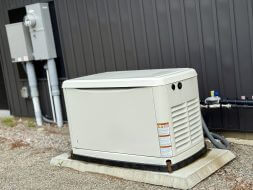
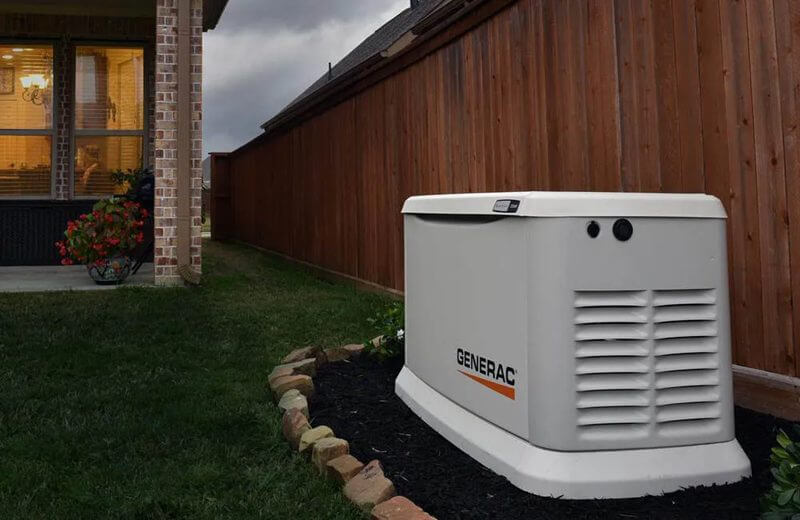
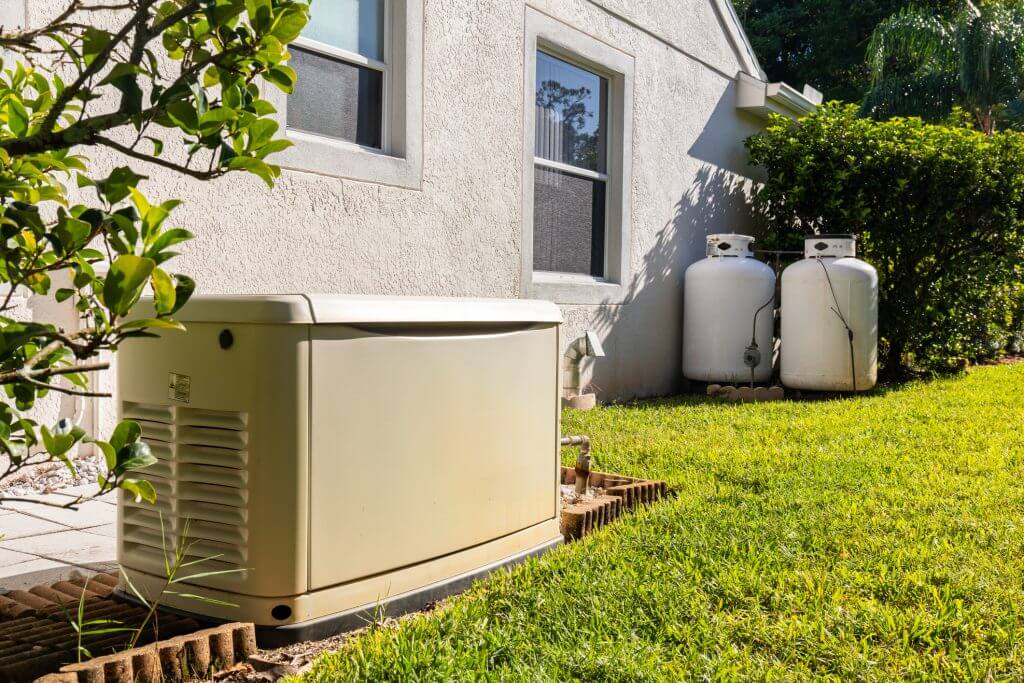
Generac standby generators are permanently installed outside the home and connected to the electrical system. These systems typically run on natural gas or propane and work with an automatic transfer switch to restore power during outages. Depending on the generator size and your home’s electrical load, a standby system may power essential circuits or most of the home.
Portable Generators
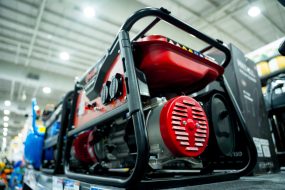
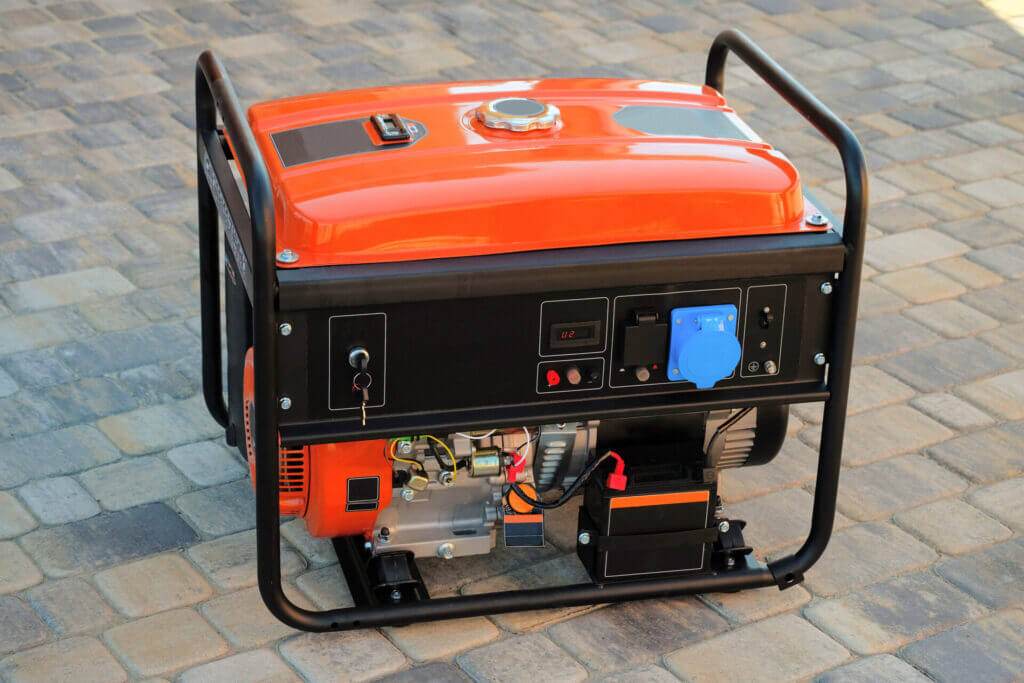
Portable generators are designed for temporary power and require manual setup. They are typically gasoline-powered, must be refueled as needed, and are a more budget-friendly option for homeowners who only need limited backup power for short outages.
Inverter Generators
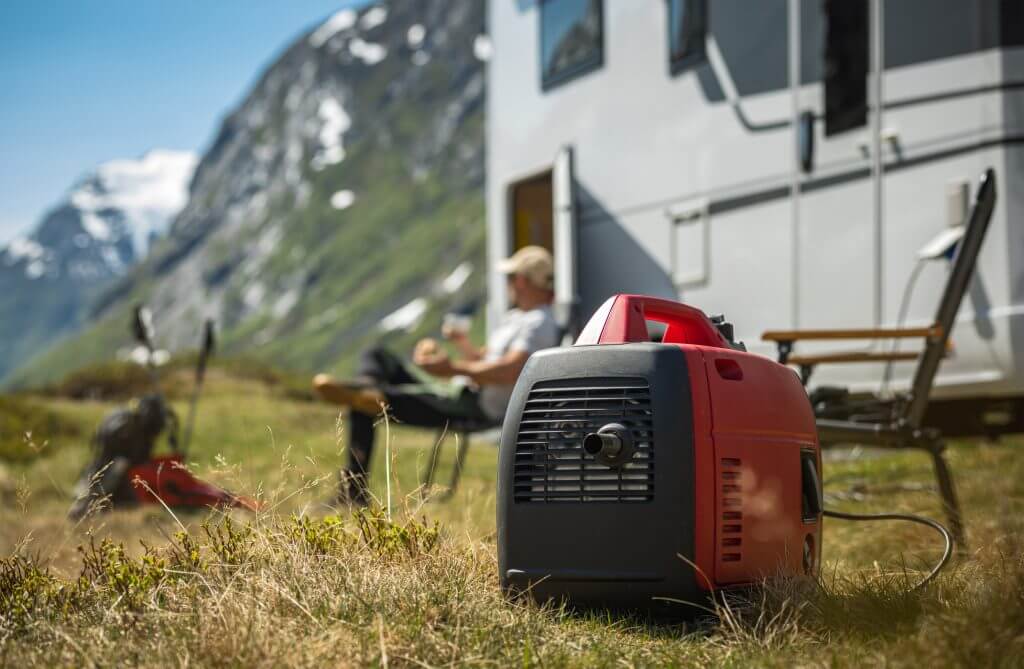
Inverter generators are generally quieter and more fuel-efficient than traditional portable generators. They also produce cleaner power that is better suited for sensitive electronics, though they usually provide less output than standby systems.
Top Generac Products and Features
Generac’s lineup includes several well-known product families and core features that matter most to homeowners: automation, monitoring, and fit-for-home sizing.
- Guardian Series Home Standby Generators: Generac’s flagship residential standby line, available in multiple sizes to match different home power needs.
- Automatic Transfer Switch (ATS): The switch that enables automatic standby operation by transferring your home from utility power to generator power during an outage.
- Mobile Link Remote Monitoring: A monitoring platform that provides generator status, maintenance alerts, and system updates from a phone or web dashboard.
- Load Management Options: Add-ons designed to help manage electrical demand so the generator can run more efficiently during outages.
Customer Reviews and Ratings
Customer reviews for Generac are often mixed, with many homeowners praising the peace of mind that comes with automatic backup power. Positive feedback commonly highlights reliable performance during outages and the convenience of standby systems.
Some homeowners also report frustrations related to installation timelines, maintenance needs, and service responsiveness. Because Generac relies on local authorized dealers for installation and support, experience can vary by region and installer.
I question the low scores for Generac. Our experiences have been exceptional, both with the generator and the generator support team that’s available 24-7. The system is a little techy for me and being able to call them and have a person be patient, knowledgeable and clear to understand to assist is well worth the peace of mind this purchase has provided. On a 1-5 scale, I give them 100! — Al, ConsumerAffairs
I love our generac generator. The warranty is great. When you buy one, just remember it cost you that much to put it in, and it has to be inspected. — Reddit Reviewer
Poor warranty response. My installer filed a warranty for a failed circuit board a month ago and still no response. We are in the middle of the hurricane season in REMOVED!!!Had I known their delay policy I would have gotten another product — Frank, BBB
How Much Do Generac Generators Cost?
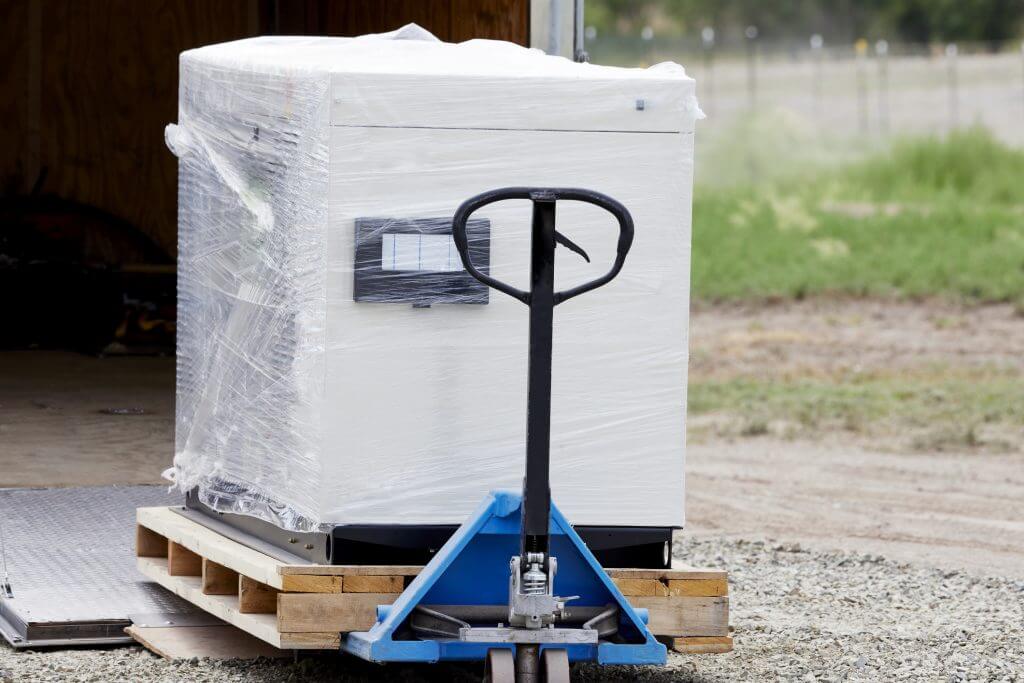
Most homeowners pay about $6,500 to $15,000+ installed for a Generac standby generator system, with an average total installed cost often around $8,000 to $13,000. Your final price depends on generator size, installation complexity, permit requirements, and whether your home needs electrical or fuel-line upgrades.
Cost by Generator Size and Home Size
This table provides a general sizing guide. Actual generator sizing should be based on a load calculation and the specific circuits and appliances you want to power. Our Home Generator Sizing Worksheet can help you determine your exact needs.
| Generator Size (kW) | Typical Home Size (sq ft) | Installed Cost Range |
|---|---|---|
| 9 to 10 kW | About 1,200 to 2,500 sq ft | $6,500 to $9,500 |
| 14 to 16 kW | About 2,000 to 3,200 sq ft | $7,500 to $11,000 |
| 18 to 22 kW | About 2,500 to 5,000+ sq ft | $8,000 to $13,000 |
| 24 to 30 kW | About 4,000+ sq ft | $10,000 to $18,000+ |
Cost by Region
Installed pricing can vary by location due to labor rates, permitting fees, fuel access, and local code requirements.
| Region | Typical Low | Typical Average | Typical High |
|---|---|---|---|
| Urban areas | $9,500 | $14,000 | $20,000+ |
| Suburban areas | $7,500 | $12,500 | $17,000 |
| Rural areas | $6,500 | $11,500 | $15,500 |
Financing Options
Many Generac dealers offer financing to help homeowners spread the cost of a standby generator system over time. Financing availability and terms vary by dealer and lender, but homeowners may see options like promotional interest rates, multi-year repayment terms, or third-party loan programs. Some homeowners also use home equity loans, HELOCs, or personal loans to finance installation.
How Generac Compares to Other Generator Brands
Comparing top generator brands can help homeowners evaluate total cost, dealer support, warranty coverage, and long-term reliability. Here’s how Generac stacks up against several popular competitors.
Kohler vs. Generac
Kohler is known for premium engineering and a strong reputation in standby power. In many markets, Kohler systems are positioned at a higher price point, and availability may depend on local dealer presence.
Strengths: Premium build quality and strong reliability reputation.
Drawbacks: Pricing may be higher, and dealer availability can be more limited in some areas.
Cummins vs. Generac
Cummins has deep roots in industrial power and offers residential standby generators built with heavy-duty components. These systems may appeal to homeowners looking for an industrial-grade option, though pricing can be higher depending on configuration.
Strengths: Durable engineering and a long-standing power-generation reputation.
Drawbacks: Residential installer networks can be smaller, and costs may be higher than comparable systems.
Briggs & Stratton vs. Generac
Briggs & Stratton is well known for small engines and offers portable and standby generators. Their standby lineup can be competitively priced, which may appeal to budget-focused homeowners who still want automatic backup power.
Strengths: Competitive pricing and long history in engine manufacturing.
Drawbacks: A smaller standby lineup and fewer advanced monitoring features in some configurations.
What Sets Generac Apart
Generac differentiates itself through its market leadership, wide dealer availability, and focus on automation. The combination of automatic operation, remote monitoring, and a broad product lineup makes Generac a popular choice for homeowners who want reliable backup power with minimal effort.
Frequently Asked Questions About Generac Generators
These are some of the most common questions homeowners ask when deciding whether a Generac generator is the right fit.
How long has Generac been in business?
Generac was founded in 1959 and has more than 60 years of experience building generators and power equipment. That long track record is one reason many homeowners consider the brand when researching standby systems.
Do Generac standby generators turn on automatically?
Yes. Whole-home standby generators are designed to detect a utility outage and start automatically. An automatic transfer switch then moves your home onto generator power, usually within seconds, without manual setup.
What warranty does Generac offer?
Warranty coverage varies by model and product line. Many residential standby generators include a limited warranty that is often around five years, but terms and requirements can differ, including registration rules and service guidelines. Always confirm the warranty details for the specific model you are considering.
How much does installation cost?
Installation is a major part of the total price and commonly includes the transfer switch, labor, permits, and any required electrical work. Costs vary widely, but many homeowners see installation-related costs in the thousands depending on site conditions, local permitting, and whether electrical upgrades or fuel-line work is needed.
How do I choose the right generator size?
Generator size depends on your electrical load and which circuits you want to power. A professional installer can perform a load calculation and help determine whether you need to cover essentials only (like HVAC, refrigeration, and sump pumps) or whether you want broader coverage. Home square footage is a helpful starting point, but appliances, HVAC size, and electric water heating can significantly change the required capacity.
What fuel types do Generac generators use?
Most Generac standby generators run on natural gas or propane, which allows for longer runtime during outages compared to gasoline units. Portable generators are typically gasoline-powered, though some models may support dual-fuel operation depending on configuration.
What maintenance is required?
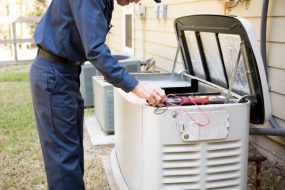
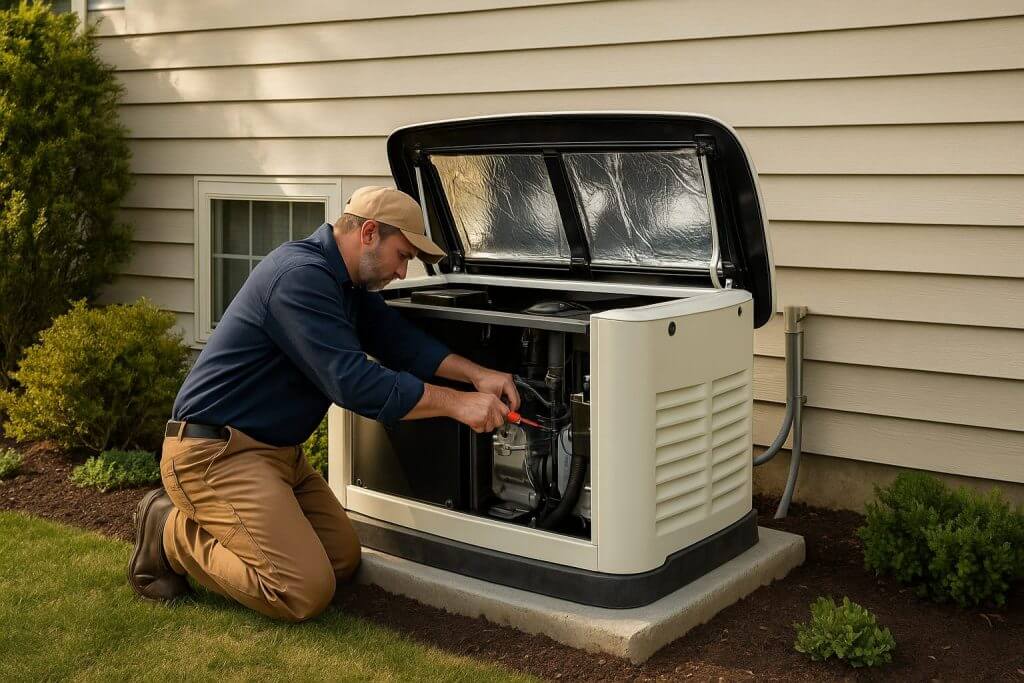
Standby generators generally need routine maintenance, such as oil and filter changes, inspections, and periodic testing. Many homeowners schedule annual service to help ensure the system starts reliably during an outage, especially before storm season.
Can I install a Generac standby generator myself?
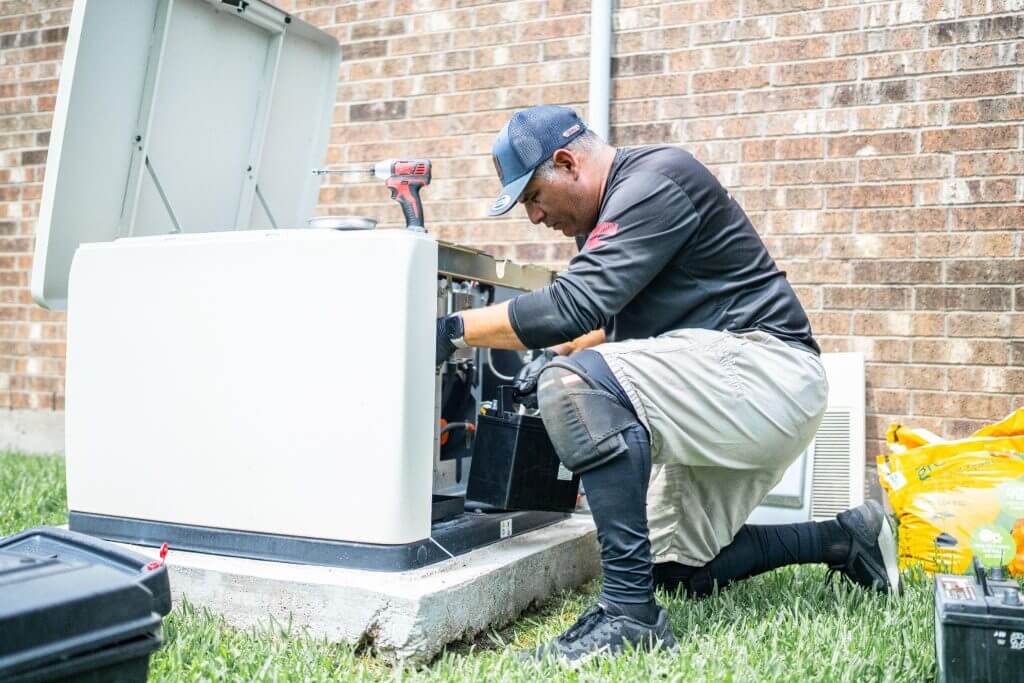
DIY installation is not recommended for standby systems and may affect warranty coverage. Standby generators require electrical and often fuel connections that must meet local building codes. Professional installation helps ensure safe operation and reliable performance.
Final Verdict: Should You Choose Generac Generators?
Generac is a strong option for homeowners who want dependable, automatic backup power and access to a broad dealer network for installation and service. Standby systems are a significant investment, but they can provide meaningful peace of mind in areas with frequent or extended outages.
If your needs are occasional or limited, a portable or inverter generator may be sufficient. For homeowners seeking more comprehensive protection, a properly sized Generac standby generator can be a practical long-term solution.
Modernize Review Hub
Looking for more brands to compare? Visit the Modernize Review Hub for detailed reviews of generator brands and other home improvement products, all designed to help homeowners make informed decisions.