Too cold in winter or sticky and uncomfortable in summer? Your thermostat may not be the problem. Indoor humidity (the amount of moisture in the air) can change how your home feels, how hard your HVAC system has to work, and whether you’re more likely to deal with issues like musty odors or dry skin.
In this guide, we’ll explain why humidity matters, what “ideal” looks like, and what to do if your home feels too dry or too damp.
Why Humidity Changes How Your Home Feels
Temperature is only part of comfort. Your body also relies on evaporation to regulate heat. When moisture on your skin evaporates, it carries heat away and helps you cool down. If indoor air is already saturated with moisture, evaporation slows and you can feel warmer and clammy. When the air is very dry, you may feel cooler and can experience irritation like dry skin or scratchy sinuses.
That’s why two homes set to the same thermostat temperature can feel completely different. Keeping humidity in a comfortable range helps your heating and cooling equipment maintain comfort without constantly overcorrecting.

What Is The Ideal Indoor Humidity?
Many households feel best when indoor humidity stays around 40% to 50%. As a general guideline:
- Below 30%: Air is very dry and may cause discomfort (dry skin, static, irritated nose and throat).
- 40% to 50%: A common “comfort zone” for many homes.
- Above 50% to 60%: Air can feel muggy and may contribute to condensation or musty smells.
If you want to measure your home’s humidity, use a hygrometer (often sold as a small digital temperature and humidity monitor). This gives you a baseline before you make changes.
Your Air Conditioner Also Removes Humidity
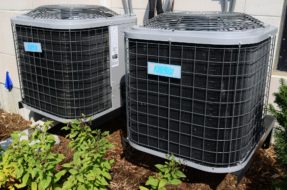
Your AC doesn’t only cool air, it also pulls moisture out. As warm indoor air passes over cold evaporator coils, water vapor condenses and drains away. That dehumidification is a big reason conditioned air feels more comfortable at higher thermostat settings.
If you want a deeper explanation of system basics, see How Central Air Conditioners Work.
Signs Your Home May Be Too Humid In Summer
- Rooms feel clammy even when the thermostat is low
- Musty odors, especially in basements or bathrooms
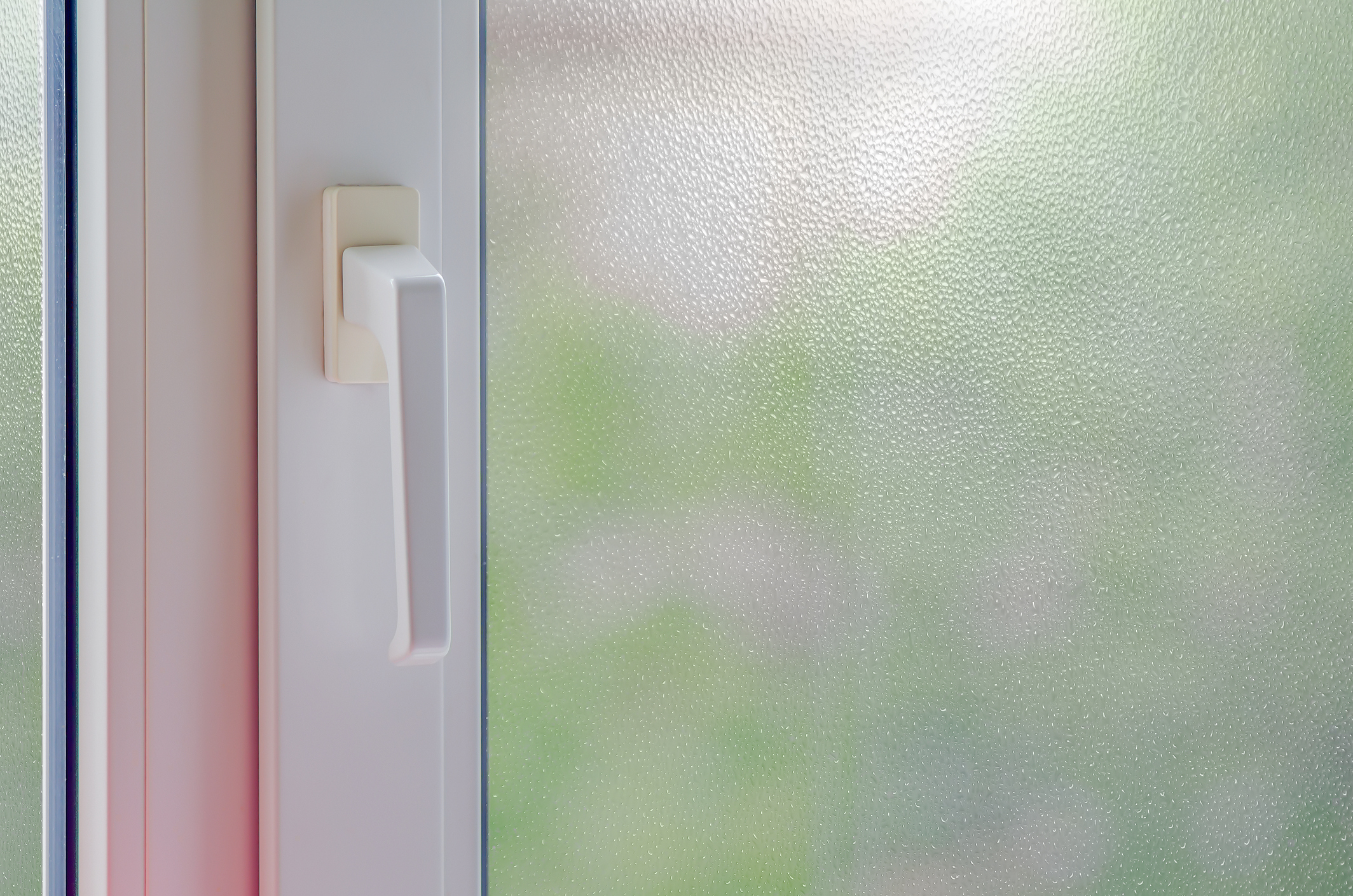
- Condensation on windows or vents
- Your AC seems to run constantly
High humidity can also magnify duct and airflow issues. If you suspect indoor air quality problems, review Air Duct Cleaning Costs and talk with a local HVAC pro about whether cleaning, sealing, or repairs make sense.
When Home Humidity Problems Point To An HVAC Issue
If your home stays humid despite consistent cooling, the issue may be equipment sizing or performance. Systems that are too large can cool quickly but run short cycles, which may reduce dehumidification. Older equipment can also struggle as components wear down.
If you’re planning an upgrade, our Central Air Conditioner Installation Cost Guide and HVAC Cost Calculator can help you set expectations before requesting quotes.
How Heating Systems Affect Indoor Moisture
Indoor air often feels driest during the winter. Heating warm air and cycling it through your home reduces relative humidity, and some heating setups can make dryness more noticeable. The result is a home that feels less comfortable even when the thermostat is set where you want it.
If you’re weighing heating options or replacement planning, these resources can help:
Signs Your Home May Be Too Dry In Winter
- Static electricity (especially on clothing or blankets)
- Dry or itchy skin
- Scratchy throat, irritated sinuses, or a dry cough
- Frequent nosebleeds
If your humidity is consistently low, homeowners often consider either a portable humidifier or a whole-home humidifier integrated with the HVAC system. A contractor can recommend an appropriately sized solution based on your home and equipment.
Other Factors That Impact Indoor Humidity
HVAC equipment is only part of the equation. Humidity can also be influenced by:
- Air Leaks around doors, windows, and penetrations
- Ventilation in kitchens, bathrooms, basements, and crawl spaces
- Insulation levels and overall building envelope tightness
- Duct Condition, including leaks and poorly sized runs
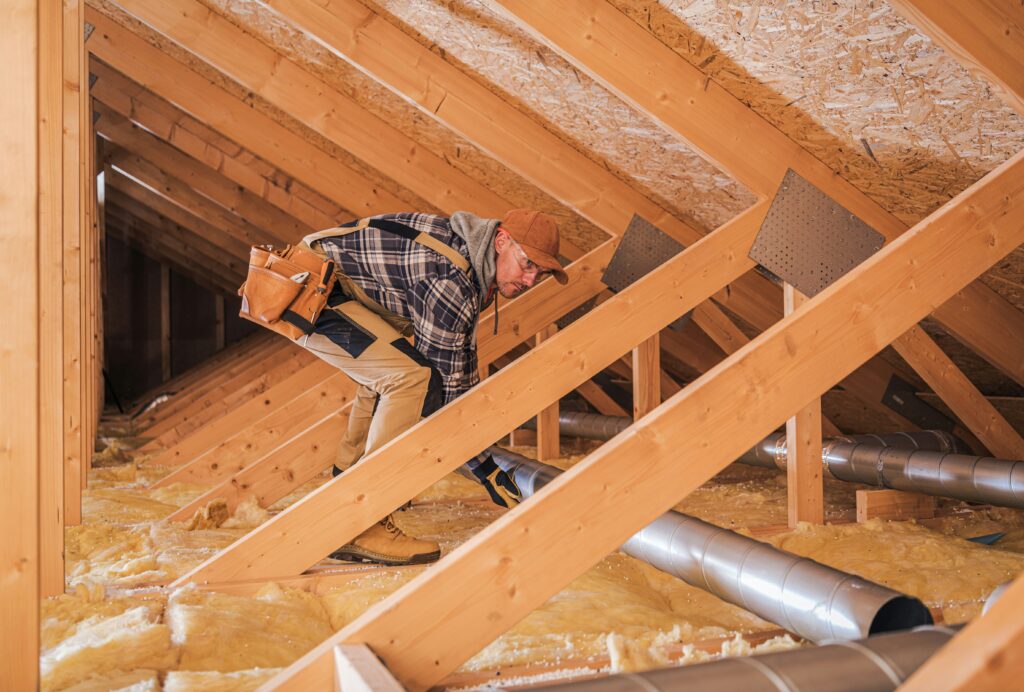
Attic conditions can be especially important for comfort and moisture management. If you’re troubleshooting seasonal swings, review our Attic Guide for common causes and improvement ideas.
Tips To Keep Home Humidity In The “Just Right” Range
Once you know whether your home skews dry or humid, these steps can help stabilize comfort:
- Measure First: Use a hygrometer and track humidity for at least a week during extreme weather.
- Keep Up With Maintenance: Replace HVAC filters on schedule and follow seasonal guidance in our HVAC Maintenance Tips.
- Improve Airflow: If airflow is inconsistent, review duct options like Air Duct Replacement or use a Ductwork Sizing Calculator as a starting point for questions to ask a pro.
- Use Ventilation Strategically: Run bath and kitchen fans during and after moisture-generating activities.
- Address Hot Spots: Basements and crawl spaces often need targeted dehumidification or air sealing.
When To Call A Pro
If comfort issues persist after basic maintenance and humidity checks, it may be time for a professional evaluation. A contractor can confirm whether your system is sized correctly and performing as it should, and whether additional solutions like a dedicated dehumidifier or whole-home humidifier are worth it.
If you’re comparing equipment options, our brand roundups can help you narrow the field, including Best Air Conditioner Brands, Best Furnace Brands, and Best Heat Pump Brands.
Bottom line: The most comfortable homes balance temperature and humidity. When moisture levels are in range, your home feels better, your system runs more efficiently, and you may spend less energy trying to “fix” comfort with the thermostat alone.
Find the Right Contractor for Your HVAC Project
Whether you’re ready to begin your project now or need some expert advice, our network of contractors are here to help. With a few simple questions, we’ll find the best local professionals for you