
HVAC
Trane Air Conditioner Review 2026: Performance, Efficiency, and Long-Term Value
Average Cost: $8500 – $12150
This in-depth review of Trane includes a hard look at its offerings and prices, customer experience, and how Trane compares to others on the market.
Our Verdict: Trane is a great option for those who want a durable, high-end air conditioner with an impressive warranty.

The Modernize Mission
Modernize maintains homeowner-first editorial integrity, meaning we accept no commissions and no partner links for this review. Our reviews are thoroughly fact-checked by our home improvement experts. Ratings are determined by a sophisticated algorithm to rate brands, including analyses of products, materials, quality, costs, sizes, durability, energy efficiency, and warranties.
Table of Contents
- Overview of Trane
- Why We Recommend Trane Air Conditioners
- Trane Air Conditioner Review: Pros and Cons
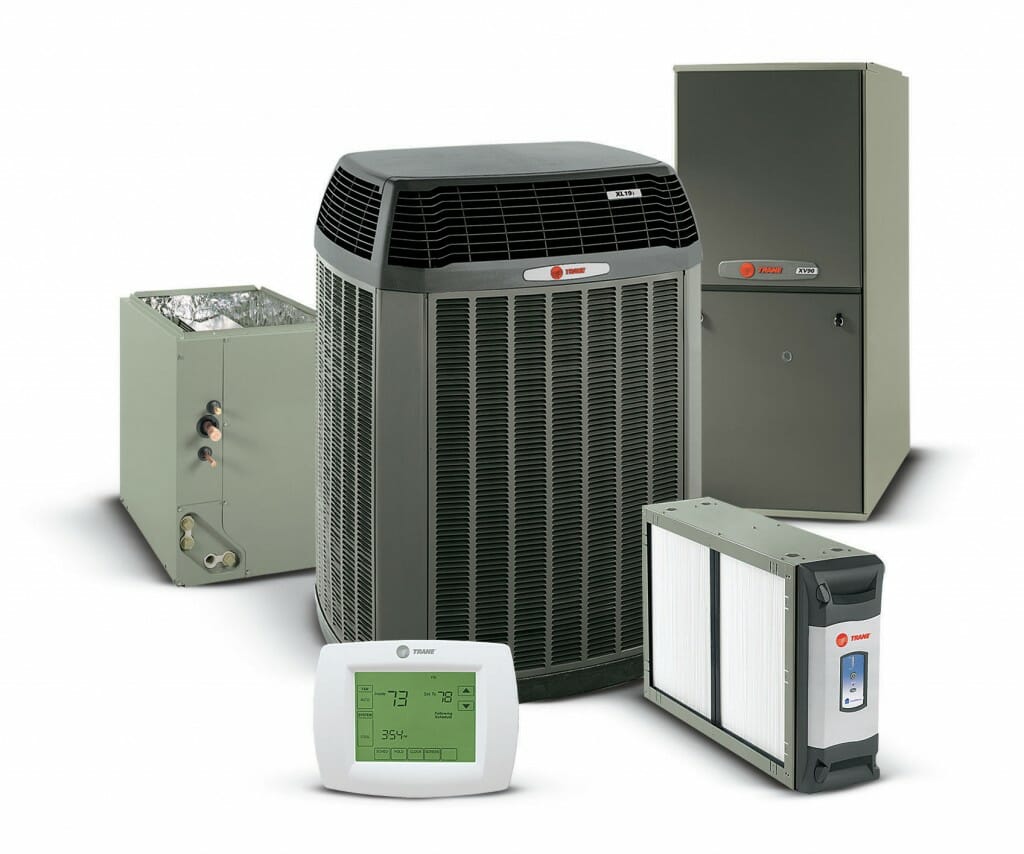
- Types of Trane Cooling Solutions
- Top Trane AC Products
- What Homeowners Say About Trane
- How Much Does a Trane Air Conditioner Cost?
- How Trane Compares to Other Brands
- Final Verdict: Should You Choose a Trane Air Conditioner?
- How We Rate HVAC Products and Brands
- Frequently asked questions about Trane AC units
Overview of Trane
Trane has been in business for over a century, and in our experience connecting homeowners with HVAC contractors across the country, it’s one of the most consistently recommended brands by the pros we work with. Trane offers heating, cooling, and humidity control — and their systems are available across most of the U.S., with models designed for specific regional climates.
This review covers Trane air conditioners specifically: the products, pricing, standout features, and how Trane stacks up against its main competitors. We’ll give you our honest take on who Trane is right for — and who might be better served by a different brand.
While this page focuses on Trane air conditioners, the brand also manufactures heat pumps and furnaces designed for year-round comfort. For a full picture of Trane’s HVAC offerings, explore our dedicated pages on those products for additional details, features, and cost information.
| Best For | Top Model | Cost Installed | Standout Feature | Warranty |
|---|---|---|---|---|
| Those who live in very warm climates | XR16 | $11,700 to $18,000 (depending upon features) | Sound insulator on the compressor | 10 years on parts |
Why We Recommend Trane Air Conditioners
We recommend Trane for homeowners who want a system that will still be running reliably 15 to 20 years from now — and who are willing to pay more upfront for that peace of mind. Trane’s build quality is genuinely above average, and the brand’s long track record of durability is backed up by the homeowners we hear from regularly through Modernize.
Many Trane models also include smart home integration, letting you control your system remotely. That’s useful for any household — but especially if you have pets, valuable electronics, or anything else at home that doesn’t tolerate temperature swings well.
Trane products range from around $3,000 to over $25,000 installed, which puts them at the higher end of the market. We’ve found that the investment tends to pay off over time through lower energy bills, fewer service calls, and a longer system lifespan — but if upfront cost is your primary concern, there are more budget-friendly options worth considering.
Trane Air Conditioner Review: Pros and Cons
No brand is perfect for every homeowner. Here’s our honest breakdown of where Trane excels and where it falls short.
Trane AC pros
- Durability and reliability: Trane systems are engineered for long-term performance. In our experience, they’re among the most durable units on the market — homeowners regularly report systems running well past the 15-year mark with proper maintenance.
- Energy efficiency: With SEER2 ratings ranging from 14 to 22, Trane offers meaningful energy savings, particularly if you’re upgrading from an older, lower-efficiency system.
- Smart home integration: Trane lets you control your HVAC remotely through its app.
Trane AC cons
- Higher upfront cost: Trane units are priced above most competitors. If you’re on a tight budget, brands like Rheem offer solid performance at a lower entry point.
- Certified installer requirement: Trane requires installation by a certified Trane Comfort Specialist to keep your warranty intact. This limits your installer options and can add to your total cost. It’s worth factoring in when comparing quotes.
- Limited availability in rural areas: Certified Trane installers are concentrated in metro and suburban markets. If you’re in a rural area, finding a qualified installer may be harder and could affect pricing.
Types of Trane Cooling Solutions
Trane offers a variety of HVAC solutions tailored to different home sizes and climates:
- Central air conditioners: The standard choice for whole-home cooling. We recommend central AC for most homes that already have ductwork in place.
- Ductless mini-split systems: Ideal for homes without ductwork, additions, or room-specific cooling needs. A good alternative to running new ducts in an older home.
- Heat pumps: Provide both heating and cooling in one system. We recommend heat pumps for homeowners in moderate climates looking to reduce energy costs year-round.
- Geothermal heat pumps: Uses ground-source energy for sustainable climate control. Higher upfront cost, but exceptional long-term efficiency for the right home and property.
- Smart home integration: The Trane Home app lets you control your HVAC remotely.
Top Trane AC Products
Trane’s lineup breaks into three tiers. Here’s what you get at each level and who we think each one is right for.
The XR Series is Trane’s entry-level line: single-stage cooling with SEER ratings up to 16. We recommend the XR Series for homeowners with smaller homes or tighter budgets who want Trane’s build quality without the premium price tag of higher-end models.
- Key features: Single-stage cooling, durable build, SEER ratings up to 16.
- Best for: Smaller homes, budget-conscious buyers, and mild climates where maximum efficiency isn’t critical.
- Pros: Budget-friendly, solid warranty, reliable Trane build quality.
- Cons: No variable-speed technology; less efficient than higher-end models, which matters more in hot climates where the system runs constantly.
- Cost: $3,800–$9,700 installed
Trane XL Series
The XL Series is the mid-range sweet spot, with two-stage cooling and SEER ratings up to 18. We recommend the XL Series for most homeowners replacing an aging system. It offers meaningfully better comfort and efficiency than the XR without the cost jump of the XV.
- Key features: Two-stage cooling, SEER ratings up to 18, quieter operation than the XR.
- Best for: Most homeowners doing a full system replacement, particularly in warm climates where the system runs heavily.
- Pros: Better comfort and humidity control than single-stage systems; quieter operation.
- Cons: Higher upfront cost than the XR; still not as efficient as the variable-speed XV.
- Cost: $5,100–$20,400 installed
Trane XV Series
The XV Series is Trane’s premium line. It has a variable-speed compressor, SEER ratings up to 22, and the quietest operation in the lineup. We recommend the XV Series for homeowners in hot climates, for larger homes, or for anyone with specific comfort or air quality needs. The higher upfront cost pays back faster when your system is running hard for six or more months a year.
- Key features: Variable-speed compressor, SEER ratings up to 22, whisper-quiet operation.
- Best for: Hot climates, larger homes, homeowners prioritizing long-term energy savings, or anyone who’s noticed comfort inconsistencies with their current system.
- Pros: Best efficiency in the lineup, superior humidity control, advanced climate consistency.
- Cons: Highest upfront cost; the efficiency advantage matters less in mild climates where the system doesn’t run as hard.
- Cost: $7,900–$13,300 installed
What Homeowners Say About Trane
Trane earns consistent praise for durability and quiet operation. Long-term reliability comes up repeatedly in reviews. AC systems running well past typical life expectancy is a common theme. The main complaints center on higher upfront costs and the requirement to use Trane-certified installers.
The following are reviews from verified homeowners, as shared with Consumer Affairs:
“My Trane HVAC system was 17 years old and still working fine. I thought I had better replace it, because of its age and summer quickly approaching. I just had my unit replaced yesterday and I am very happy and satisfied with my choice. I received great service from my old unit, 9 hurricanes, many severe storms and never once has my Trane failed to function and operate flawlessly.” — Charles from Wilmington, NC
“I enjoy my two variable speed Trane units. They are quiet and very efficient. After replacing old (23 years) units (also by Trane), I noticed that the electric bill dropped by $50–$60 per month in summer time and $20–$30 in wintertime. I live in Arizona and the electric bill in summer was $400+. Now it is less than $350.” — Vladimir from Glendale, AZ
“I own my own home now for 20 yrs. The builder’s a/c was not to my liking, too many breakdowns, so I had a Trane installed. I now have it over 10 yrs and have not had one service call except for the yearly maintenance service to keep it running at maximum precision. The outside unit surprisingly, runs quietly, even after 10½ yrs. If and when I have to replace my present A/C, I would definitely get a Trane a/c again.” — Fran from Spring Hill, FL
How Much Does a Trane Air Conditioner Cost?
Total installed cost depends on the model, the size of the unit, your home’s ductwork condition, and local labor rates. Central air conditioners run between $3,800 and $20,400 or more depending on the series and features you choose.
The table below covers a sampling of models. Trane offers additional configurations that require a consultation with a certified installer before purchase.
| Trane AC Costs by Model | Average Cost |
|---|---|
| XR13 | $3,800 to $6,000 |
| XR14 | $8,800 to $13,600 |
| XR15 | $10,800 to $16,400 |
| XR16 | $7,400 to $9,700 |
| XL15i | $5,100 to $7,700 |
| XL17i | $13,200 to $20,400 |
| XV17 | $7,900 to $9,900 |
| XV18 | $9,300 to $12,300 |
| XV20i | $10,600 to $13,300 |
Factors affecting Trane air conditioner costs
- Unit size: Larger homes require larger systems, which increases both equipment and installation costs. An undersized unit will run constantly and wear out faster. Sizing matters.
- SEER2 rating: Higher Seasonal Energy Efficiency Ratio ratings mean more efficient systems and lower energy bills, but a higher upfront cost. We recommend prioritizing SEER2 if you live in a warm climate where your system runs heavily.
- Installer certification: Trane requires installation by certified Trane Comfort Specialists. This ensures proper setup but limits your installer options and can add cost. Factor this into your comparison shopping.
- Ductwork condition: Leaky or undersized ducts reduce efficiency and can require modification before or after installation. Get your ducts evaluated as part of the quote process.
- Location: Local labor rates and regional demand for Trane products both affect your final cost.
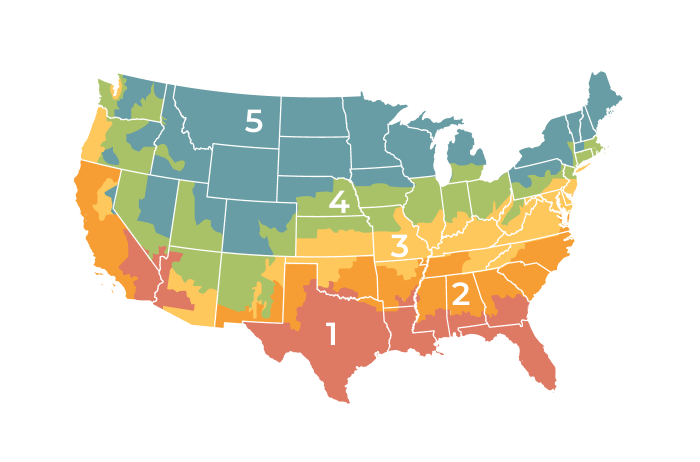
- Climate zone: If you’re in a region with extreme summer temperatures, you’ll likely need a larger, higher-capacity system. This is especially true in the Southwest, Southeast, and South-Central U.S.
Financing options and ways to save
- Financing programs: Available through Trane Comfort Specialists and third-party lenders. Terms vary. Compare rates before committing.
- Seasonal promotions: Rebates and discounts are available on select models, particularly in the off-season. A spring or fall installation often comes with better pricing than a mid-summer emergency replacement.
- Energy efficiency incentives: Homeowners may qualify for federal or state tax credits for high-SEER2 models. Under the Inflation Reduction Act, qualifying heat pump installations may be eligible for a tax credit of up to $2,000.


How Trane Compares to Other Brands
Trane competes with several major players in the AC market. Here’s our honest take on how the brands stack up, and where Trane has a real edge versus where a competitor might be the smarter choice for your situation.
Carrier vs. Trane
- Cost range: $3,000–$15,000 installed
- Pros: Strong durability; wide range of models including budget-friendly options; broad installer availability.
- Cons: Some models run louder than comparable Trane units; installer network is less specialized than Trane’s certified program.
- Our take: Carrier is a solid choice and genuinely competitive with Trane on quality. We recommend Carrier if you want more installer flexibility or a lower entry price. If long-term system life is your top priority, Trane’s engineering tends to edge it out.
Lennox vs. Trane
- Cost range: $3,500–$10,000 installed
- Pros: Industry-leading SEER2 ratings; very quiet operation; excellent efficiency on premium models.
- Cons: Proprietary parts can be harder and more expensive to source; some users report premature copper coil failures. Larger outdoor units can be harder to place.
- Our take: If maximum efficiency is your primary goal, Lennox is worth a serious look. Their top models edge out Trane on SEER2 ratings. But Trane’s parts availability and service network make long-term ownership more straightforward for most homeowners.
Rheem vs. Trane
- Cost range: $1,200–$8,500 installed
- Pros: Widely available; strong installer network; budget-friendly entry price; decent quiet operation.
- Cons: Lower SEER2 ratings on most models; some users report warranty claim challenges; smart features mostly limited to top-tier models.
- Our take: Rheem is the right call if budget is the primary constraint. You’ll get a functional, reasonably reliable system at a lower upfront cost. If you can stretch the budget, though, Trane’s build quality delivers better longevity.
Final Verdict: Should You Choose a Trane Air Conditioner?
Our recommendation: yes, if budget allows and you’re in it for the long haul.
Trane is not the cheapest option, and the certified-installer requirement limits your flexibility in ways that genuinely matter when getting competitive quotes. But if you’re looking for a system that will run reliably for 15 to 20+ years with minimal drama, Trane is hard to beat. The build quality, efficiency options, and brand support network are consistently strong.
We especially recommend Trane for homeowners in hot climates — including the Southwest, Southeast, and South-Central U.S. — where an AC system runs hard for six or more months per year and durability pays off most. The XV Series in particular is worth the premium in those conditions.
If upfront cost is your primary concern, Rheem is worth a look. If maximum SEER2 efficiency is the goal, compare Lennox’s top models alongside Trane’s XV before deciding. But for most homeowners who want a reliable system and don’t want to think about it for the next two decades, Trane earns our recommendation.