

How Much Does It Cost to Install a Heat Pump in Pennsylvania?
A straightforward ducted air-source heat pump replacement in Pennsylvania averages around $17,000 installed statewide. Most homeowners spend between $12,000 and $22,000 depending on system type, home size, duct condition, electrical infrastructure, and local labor rates.
Your total cost includes both the equipment (outdoor unit plus air handler or indoor heads) and installation (labor, materials, line sets, electrical tie-ins, permits, testing, and commissioning). As a homeowner who has lived in Pennsylvania for nearly a decade, I can tell you that the state’s older housing (my house was built in the 1930s) and genuinely cold winters shape both the system you’ll need and what the installation will involve, particularly in western and northern PA where heating demand is the real driver.
Pennsylvania Heat Pump Installation Cost by Metro Area
| Metro / Area | Ducted Air-Source | Ductless Mini-Split (Single Zone) | Ductless Mini-Split (Multi-Zone, 3–4 Heads) |
|---|---|---|---|
| Philadelphia / Southeast PA | $14,000 to $22,000 | $4,000 to $7,500 | $12,000 to $20,000 |
| Pittsburgh / Southwest PA | $12,000 to $19,500 | $3,500 to $7,000 | $11,000 to $18,500 |
| Lehigh Valley / Allentown | $12,000 to $19,000 | $3,500 to $6,500 | $10,500 to $18,000 |
| Harrisburg / Central PA | $11,500 to $18,000 | $3,200 to $6,000 | $10,000 to $17,000 |
| Scranton / Wilkes-Barre | $11,500 to $18,500 | $3,200 to $6,500 | $10,000 to $17,500 |
| Erie | $11,000 to $18,000 | $3,000 to $6,000 | $9,500 to $16,500 |
Philadelphia / Southeast PA
Philly is Pennsylvania’s most expensive heat pump market, driven by high labor rates and a dense housing stock of rowhouses, twins, and attached homes that complicates outdoor unit placement, permitting, and line set routing. PECO customers in the Philadelphia area also have access to the best rebate stack in the state through the combination of standard PECO rebates and the Energy Assessment Program (EAP) bonus tiers. We recommend getting at least three quotes here and specifically asking each contractor whether your chosen equipment qualifies for the full PECO + EAP rebate stack.
Pittsburgh / Southwest PA
Pittsburgh has a solid HVAC contractor market with labor rates below Philly. Your rolling terrain and mix of older housing means ductwork condition varies widely. Some homes are well-suited to a ducted replacement, others are better candidates for ductless. Pittsburgh’s winters are cold enough to make cold-climate heat pump specs worth considering, particularly in homes that rely on the heat pump as the primary heating source. We recommend asking your contractor to assess your existing ductwork condition before committing to a system type. Find Pittsburgh contractors.
Lehigh Valley / Allentown
The Lehigh Valley has a competitive HVAC contractor market and pricing that runs below the Philadelphia metro. Winters here are genuinely cold. Cold-climate heat pump specs are worth the modest price premium over standard equipment. PPL Electric customers in this area can access Act 129 rebates on qualifying installations. We recommend confirming your contractor is familiar with PPL’s current rebate-eligible equipment list before finalizing your system selection. Find Allentown contractors.


Harrisburg / Central PA
In Central PA, we often get better installation pricing than other areas in the state, but you pay more the closer you live to a larger city. We get some freezing winters and hot summers where I live, but Central PA is a big area. Your needs will depend on where you live (winter in the mountains here is no joke). If you decide not to use a dual-fuel system (gas furnace for winter, heat pump for summer), I personally recommend looking into a cold-climate model. Your best bet, though, is to talk to a contractor to get help choosing the best heating and cooling system for your home/area. Find Harrisburg contractors.
Scranton / Wilkes-Barre
Northeastern Pennsylvania sees some of the state’s most demanding winters, with heavy snowfall and temperatures that regularly push below 0°F in the colder stretches. Cold-climate heat pump specs aren’t optional here — they’re the baseline. We recommend a system rated to at least -13°F and strongly suggest asking your contractor about dual-fuel options (heat pump plus gas backup) if your home already has gas service. The dual-fuel approach gives you heat pump efficiency in mild weather and reliable gas backup during extreme cold. Find Scranton contractors.
Erie
Erie’s lake-effect snow and extended cold seasons make it one of Pennsylvania’s most demanding heat pump climates. Labor rates here are among the most affordable in the state, but equipment selection matters more than almost anywhere else in Pennsylvania. We recommend only cold-climate rated equipment — brands like Mitsubishi, Bosch, and Daikin with proven performance at -13°F or below — and a Manual J load calculation before any system is sized. A dual-fuel setup deserves serious consideration in Erie given how long and cold the heating season runs. Find Erie contractors.
Are Heat Pumps a Good Idea in Pennsylvania?
Yes, for most Pennsylvania homeowners, particularly in the southeastern and central parts of the state. Pennsylvania’s four-season climate means one system handling both heating and cooling delivers real value. Modern cold-climate heat pumps are a meaningful upgrade over what was available even five years ago, and Pennsylvania’s utility rebate programs make the economics more favorable than in many other states.
Western and northern PA homeowners should pay closer attention to equipment specs — Erie and the Scranton/Wilkes-Barre corridor are cold enough that cold-climate ratings and dual-fuel backup are worth the additional consideration.
What are the disadvantages?
- Upfront cost: Heat pumps cost more to install than a standard gas furnace replacement.
- Cold-climate specs matter in western and northern PA: A standard heat pump will lose meaningful efficiency during Erie’s or Scranton’s coldest stretches. Choosing the right equipment matters.
- Older housing stock: Pennsylvania has a high proportion of older homes. Ductwork condition, electrical panel capacity, and unit placement can all add complexity and cost.
- Electrical upgrades: Older Pennsylvania homes frequently need panel or circuit upgrades before a heat pump can be installed.
- Duct quality matters: Leaky or undersized ductwork reduces performance and can add meaningful project cost.
What are my heat pump alternatives in Pennsylvania?
- Gas furnace + central AC: Lower upfront cost where gas is already installed. Still the most common replacement path in Pennsylvania, particularly in homes with existing gas service.
- Dual-fuel system: A heat pump paired with a gas furnace backup. The heat pump handles mild and moderate weather efficiently; the gas furnace handles extreme cold. A strong option for western and northern PA homeowners who want efficiency without cold-weather risk.
- Boiler and radiators: Common in Pennsylvania’s older housing stock. Quiet, even heat. Requires a separate cooling solution.
- Ductless mini-split: The right path for older homes without usable ductwork where running new ducts would be expensive or disruptive.
Best Heat Pump for Pennsylvania
For most Pennsylvania homes, a cold-climate ducted air-source heat pump is the right starting point — particularly for homes in Pittsburgh, Scranton, and Erie where heating demand is significant. Brands with strong cold-climate performance include Mitsubishi, Bosch, Daikin, and LG. A dual-fuel system (heat pump plus gas backup) deserves serious consideration in the coldest parts of the state.
For Philadelphia and southeastern PA, standard cold-climate specs are still recommended but less critical — your winters are milder than western PA and a well-sized standard model performs well in most conditions.
For homes without usable ductwork — common in Pennsylvania’s older housing stock — multi-zone ductless mini-splits are the most practical path.
How to Save on Costs
- Get three itemized quotes. Same model numbers, tonnage, efficiency ratings, scope, and permit details — so you’re comparing apples to apples.
- Right-size the system. Ask for a Manual J load calculation. Correct sizing is especially important in Pennsylvania where heating load can vary significantly between a Philadelphia rowhouse and an Erie colonial.
- Fix ducts first. Seal and insulate ducts in attics or crawl spaces before installing a new system to reduce the size you need and improve performance.
- Bundle work where possible. Replacing the heat pump and air handler together ensures matched components and can reduce labor.
- Ask about permits. Build permitting time and cost into your plan upfront — Pennsylvania municipalities vary widely in permitting requirements and timelines.
Pennsylvania Heat Pump Incentives
Pennsylvania has an active utility rebate landscape, but the federal picture changed significantly at the end of 2025.
Important: The federal Energy Efficient Home Improvement Credit (Section 25C), which provided up to $2,000 for qualifying heat pump installations, expired December 31, 2025 and is no longer available.
Pennsylvania utility rebates remain active under Act 129, the state’s energy efficiency mandate:
- PECO (Philadelphia and Southeast PA): PECO offers rebates for qualifying air-source heat pump installations. Philadelphia-area homeowners can also access the Energy Assessment Program (EAP) bonus tiers on top of the standard PECO rebate — Tier 1 ($500), Tier 2 ($1,000), or Tier 3 ($1,400) depending on efficiency level, plus a $250 adder for dual-fuel/hybrid systems. Combined PECO and EAP incentives can exceed $1,700.
- PPL Electric (Lehigh Valley, Central PA, and surrounding areas): PPL offers rebates for qualifying heat pump installations for customers in its service territory. Check with your contractor for current rebate amounts and eligible equipment.
- Other PA utilities: Met-Ed, Penelec, West Penn Power, and other Pennsylvania utilities also offer Act 129 rebates for qualifying HVAC upgrades. Your contractor should be able to identify which program applies to your address.
Rebate amounts and eligible equipment lists change regularly. We recommend asking your contractor to confirm current rebate amounts and verify your chosen equipment qualifies before finalizing your selection.
Next Steps for Pennsylvania Homeowners
- Know your heating needs. If you’re in Erie, Scranton, or western PA, cold-climate specs and dual-fuel backup deserve serious consideration. If you’re in Philadelphia or central PA, a standard cold-climate model typically works well.
- Check your ductwork and electrical. Pennsylvania’s older housing stock means duct condition and panel capacity are real variables — get a contractor assessment before assuming a straightforward replacement.
- Request itemized proposals. Ask for model numbers, efficiency ratings (SEER2 and HSPF2), Manual J documentation, scope, and timeline.
- Confirm your rebate eligibility. Have your contractor identify which utility rebate program applies to your address and verify your equipment qualifies before you sign.
Modernize can connect you with pre-vetted local HVAC professionals in your area to compare options and get clear, written estimates.
Looking for more Pennsylvania home project costs?
-
Heat Pump Installation Cost Virginia
How Much Does It Cost to Install a Heat Pump in Virginia? A ducted air-source heat pump replacement in Virginia averages around $13,000 installed statewide. Most homeowners spend between $8,000... -
Heat Pump Repair Cost
How Much Does Heat Pump Repair Cost? Not all heat pumps cost the same to repair. System complexity and access make a noticeable difference. Average Heat Pump Repair Cost by... -
Dual-Fuel Heat Pumps
What Are Dual-Fuel Heat Pumps? A dual-fuel heat pump system uses two heat sources: the heat pump handles milder weather efficiently, while the gas furnace takes over when temperatures drop... -
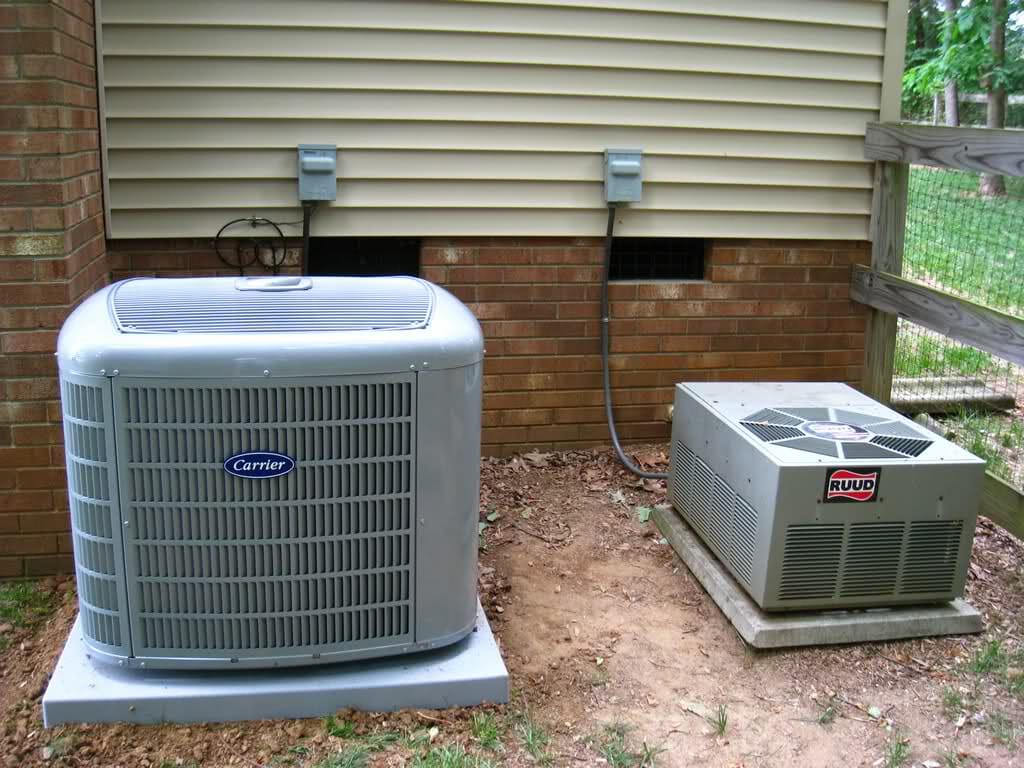
Heat Pump Cost in Washington State
How Much Does It Cost to Install a Heat Pump in Washington State? A straightforward ducted air-source heat pump replacement in Washington averages around $17,000 installed statewide. Most homeowners spend... -
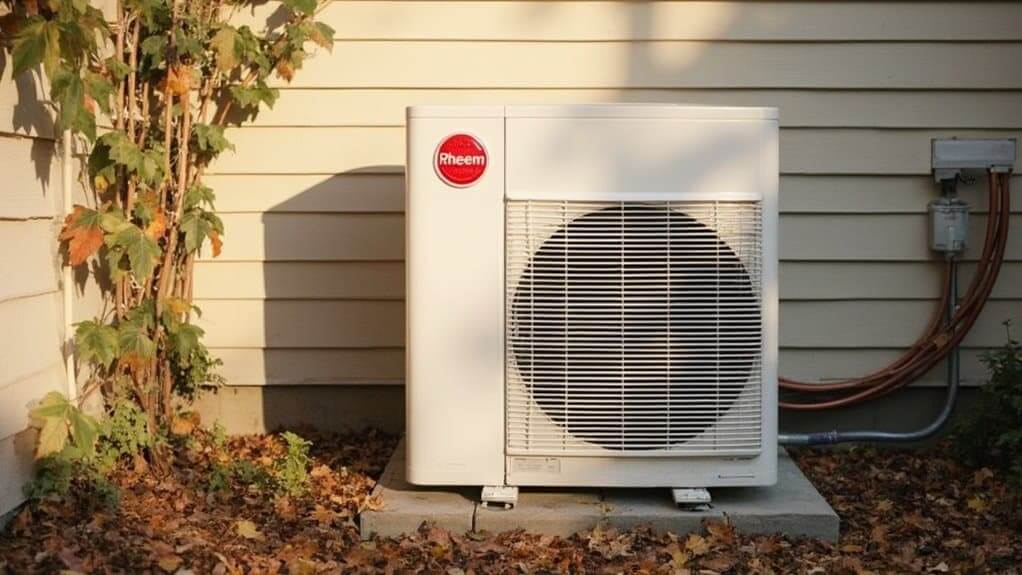
What Is an Electric Heat Pump? A Guide
What Is an Electric Heat Pump? An electric heat pump is an all-electric HVAC alternative to furnaces and air conditioners. They come in a variety of types and can be... -
Heat Pump Installation Cost in Texas
How Much Does It Cost to Install a Heat Pump in Texas? A ducted air-source heat pump replacement in Texas averages around $10,000 installed statewide. Most homeowners spend between $6,000...