
Generators
Home Generator Systems: A Comprehensive Homeowner's Guide
Introduction to Generators
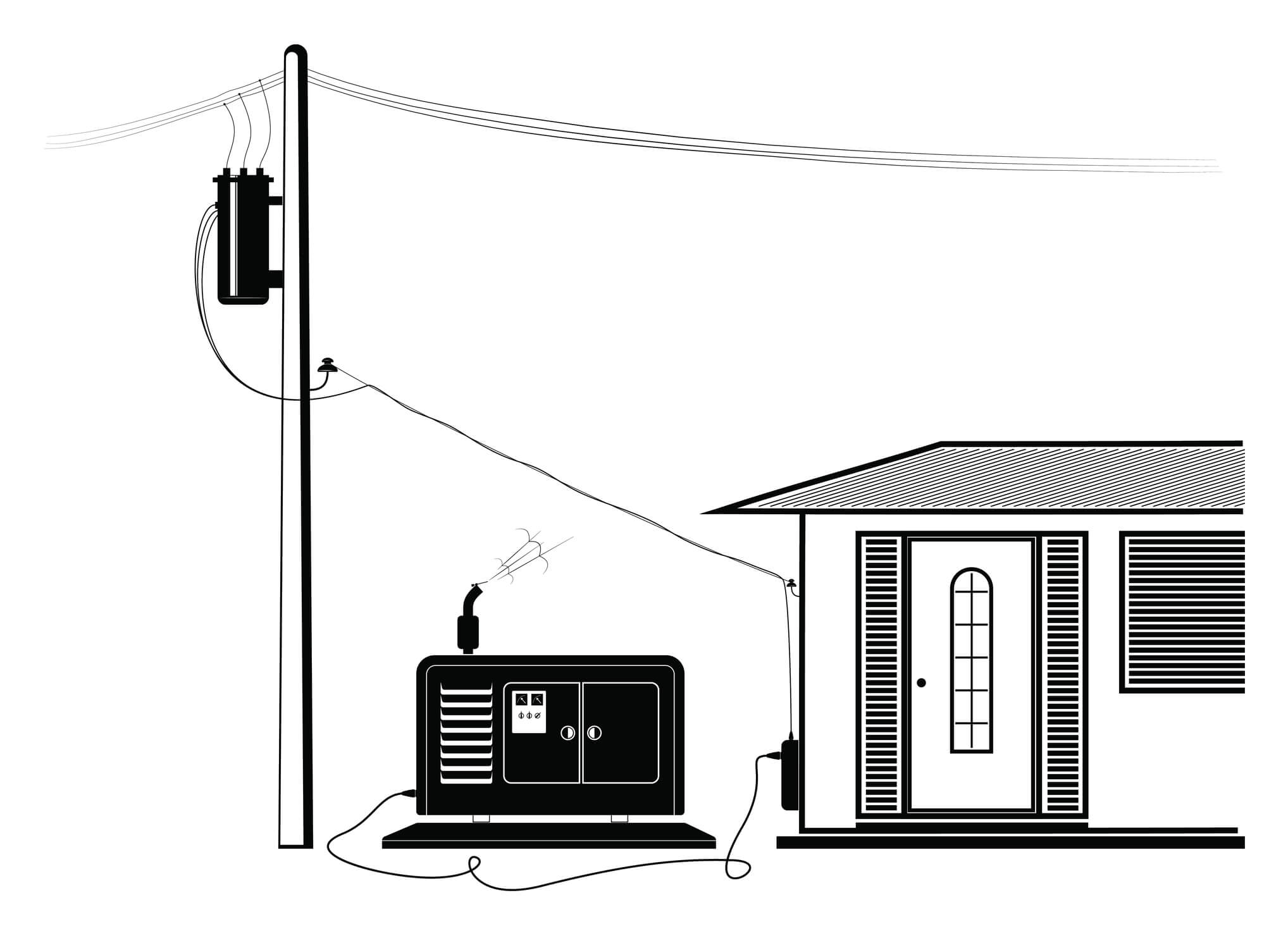
Generators are essential systems designed to provide backup or off-grid electrical power to homes and buildings during outages or in locations without reliable utility service. Whether portable or permanently installed, generators can keep vital appliances and systems operational when power from the grid fails. Whole home generators, also known as standby generators, are especially valued for their ability to automatically power an entire household, offering peace of mind during storms, emergencies, or utility maintenance periods.
What Is a Generator?
A generator is a device that converts mechanical energy into electrical energy to provide power where or when the electrical grid cannot. In residential settings, generators are primarily used for backup power, with some models capable of running everything from lights and HVAC systems to refrigerators and medical equipment.
Fuel Sources and Materials
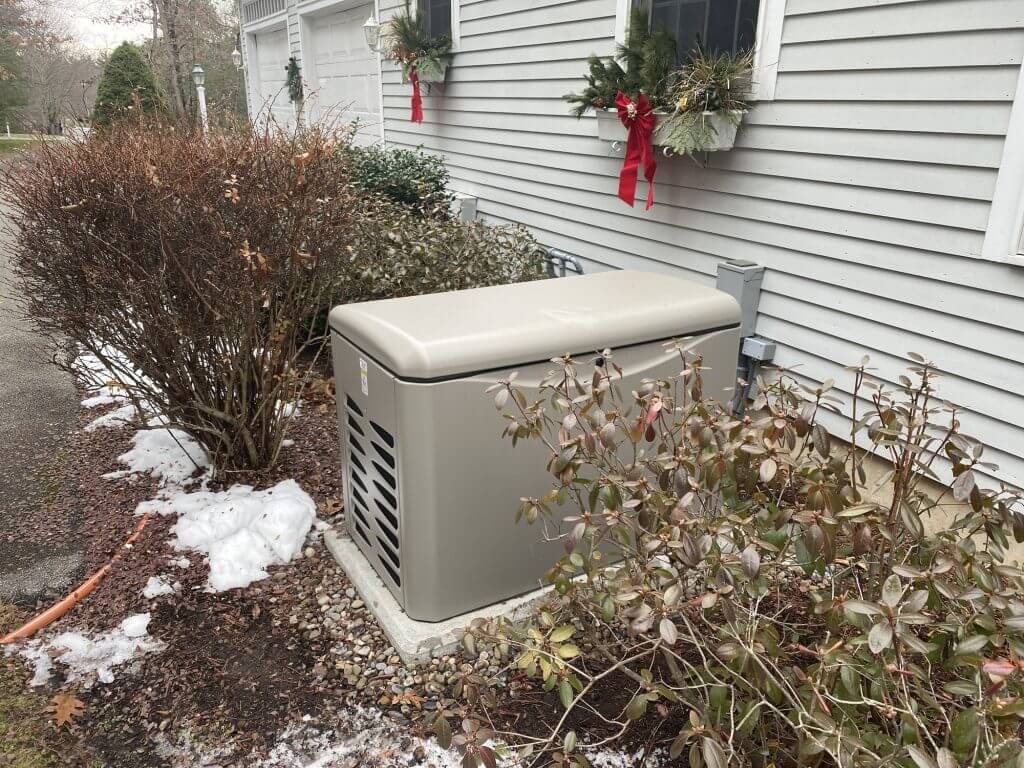
These systems often run on natural gas, propane, or diesel fuel, chosen for their availability, efficiency, and long shelf life in the case of propane and diesel. The materials used in generator housing and internal components are built for durability, weather resistance, and consistent performance.
How Does a Generator Work?
Generators operate through the principle of electromagnetic induction. They use a fuel-powered engine to drive a mechanical alternator, which produces electrical current.
Key Components
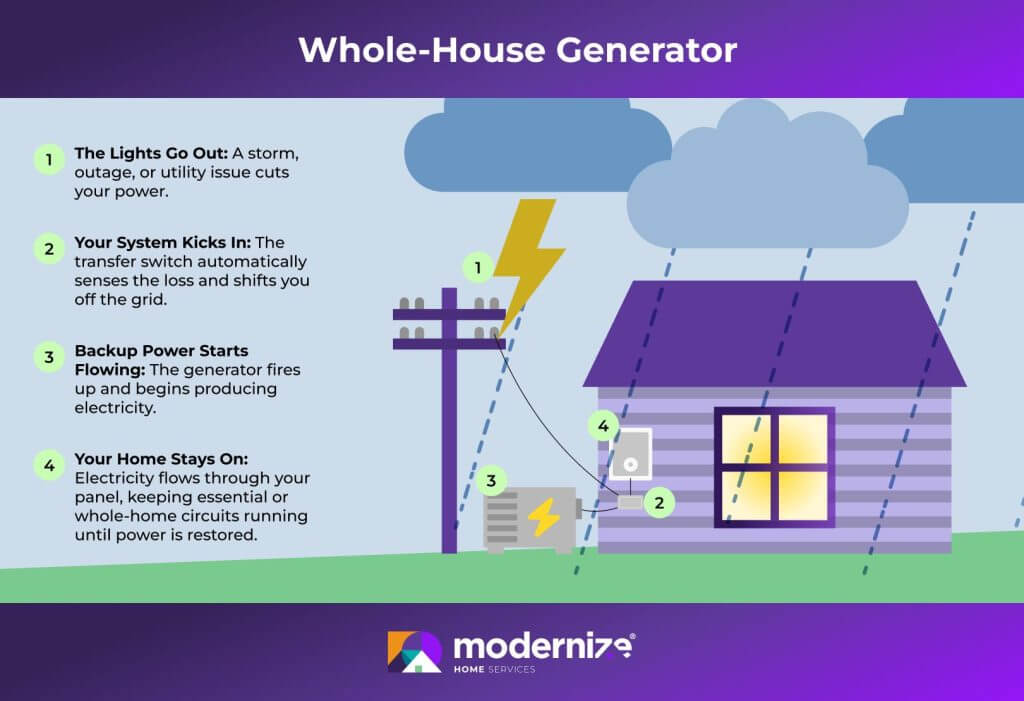
- Engine: Burns fuel to create mechanical energy.
- Alternator: Converts mechanical energy into electricity.
- Fuel System: Supplies fuel to the engine (natural gas, propane, or diesel).
- Voltage Regulator: Maintains consistent voltage output.
- Cooling & Exhaust Systems: Prevent overheating and safely expel emissions.
- Control Panel: Allows for monitoring and manual operation.
- Automatic Transfer Switch (ATS): Instantly switches power source to the generator when it detects a utility outage.
Frequently Asked Questions
What Are the Different Types of Generators?
As you begin exploring generator options for your home, it’s important to understand the main categories and how they differ in terms of function, fuel source, and capacity. Whether you’re planning for full-home coverage or limited backup, selecting the right type of generator depends on your power needs, budget, and preferred level of automation.
Common Types
- Whole Home (Standby) Generators: Permanently installed and automatic.
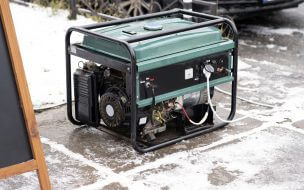
- Portable Generators: Mobile, gasoline or propane-powered for temporary use.
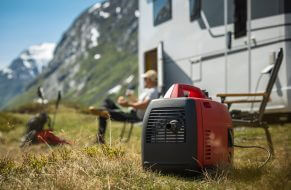
- Inverter Generators: Quiet, stable power for electronics.
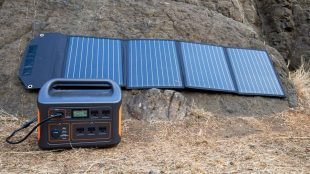
- Solar Generators: Battery-powered, recharged by solar panels.
» See Our Guide: Portable vs. Whole-House Generators
Other Options
- Dual-Fuel Generators: Switch between gasoline and propane.
- Diesel Generators: Reliable, high-capacity systems for larger properties.
Frequently Asked Questions
Choosing the Right Generator for Your Home
Homeowners should consider these key factors when selecting a generator:
| Factor | Considerations |
|---|---|
| Durability | Choose weatherproof and corrosion-resistant models. |
| Aesthetic Appeal | Select units that blend into your home’s exterior. |
| Functionality | Assess your power needs (whole home vs. partial). |
| Budget | Balance between upfront cost and long-term peace of mind. |
Common Components of a Generator
| Component | Purpose |
|---|---|
| Engine | Powers the system using fuel. |
| Alternator | Generates electrical output. |
| Transfer Switch | Automatically shifts to generator power during an outage. |
| Fuel System | Provides fuel to the engine. |
| Cooling & Exhaust | Prevents overheating and manages emissions. |
| Control Panel | Displays diagnostics and controls. |
Frequently Asked Questions
How to Maintain Your Generator
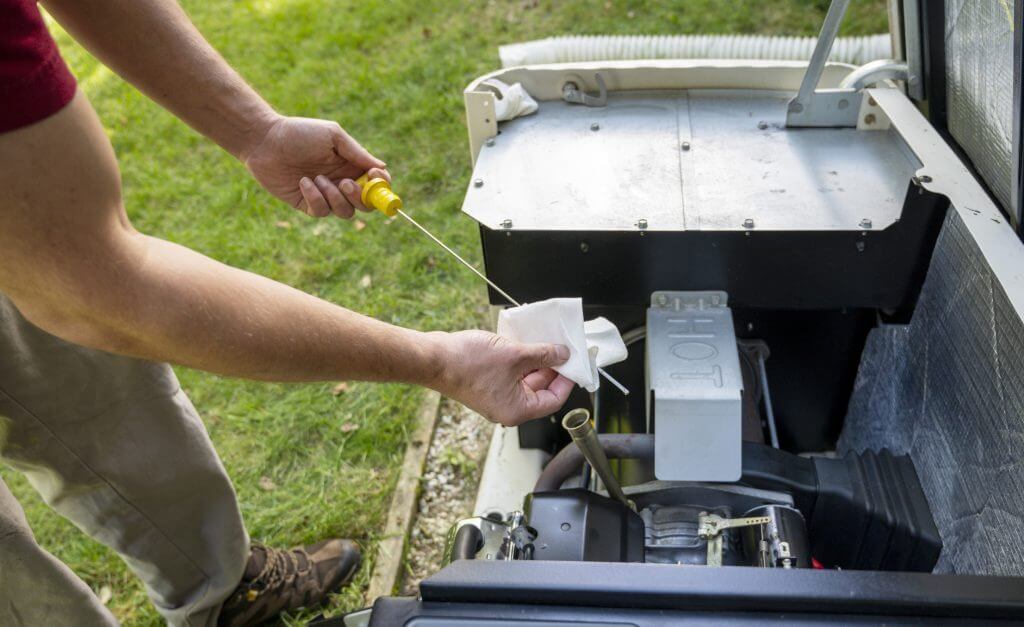
Proper maintenance is crucial to ensure your generator performs reliably during power outages. Neglecting upkeep can result in mechanical failures, reduced efficiency, or even total breakdown when you need it most. Below are key maintenance tasks and best practices to help you keep your system in peak condition.
Routine Maintenance Tips
- Test the unit weekly or monthly.
- Change oil and replace filters.
- Inspect electrical connections.
- Watch for fuel or coolant leaks.
- Keep area around unit clear.
- Schedule yearly professional servicing.
Frequently Asked Questions
Generator Replacement and Installation Costs
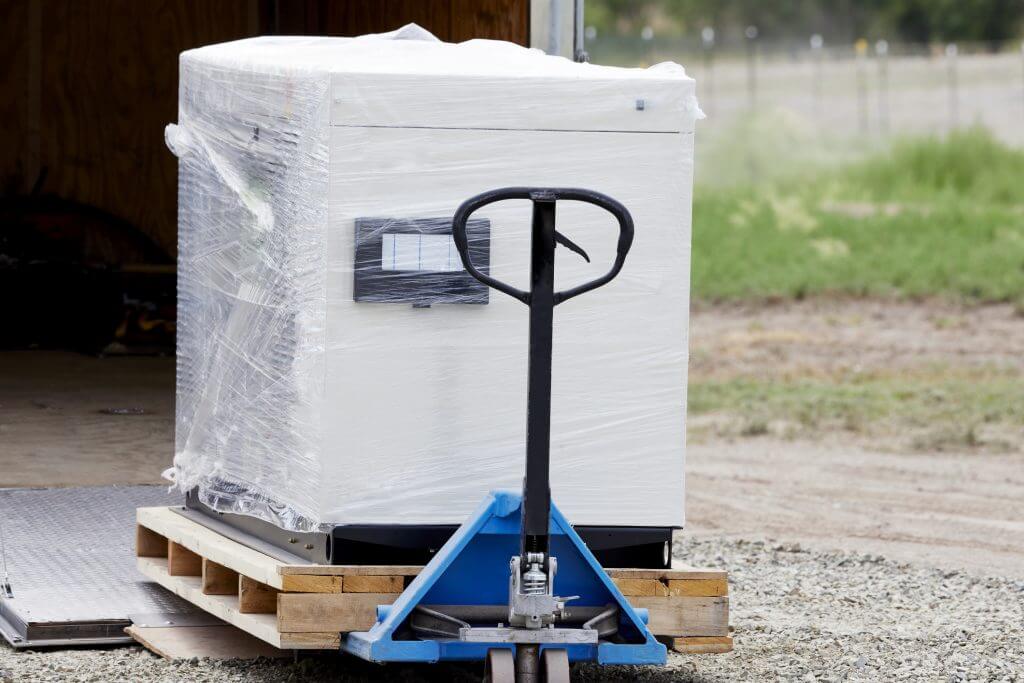
Installing or replacing a home generator can represent a significant investment, but the cost varies based on factors such as home size, power needs, fuel type, and regional labor rates. For example, a whole home generator installation for a 2,500-square-foot house in North Carolina (including equipment, labor, permits, and a natural gas hookup) typically ranges between $9,000 and $11,000. In contrast, a portable generator capable of powering essentials in a 1,250-square-foot home in Texas may cost around $1,200 to $1,800, depending on wattage and transfer switch requirements.
Average Costs
| Type | Average Cost (Installed) |
|---|---|
| Whole Home/Standby Generator | $6,000 to $12,000 |
| Portable Generator | $500 to $2,500 |
| Transfer Switch | $500 to $1,500 |
Cost depends on size, fuel type, and complexity of installation (permits, gas lines, pad setup, etc.).
Frequently Asked Questions
Common Issues and Troubleshooting Tips for Generators
Generators are generally reliable, but like any mechanical system, they can occasionally run into problems. Knowing what to look for and how to respond can help homeowners address minor issues themselves and recognize when to call in a professional.
- Failure to Start: Often caused by a dead battery, low oil levels, or stale fuel. Check each of these before calling a technician.
- Overloading: Happens when too many appliances are connected. Disconnect non-essential items and check that your generator’s wattage matches your power needs.
- Low Power Output: May indicate a problem with the alternator or poor fuel quality. Try changing the fuel or having a technician inspect the generator.
- Fuel Leaks: Check for visible drips or the smell of fuel around the generator. This could be caused by loose connections or cracked hoses.
- Error Codes on Control Panel: Refer to your owner’s manual for error code meanings or contact support for diagnostics.
Frequently Asked Questions
Environmental and Energy Consumption Considerations for Generators
When selecting a generator, it’s important to evaluate its environmental footprint and energy efficiency. Traditional generators powered by gasoline or diesel can emit carbon monoxide, particulate matter, and greenhouse gases, which contribute to air pollution and climate change. Energy consumption can also vary significantly depending on fuel type and usage patterns.
Environmental Considerations
- Cleaner Power Options: Inverter and solar-powered generators produce less noise and emissions, making them better for the environment and residential areas.
- Fuel Efficiency: Propane and natural gas generators tend to burn cleaner and more efficiently than gasoline or diesel models.
- Load Management: Using only essential circuits during operation reduces overall fuel consumption and environmental impact.
- Battery Integration: Some solar generators include battery storage, reducing reliance on fossil fuels and providing quieter, emission-free backup power.
Tip: Explore local, state, or federal incentives that promote renewable energy systems or energy-efficient home upgrades. These may apply to solar generators or hybrid systems.
Frequently Asked Questions
What to Do After Installing a Generator
Once your new generator is installed, it’s essential to take several proactive steps to ensure it operates safely and efficiently from day one. Beyond simply powering it on, homeowners should confirm the installation was completed properly, become familiar with basic operation, and plan for ongoing upkeep.
Post-Installation Checklist
- Inspect the system for proper setup.
- Test the unit with a simulated outage.
- Register product warranties.
- Schedule regular servicing.
- Educate household on safe use.
Frequently Asked Questions
Ready to get your project started?
Let us find the best Generator pros in your area, then easily request quotes, book a contractor, and get the job done. It’s that easy.

Homeowner Resources
Here are the top articles that homeowners found useful when planning their Generators project and navigating the contractor hiring process.

Real Stories, Real Success
See how our solutions empower homeowner projects and experiences.