Roof
Roof Repair vs. Replacement: How to Decide
On this page
- How to decide between roof repair vs. full replacement
- Cost, lifespan, and risk differences between both options
- Key factors that impact safety, efficiency, and home value
Find the best roofing pros in your area.

The Modernize Mission
We help homeowners make confident decisions through our reliable, up-to-date, and unbiased information and average project costs. All of our content is thoroughly reviewed and fact-checked by our team of home improvement experts. Learn more about how we maintain these values.
Table of Contents
- Quick Answer: Should You Repair or Replace Your Roof?
- How Do Roof Repair and Roof Replacement Compare?
- When Is Roof Repair the Right Choice?
- When Is Roof Replacement the Better Option?
- How Much Does It Cost to Repair vs. Replace a Roof?
- Repair vs. Replace: A Simple Decision Guide
- What Safety Risks Come From Delaying Roof Repairs?
- Why a Professional Roof Inspection Matters
- How Does Roof Condition Affect Energy Efficiency?
- Bottom Line: How to Make the Right Choice
- What Should You Do Next?
- Frequently Asked Questions
Quick Answer: Should You Repair or Replace Your Roof?
In most cases, you should repair a roof when the issue is small, localized, and not recurring (like a few missing shingles or minor flashing damage). You should replace the roof when problems are widespread, the roof is near the end of its lifespan, or there are signs of structural damage (like sagging, persistent leaks, or extensive moisture issues).
How Do Roof Repair and Roof Replacement Compare?
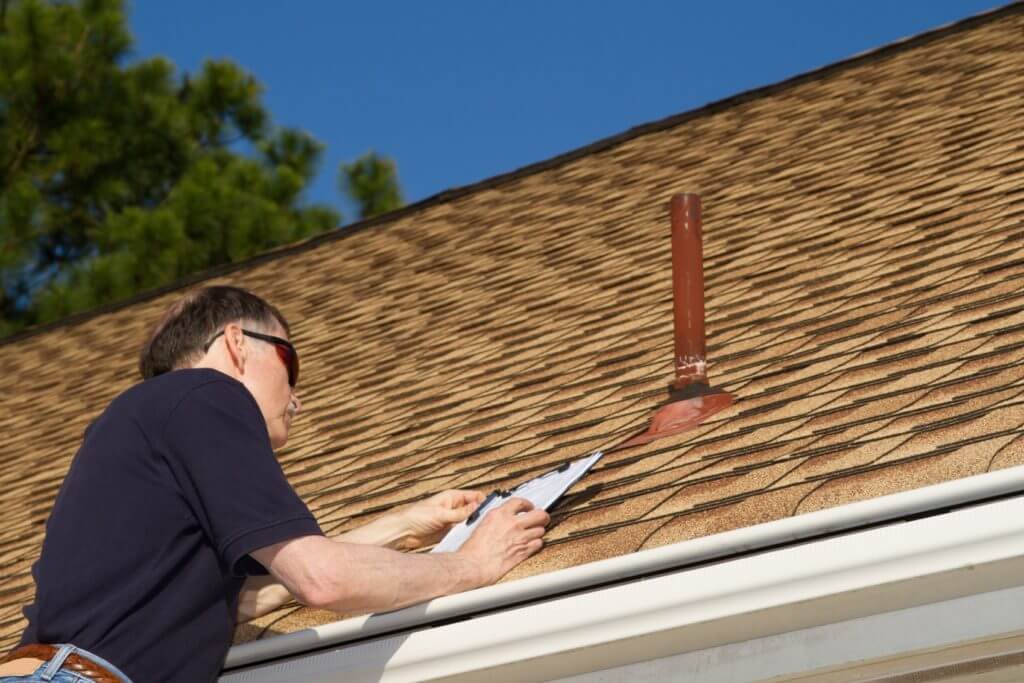
Roof repair and roof replacement solve different problems and come with different costs, timelines, and long-term outcomes. While repairs are typically faster and less expensive upfront, they may not address underlying issues on an aging or failing roof.
The comparison below highlights the key differences homeowners should consider when deciding which option makes the most sense for their situation.
| Factor | Roof Repair | Roof Replacement |
|---|---|---|
| Typical cost | $380 to $1,750 | $5,700 to $12,500 |
| Best for | Localized damage, newer roofs | Aging roofs, widespread issues |
| Time required | Hours to 1 day | Several days |
| How long it lasts | Short- to mid-term (depends on roof age) | Long-term (often 20 to 50 years depending on material) |
| Impact on home value | Minimal | Meaningful (buyer confidence + resale appeal) |
| Risk of future issues | Medium to high (if roof is aging) | Low (if installed correctly) |
When Is Roof Repair the Right Choice?
Roof repair is usually the better option when the roof is still in decent overall condition and the damage is limited to one area. A licensed contractor can often correct the issue and help prevent a small problem from becoming a major leak.
Below are a few diagnostic questions to ask to determine your roof only needs repairs:
Is the damage limited to a few shingles or tiles?
Missing, broken, or cracked shingles/tiles can let water in. If the damage is confined to a small area, replacing the affected materials is often enough to restore protection.
Are you seeing minor leaks or occasional water stains?
Water stains on ceilings or walls, especially after a storm, often come from a small leak. Since water can travel, the stain may not appear directly below the entry point, but the source can often be located and repaired.
Is flashing the likely issue?
Flashing (the metal that protects roof seams and intersections) commonly fails around chimneys, vents, and roof-to-wall connections. Replacing or resealing flashing can stop leaks without replacing the full roof.
Do you see shingle granules in gutters or on walkways?
Asphalt shingles shed granules as they wear. Some granule loss is normal, but heavy accumulation may mean you have sections that need targeted replacement.
Is moss or algae growth minor and isolated?
Small patches can often be treated. If growth is extensive, however, the roof may be holding moisture and could be at risk for rot—an indicator that replacement may be more appropriate.
When Is Roof Replacement the Better Option?
Replacement is often the smarter move when your roof has reached the end of its expected lifespan, when problems are recurring, or when there are signs that moisture has impacted the roof deck or structure.
Below are a few diagnostic questions to ask to determine your roof is ready for a replacement:
Is your roof near the end of its lifespan?
| Roofing Material | Typical Lifespan | Additional Considerations |
|---|---|---|
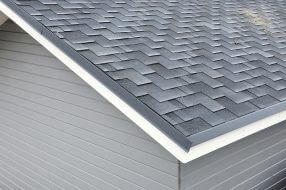
| Asphalt shingles | ~20–30 years | Most common residential roofing material; lifespan varies by quality and climate |
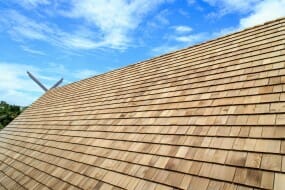
| Wood shingles | ~30–40 years | Requires regular maintenance; more susceptible to moisture and fire risk |
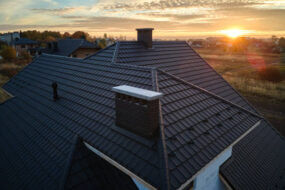
| Standing seam metal | Often 50+ years | Highly durable and weather-resistant; higher upfront cost |
| Tile / slate | Can last decades | Roofing material may outlast the underlayment, which may need replacement sooner |
If your roof is approaching the typical lifespan for its material, repairs may buy time—but replacement often becomes the most reliable long-term solution.
Are leaks frequent, spreading, or severe?
A single small leak in your roof can be repaired. Multiple leaks, repeated leak locations, or heavy water intrusion often indicate system-wide failure that is better addressed with replacement.
Is the roof deck sagging?
Sagging can suggest long-term moisture retention and potential damage to the roof deck, rafters, or trusses. If structural integrity is compromised, replacement is typically the safer choice.
Is there widespread mold, rot, or heavy moss growth?
Extensive biological growth usually means the roof is retaining moisture. When moisture issues are widespread, repairs may not solve the underlying problem.
Are there multiple layers of shingles?
Installing new shingles over an existing layer is a short-term fix. Multiple layers can hide damage and may prevent proper installation, often making full replacement necessary.
How Much Does It Cost to Repair vs. Replace a Roof?
Roof repair and roof replacement costs can vary widely depending on the extent of damage, roof size, materials, and local labor rates. While repairs typically involve a lower upfront expense, replacement often provides a longer-term solution when issues are widespread or recurring.
The table below outlines typical cost ranges to help compare the two options.
| Project Type | Average Cost Range | Good Fit When… |
|---|---|---|
| Minor roof repair | $380 to $750 | Damage is small and isolated (few shingles, minor flashing) |
| Moderate roof repair | $750 to $1,750 | Repair requires more labor or multiple small fixes |
| Full roof replacement | $5,700 to $12,500 | Roof is aging, damage is widespread, or issues are recurring |
Costs vary based on:
- Roof size, pitch, and accessibility
- Roofing material and underlayment needs
- Extent of water damage (including decking/sheathing)
- Local labor rates and permitting requirements
Rule of thumb: If repair costs are approaching 30–40% of a full replacement cost, it’s often worth comparing replacement quotes—especially if the roof is older or problems keep returning.

Repair vs. Replace: A Simple Decision Guide
| Question | If YES… | Recommended Direction |
|---|---|---|
| Is the damage localized (one area, one issue)? | The rest of the roof is still performing well | Repair |
| Is your roof near end-of-life for its material? | Even good repairs may be short-lived | Replace |
| Have leaks happened more than once or in multiple areas? | Recurrence suggests broader failure | Replace |
| Do you see sagging, rot, or structural concerns? | Safety and integrity may be compromised | Replace |
| Are you planning to sell soon? | A new roof can reduce buyer objections | Consider Replace |
What Safety Risks Come From Delaying Roof Repairs?
Neglecting roof issues can quickly lead to more serious (and expensive) problems. Beyond fixing the roof, water intrusion can cause interior damage that requires repairs to drywall, insulation, and paint—and may increase the risk of mold.
Risks include:
- Interior water damage (drywall, insulation, paint)
- Mold growth and indoor air quality issues
- Structural rot in decking and framing
- Higher repair costs the longer you wait
Why a Professional Roof Inspection Matters
A professional annual inspection can identify weak points early, document problem areas, and help extend the life of your roof.
Contractors may inspect shingles, flashing, vents, gutters, chimney areas, and other common leak points, and can often provide photos so you can understand the condition without going on the roof yourself.
Professional roofers can help with:
- Detecting hidden moisture or damaged decking
- Confirming whether issues are repairable or systemic
- Providing documentation and photos
- Helping to prioritize repairs before they become major leaks
How Does Roof Condition Affect Energy Efficiency?
A roof in poor condition can contribute to air leakage and moisture issues in the attic, forcing HVAC systems to work harder.
A properly installed roof system can improve energy-efficiency and comfort—especially when paired with good attic ventilation and insulation.
Installing a new roof typically helps with:
- Improving the attic envelope when leaks and gaps are addressed
- Supporting better temperature regulation and comfort
- Reducing energy waste when combined with proper insulation
Bottom Line: How to Make the Right Choice
Repair vs. replace is a balancing act: you don’t want to pay for a full replacement when a targeted fix will solve the problem, but you also don’t want to keep paying for repairs on a roof that’s already failing. If your roof is impacting your home’s integrity, safety, or long-term costs, it’s worth getting a professional opinion and comparing options.
What Should You Do Next?
- Schedule a roof inspection.
- Request repair and replacement estimates.
- Compare cost, timeline, and long-term reliability.