
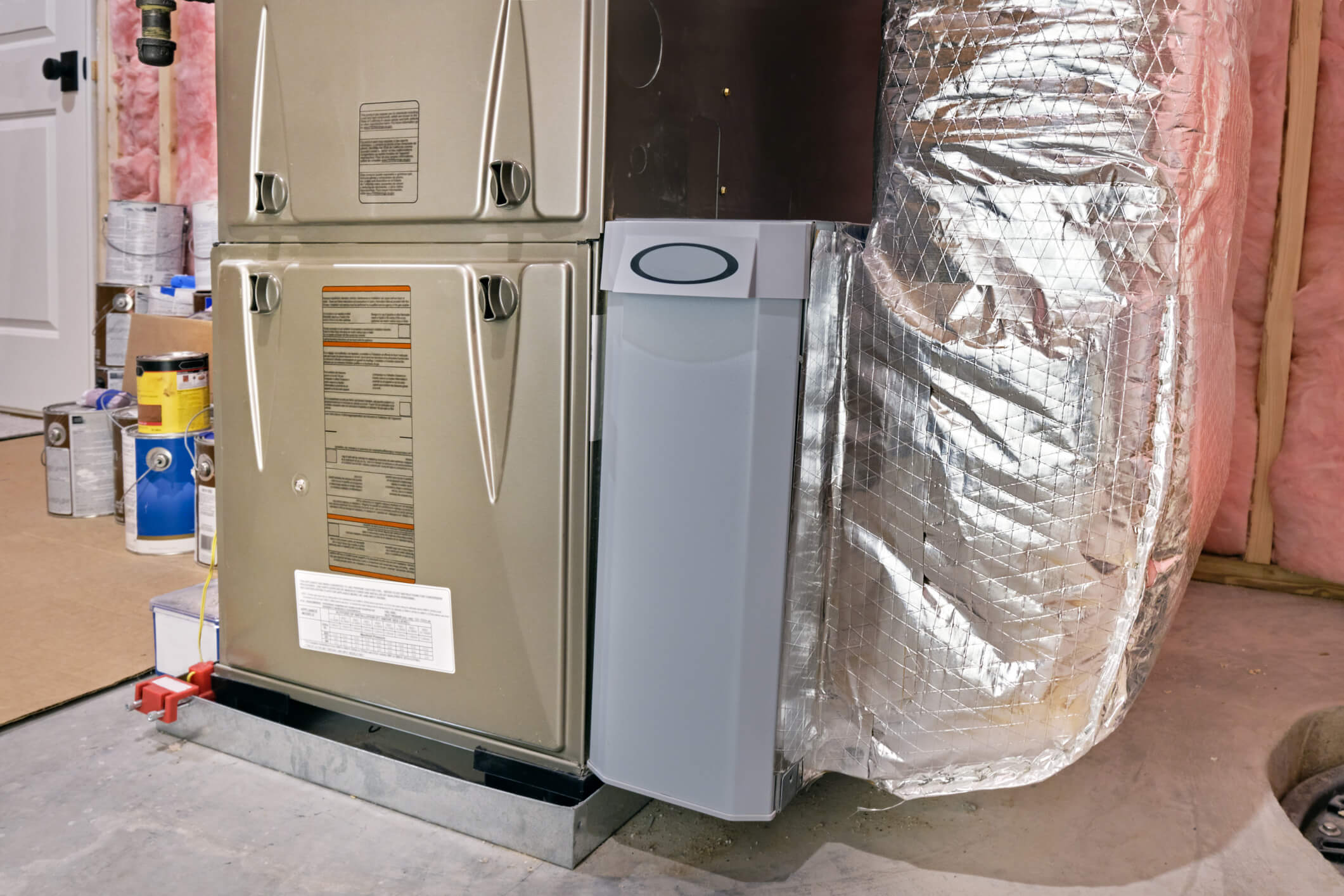

How Long Does a Furnace Last?
The average lifespan of a home furnace is 15 to 20 years. The type of furnace, climate, maintenance habits, and brand quality affect a furnace’s longevity, including the number of necessary repairs and when a full replacement is required.
Factors That Affect Furnace Lifespan
Where your household’s furnace falls on the average lifespan depends on a variety of factors. Fortunately, all are under your control — we have explained each one below to help you maximize your furnace’s performance for as long as possible.
Furnace Type and Fuel Source
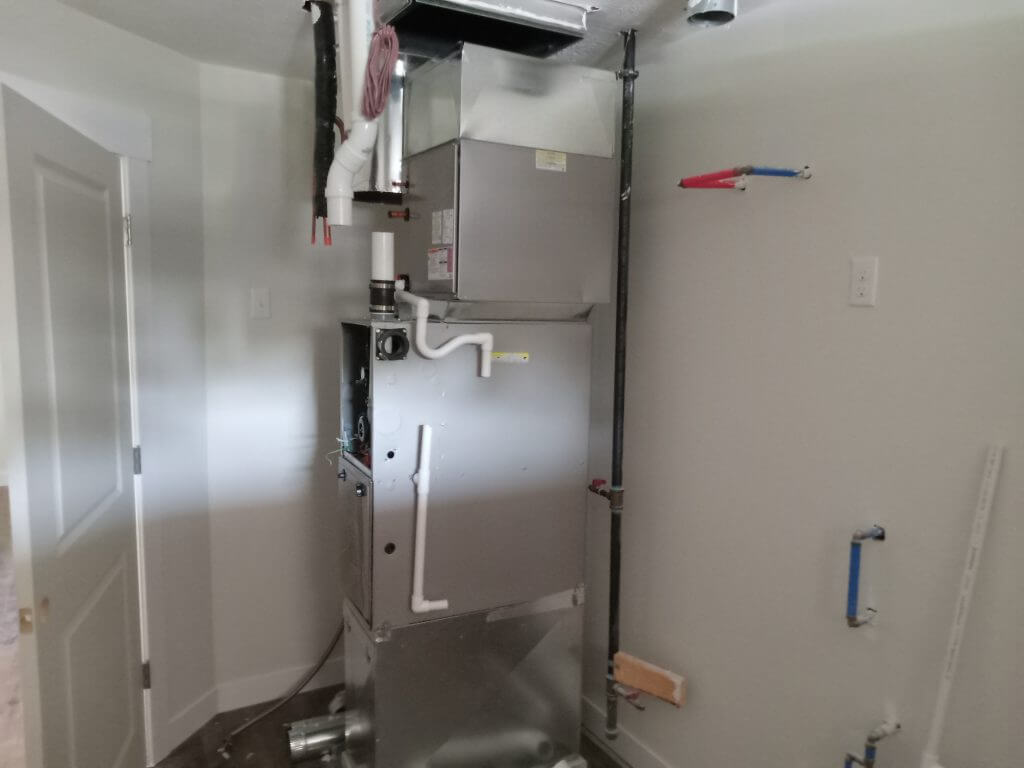
Different furnace types have different lifespans, and a furnace’s fuel source often most affects its overall durability and length of service. Here’s a quick look at the most common types of furnaces and their average lifespans in optimal conditions:
| Furnace Type | Average Lifespan |
|---|---|
| Gas furnace | 15 to 20 years |
| Electric furnace | 20+ years |
| Oil furnace | 15 to 25 years |
| Wood furnace | 15 to 20 years |
Installation and Sizing
Under or oversized furnaces reduce their energy efficiency, leading to additional stress that breaks down the systems over time.
Proper installation is also a factor in furnace performance and lifespan. Over half of all new HVAC systems are not installed correctly, according to the U.S. Department of Energy. Furnaces that are not installed by an expert and according to manufacturer’s recommendations can result in inaccurate load calculations and faulty ductwork, creating poor airflow, ventilation, and performance.
Maintenance Habits
Annual maintenance by a professional HVAC contractor is one of the easiest and most effective ways to extend a furnace’s service life. Get a regular service call on the calendar in early fall before the cold weather sets in to have your furnace inspected. Some HVAC companies offer annual service plans that include furnace and air conditioning maintenance at a reduced cost.
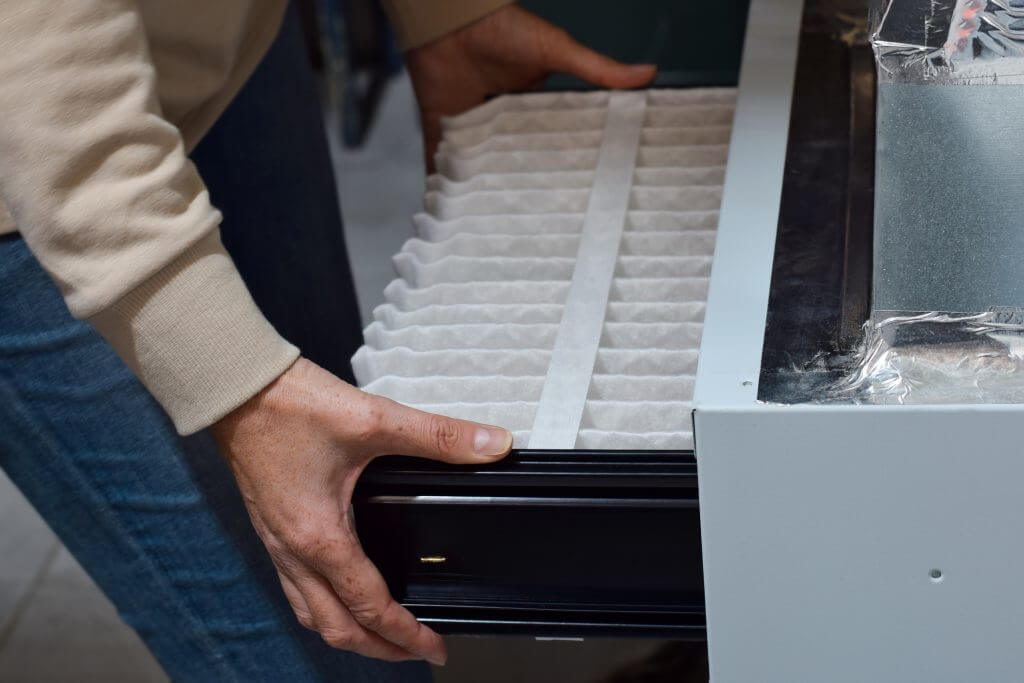
Depending on the type of furnace, a service call can include filter replacements, clearing clogged vents, cleaning the blower assembly, and inspecting heating elements and electrical components.
Operating Conditions and Climate
Furnaces in colder climates are used more frequently and in longer durations that those in milder climates. Without regular maintenance, a furnace in high use will see the effects of wear and tear faster, resulting in more frequent repairs or replacement.
Furnaces are constructed of metal components that are prone to rust in humid environments. Corrosion can cause a host of furnace problems, including reduced energy efficiency, heat output, and dangerous carbon monoxide leaks. Keeping the area around a furnace well ventilated and performing regular inspections, cleaning, and filter replacements can help prevent malfunctions associated with rust and corrosion.
Signs Your Furnace Is Near the End of Its Life
While a furnace offers an impressive lifespan, it doesn’t last forever. Replacing a furnace with new components and improved technology increases a home’s comfort, energy efficiency, and safety. Here are common warning signs it may be time for a furnace replacement:
- Older Unit: If your home’s furnace is at least 15 to 20 years old, it is near the end of its average lifespan, no matter the type and fuel source.
- Uneven Heating: Fluctuating room temperatures, hot and cold spots, and significant air temperatures between stories are all signs a furnace is not functioning optimally.
- Strange Noises: Unusual sounds like rattling or humming during operation or when turning on or off indicate worn-out components.
- Higher Energy Bills: Furnaces on the fritz operate inefficiently, resulting in higher monthly heating costs.
- Frequent Repairs: Multiple furnace repairs may come to a point of diminishing returns and end up costing more than a full replacement.
How to Extend the Life of Your Furnace
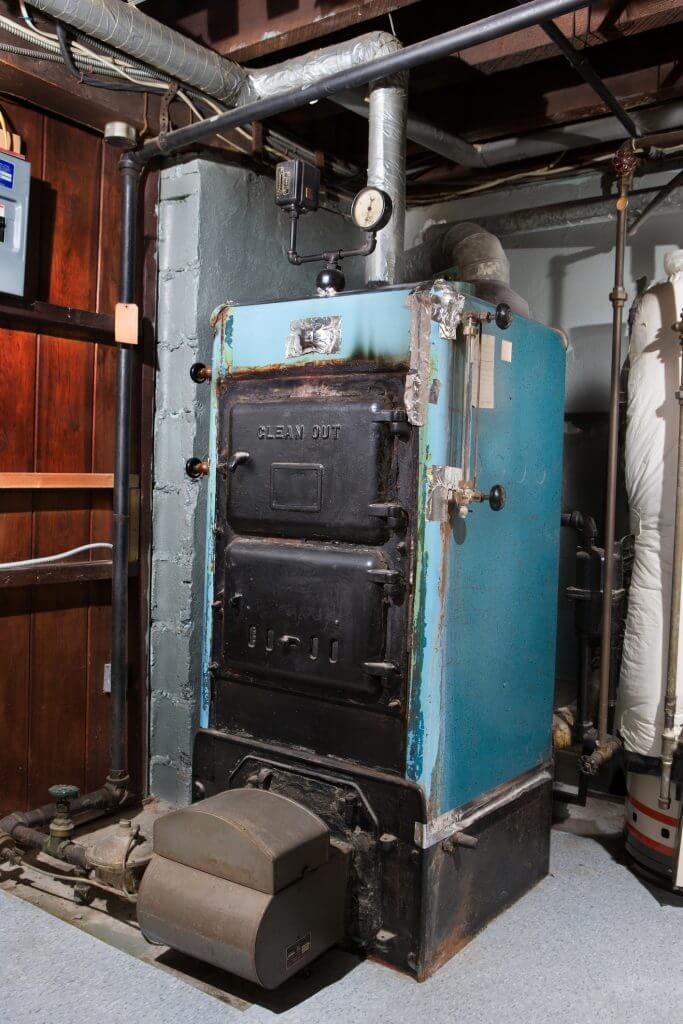
While a quality furnace offers an impressive lifespan and value for the money, there are a few things you can do to extend its service life even further.
Professional Installation
As mentioned above, many furnaces aren’t installed properly, leading to system strain and early failure. A professional HVAC contractor can determine a home’s energy needs, select the proper furnace type and size, and install to manufacturer’s specifications for the best performance and lifespan.
Regular Professional Maintenance
Adding a furnace to a home’s late summer or early fall maintenance checklist prevents many issues. Like installation, we recommend furnace maintenance performed by a professional HVAC contractor to ensure system efficiency, performance, and safety.
Here are common items included in a furnace tune-up:
- Overall inspection of operation and condition of parts
- Cleaning of burners, blower, and heat exchanger
- Air filter replacement
- Checking flue and vent operation
- Inspecting electrical components
- Testing the thermostat, safety control, and airflow
- Settings adjustments if necessary
Smart Thermostat and Efficiency Practices
Smart thermostats extend the lifespan of a furnace by reducing the amount of cycling-induced wear and tear. They optimize furnace efficiency based on household use to reduce long-term strain on the furnace system. A smart thermostat can also facilitate regular maintenance through scheduled service reminders and air filter changes.
Keeping up with regular homeowner maintenance can also keep a furnace in good condition. Quarterly air filter changes and inspecting air ducting for proper sealing prevent system overtaxing and break downs.
When to Repair vs. Replace Your Furnace
Knowing when to repair your furnace or replace one on the fritz should consider the unit’s age and performance. Compare these factors with the average furnace repair costs and the potential energy savings that come with a new and more efficient model.
Repair vs. Replace Cost Comparison
Here are by-the-numbers comparisons of furnace repair and replacement costs. Frequent and expensive repairs are signs it is probably time to contact a professional HVAC company for a new furnace estimate.
- Average furnace repair cost: $150 to $500
- Average furnace replacement cost, basic model: $2,000 to $5,000
- Average furnace replacement cost, high-efficiency model: $4,000 to $9,000
Energy Savings
New furnace models are more energy efficient than older units and keep a home’s heating consistent and more comfortable. Instead of spending money repairing an older unit, it often makes more financial sense to replace it with a new model to save costs on repairs and monthly energy bills.
Homeowners can potentially save up to $140 annually on their energy bills by installing new ENERGY STAR certified equipment.
Average Furnace Lifespan by Brand
Manufacturer quality will also affect the service life of a furnace. The quality of the components and craftsmanship impact a unit’s performance and reliability.
Below are the average lifespans for several of the major furnace suppliers. Basic and single-stage models typically last for approximately 15 years, while high-efficiency and multi-phase furnaces can last 20 years or more.
| Furnace Brand | Average Lifespan |
|---|---|
| Amana | 15 to 20 years |
| American Standard | 15 to 25 years |
| Carrier | 15 to 20 years |
| Lennox | 15 to 25 years |
| Rheem | 15 to 20 years |
| Trane | 15 to 25 years |
Final Thoughts: Plan Ahead for a Longer-Lasting Furnace
Most furnaces last 15 to 20 years, but the real deciding factors are how well the system is sized and installed, how often it’s maintained, and how hard it has to work in your climate. If your furnace is nearing that age range — or showing signs like uneven heating, rising bills, or frequent repairs — getting a professional assessment can help you compare repair costs against the comfort and energy savings of a newer model.
Furnace Lifespan FAQs
-
Furnace Cost in St. Paul, MN
Cost of a New Furnace (Plus Installation) in St. Paul Most St. Paul homeowners spend $6,300–$11,300 installed on furnace replacement. Your final cost depends on furnace capacity, AFUE rating, permit... -
Furnace Cost in Bloomington, IL
New Furnace Cost in Bloomington, IL In Bloomington, you can expect a new furnace to cost anywhere from $5,800 to $10,300. This price includes installation. The wide cost range is... -
Furnace Cost in Minnesota
Installed Furnace Cost in Minnesota The cost of a new furnace and installation in Minnesota ranges from $6,200 to $11,600. This is more than the national average. Higher costs are... -
Furnace Cost in Minneapolis, MN
Cost of a New Furnace and Installation in Minneapolis Most furnace replacements in Minneapolis fall between $6,300 and $11,600 installed. Final costs will vary with furnace size, efficiency, venting path,... -
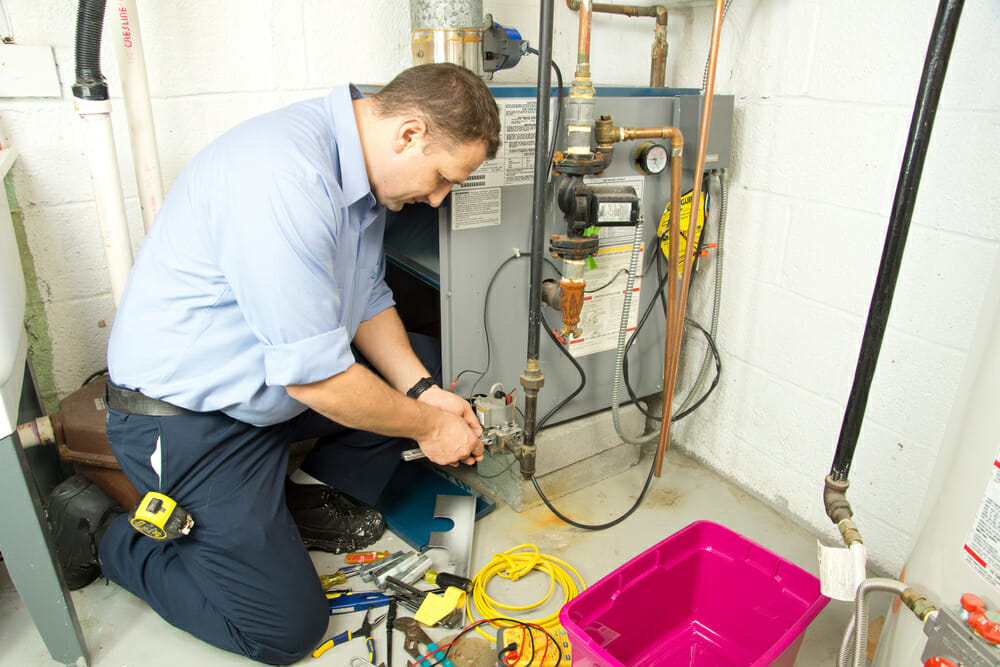
Furnace Repair Cost
How Much Does It Cost to Fix a Furnace? On average, a typical furnace repair costs around $600, with most jobs falling between $350 and $900. Your price depends on... -

Furnace Heat Exchanger
What Is a Furnace Heat Exchanger? A heat exchanger is the component inside your furnace that separates combustion gases from the air you breathe. As fuel burns, it produces hot...