

How Much Does It Cost to Install a Heat Pump in Washington State?
A straightforward ducted air-source heat pump replacement in Washington averages around $17,000 installed statewide. Most homeowners spend between $12,000 and $22,000 depending on system type, home size, ductwork condition, electrical capacity, and which side of the state you’re on.
Your total cost includes both the equipment (outdoor unit plus air handler or indoor heads) and installation (labor, materials, line sets, electrical tie-ins, permits, testing, and commissioning). Washington is an unusual state to price out because it’s really two climates in one: mild, wet winters west of the Cascades in Seattle, Tacoma, and Bellingham, and a colder, drier continental climate east of the mountains in Spokane, Yakima, and the Tri-Cities. That split affects which equipment makes sense more than it does in almost any other state we cover.
Washington Heat Pump Installation Cost by Metro Area
| Metro / Area | Ducted Air-Source | Ductless Mini-Split (Single Zone) | Ductless Mini-Split (Multi-Zone, 3–4 Heads) |
|---|---|---|---|
| Seattle / Puget Sound | $14,000 to $23,000 | $4,500 to $8,000 | $13,000 to $21,000 |
| Tacoma / South Sound | $13,000 to $20,500 | $4,000 to $7,500 | $12,000 to $19,500 |
| Vancouver / Clark County | $12,500 to $19,500 | $4,000 to $7,300 | $11,800 to $19,000 |
| Bellingham / Whatcom County | $12,500 to $19,500 | $3,800 to $7,000 | $11,500 to $18,500 |
| Spokane / Eastern WA | $12,000 to $19,000 | $3,800 to $7,200 | $11,500 to $18,500 |
| Tri-Cities / Yakima | $11,500 to $18,000 | $3,500 to $6,800 | $11,000 to $17,500 |
Seattle / Puget Sound
Seattle is Washington’s most expensive heat pump market, driven by high labor rates and a dense mix of older homes, many originally built with electric resistance heat (baseboard or wall heaters) rather than ductwork. Replacing resistance heat with a heat pump is one of the more compelling upgrades in the country here, because Seattle City Light’s hydroelectric power keeps electricity cheap — the efficiency gain shows up directly on your bill. Seattle’s winters are also mild enough (rarely below 20°F) that a standard heat pump, not a cold-climate model, typically covers the season. We recommend getting multiple quotes and asking each contractor whether your project qualifies for Seattle City Light’s ductless bonus or its oil-to-heat-pump conversion rebate. See Seattle contractors.
Tacoma / South Sound
Tacoma and the South Sound have a competitive contractor market with pricing that runs a bit below Seattle proper. Climate here mirrors Seattle’s — mild and wet — so equipment selection is less about surviving extreme cold and more about right-sizing for a home’s layout. Find Tacoma contractors.
Vancouver / Clark County
Southwest Washington’s market sits close to Portland pricing and benefits from a competitive cross-border contractor pool. Your winters are milder than eastern Washington but colder than Seattle on average, so a mid-range cold-climate unit is a reasonable middle ground for most homes. Find Vancouver contractors.


Bellingham / Whatcom County
In Bellingham, your winters are mild by national standards but noticeably cooler and wetter than Seattle’s. Most homes here do fine with a standard heat pump, though we’d lean toward a cold-climate-rated unit for anything at higher elevation or further from the coast. Find Bellingham contractors.
Spokane / Eastern WA
Spokane’s climate is a real departure from the west side of the state. Temperatures run 0°F to -5°F, with multi-day cold snaps to -10°F in tough winters. A standard heat pump rated only to the mid-20s will lose meaningful capacity on your coldest nights, so cold-climate specs (rated to at least -13°F) aren’t optional here the way they are for Seattle. Avista, the local utility, has historically required cold-climate certification to unlock its higher rebate tiers.
Tri-Cities / Yakima
Central Washington runs a true four-season continental climate. You get hot, dry summers and genuinely cold winters, which actually plays to a heat pump’s strengths since one system handles both. Labor rates here are among the most affordable in the state. As in Spokane, cold-climate equipment is worth the modest premium over standard models, and a dual-fuel setup (heat pump plus gas backup) deserves consideration if your home already has gas service.
Are Heat Pumps a Good Idea in Washington State?
Yes, for most Washington homeowners, and the case is stronger here than in many states, for one specific reason: Washington’s electricity is among the cheapest in the country, averaging roughly $0.10–$0.14/kWh thanks to hydroelectric power. That makes the economics of replacing electric resistance heat (baseboard heaters, wall heaters, or an old electric furnace) with a heat pump especially compelling, since you’re cutting electricity use for heating by roughly two-thirds while paying some of the lowest per-kWh rates in the nation.
The one place to slow down is the east/west climate split. West of the Cascades, a standard heat pump handles the winter easily. East of the Cascades (Spokane, Yakima, the Tri-Cities) winters get cold enough that equipment selection matters a lot more, and skipping cold-climate specs there is a real mistake.
What are the disadvantages?
- Upfront cost: Heat pumps cost more to install than simply replacing an existing furnace or baseboard system in kind.
- Cold-climate specs matter east of the Cascades: A standard heat pump will lose meaningful capacity during Spokane’s or the Tri-Cities’ coldest stretches. Equipment choice matters more there than almost anywhere in western Washington.
- Electric-resistance retrofits often need panel upgrades: Many older Washington homes built with baseboard or wall heat have electrical panels sized for that system, not for a heat pump’s outdoor unit and air handler.
- No existing ductwork: Homes originally built with zonal electric heat typically don’t have ducts, which pushes many west-side retrofits toward ductless mini-splits rather than a central ducted system.
- Wildfire smoke season: Summer wildfire smoke has become a more regular occurrence west of the Cascades. If air quality is a concern, ask your contractor about air handler filtration options during system selection.
What are my heat pump alternatives in Washington?
- Gas furnace + central AC: A common path where gas service already exists, mostly on the west side. Less common on the east side, where more homes rely on electric heat.
- Dual-fuel system: A heat pump paired with a gas furnace backup. Worth serious consideration in Spokane, Yakima, and the Tri-Cities, where extreme cold snaps can otherwise strain a heat pump-only setup.
- Continued electric resistance heat: Still the status quo in many older Washington homes, but typically the most expensive way to heat given how much more efficient a heat pump is at the same low WA electricity rates.
- Ductless mini-split: The most common retrofit for Washington homes with baseboard or wall heat and no existing ductwork, which describes a large share of the state’s older housing stock.
Best Heat Pump for Washington State
For Seattle, Tacoma, Bellingham, and the rest of western Washington, a standard heat pump (or a cold-climate model as a modest, prudent upgrade) handles the mild winters here with no trouble. Most homes rarely see temperatures below 20°F. Ductless mini-splits are especially well-suited to the region’s older electric-resistance homes.
For Spokane, Yakima, and the Tri-Cities, a cold-climate-rated unit is the right starting point given design temperatures that regularly reach 0°F to -10°F. Brands with strong cold-climate performance include Mitsubishi, Bosch, Daikin, and LG. A dual-fuel system deserves real consideration for homes with existing gas service in these colder pockets.
How to Save on Costs
- Get multiple quotes. Same model numbers, tonnage, efficiency ratings, scope, and permit details.
- Right-size the system. Ask for a Manual J load calculation. This matters more in Washington than in most states, given the swing between a Seattle bungalow’s mild heating load and a Spokane home’s much heavier one.
- Check your panel before you shop. If you’re replacing electric baseboard or wall heat, confirm your electrical panel has capacity for the new system before you fall in love with a particular unit.
- Bundle work where possible. Replacing the heat pump and air handler together ensures matched components and can reduce labor costs.
- Ask about permits. Requirements and timelines vary by city and county across Washington. Build that into your schedule upfront.
Washington Heat Pump Incentives
Washington’s incentive landscape has real value, but it’s more layered than most states — and the federal picture changed significantly at the end of 2025.
Federal rebates: Washington has been awarded federal funding for the Home Electrification and Appliance Rebates program (up to $8,000 for income-qualified heat pump installations). However, as of mid-2026 the statewide consumer application process was still being finalized. Don’t take a contractor’s word that this rebate is available today. Confirm current status directly with WA Department of Commerce before assuming it applies to your project.
Washington State HEAR program: Separate from the federal program above, Washington runs its own state-funded Home Electrification and Appliance Rebates program. It’s backed by Climate Commitment Act revenue, for households at or below 150% of area median income. It’s administered through local third-party administrators rather than a single statewide portal. Email [email protected] to find the administrator covering your county.
Washington utility rebates are active and vary by provider:
- Puget Sound Energy (PSE): Rebates typically run $500 to $1,500 for standard heat pump installations, with higher amounts available for income-qualified households.
- Seattle City Light: Offers rebates for qualifying heat pump conversions, including bonus amounts for ductless systems and oil-to-heat-pump switches, plus additional income-qualified amounts through its HomeWise program.
- Clark Public Utilities (Vancouver area): Offers set rebates by system type — commonly $500 to $1,250 depending on whether you’re converting from electric furnace or zonal heat, plus a separate ductless rebate.
- Avista (Spokane area): Offers rebates for qualifying heat pump installations, with cold-climate certification often required to access the higher rebate tiers.
- Other WA utilities: Tacoma Power, Snohomish PUD, and other Washington utilities also offer heat pump rebates, often with income-qualified tiers. Your contractor should be able to identify which program applies to your address.
Next Steps for Washington Homeowners
- Know which climate you’re actually in. If you’re east of the Cascades (Spokane, Yakima, the Tri-Cities) cold-climate specs deserve serious consideration. If you’re west of the Cascades, a standard heat pump typically performs well.
- Check your electrical panel and ductwork. Many Washington homes were built with electric resistance heat and no ducts. Get a contractor assessment before assuming a straightforward swap.
- Request itemized proposals. Ask for model numbers, efficiency ratings (SEER2 and HSPF2), Manual J documentation, scope, and timeline.
- Confirm your rebates. Given how many programs are active or pending in Washington right now, have your contractor walk through exactly which ones apply to your address and income before you sign.
Modernize can connect you with pre-vetted local HVAC professionals in your area to compare options and get clear, written estimates.
Looking for more Washington home project costs?
-
Heat Pump Installation Cost Virginia
How Much Does It Cost to Install a Heat Pump in Virginia? A ducted air-source heat pump replacement in Virginia averages around $13,000 installed statewide. Most homeowners spend between $8,000... -
Heat Pump Repair Cost
How Much Does Heat Pump Repair Cost? Not all heat pumps cost the same to repair. System complexity and access make a noticeable difference. Average Heat Pump Repair Cost by... -
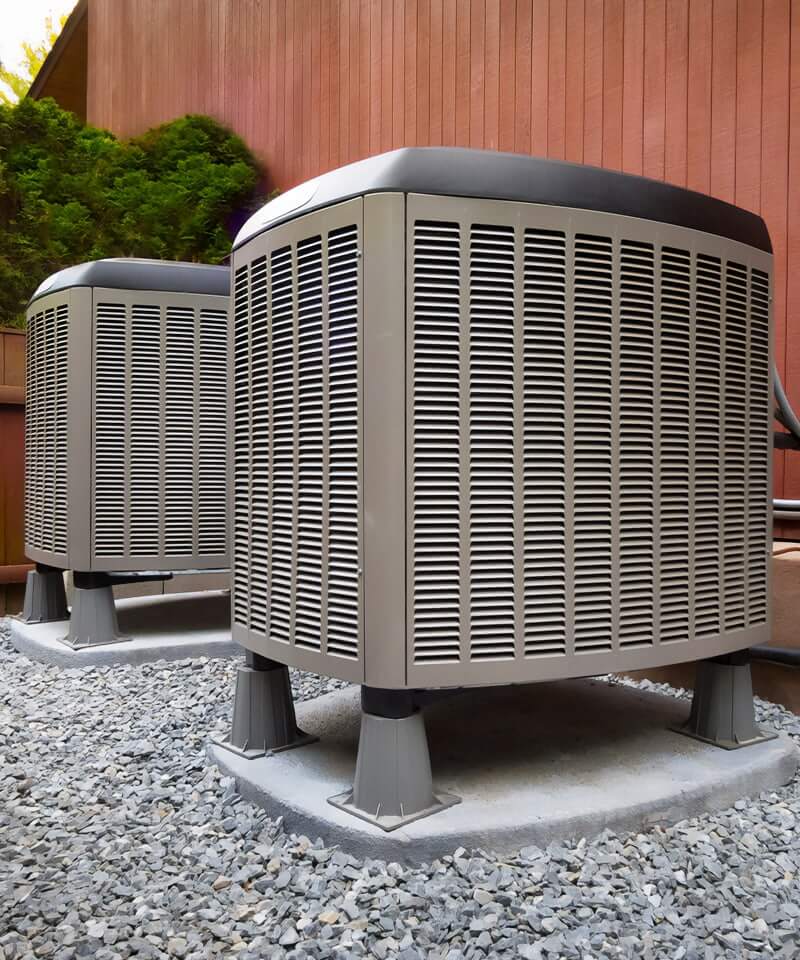
Dual-Fuel Heat Pumps
What Are Dual-Fuel Heat Pumps? A dual-fuel heat pump system uses two heat sources: the heat pump handles milder weather efficiently, while the gas furnace takes over when temperatures drop... -
Heat Pump Installation Cost Pennsylvania
How Much Does It Cost to Install a Heat Pump in Pennsylvania? A straightforward ducted air-source heat pump replacement in Pennsylvania averages around $17,000 installed statewide. Most homeowners spend between... -
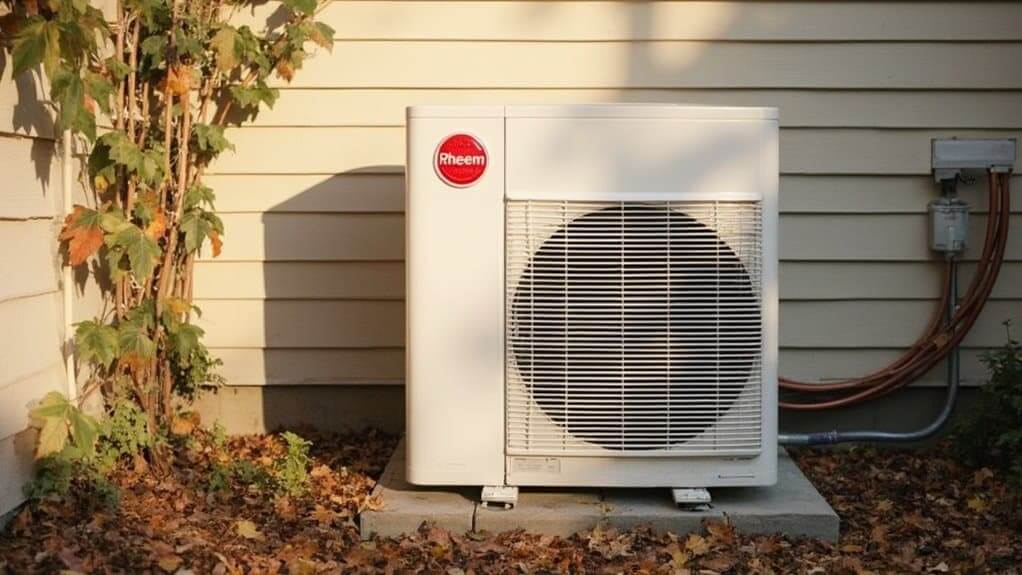
What Is an Electric Heat Pump? A Guide
What Is an Electric Heat Pump? An electric heat pump is an all-electric HVAC alternative to furnaces and air conditioners. They come in a variety of types and can be... -
Heat Pump Installation Cost in Texas
How Much Does It Cost to Install a Heat Pump in Texas? A ducted air-source heat pump replacement in Texas averages around $10,000 installed statewide. Most homeowners spend between $6,000...