Bathroom Remodel
Average 2026 Bathroom Remodel Cost
Average Cost: $3,000 – $30,000
The average bathroom remodel costs $12,115 in 2026. Most projects land between $3,000 and $30,000. A basic update (new vanity, fixtures, and paint) sits at the low end. A full remodel with a new layout, custom tile, or a walk-in shower pushes past $30,000, and luxury projects can top $80,000. Your price depends on what you replace, the materials you pick, and the size of your bathroom. This page breaks down the cost of each bathroom remodel element so you can build your own estimate.
Find the best bathroom remodel pros in your area.

The Modernize Mission
We help homeowners make confident decisions through our reliable, up-to-date, and unbiased information and average project costs. All of our content is thoroughly reviewed and fact-checked by our team of home improvement experts. Learn more about how we maintain these values.
Table of Contents
- Bathroom Remodel Cost at a Glance
- How Much Is a Bathroom Remodel in 2026?
- Why Do Bathroom Remodels Have Such a Wide Cost Range?
- Bathroom Remodel vs. Renovation: What's the Difference?
- Average Cost of a Bathroom Remodel
- Bathroom Remodel Cost by Size
- Bathroom Remodel Cost by Location
- Bathroom Remodel Cost Breakdown by Feature
- Accessories and Additional Costs
- Labor Cost to Remodel a Bathroom
- Demolition Cost
- How Long Does a Bathroom Remodel Take?
- Is a Bathroom Remodel Worth It?
- Professional vs. DIY
- How to Budget for Your Bathroom Remodel
- How to Save Money on a Remodel
- How to Pay for a Bathroom Remodel
- The Final Word on Bathroom Remodel Costs
- Frequently Asked Questions
Bathroom Remodel Cost at a Glance
- Average cost: $12,115
- Typical range: $3,000–$30,000 (luxury projects can top $80,000)
- Cost per square foot: $70–$250
- Labor share: 40%–65% of the total
- Timeline: Two to six weeks once work starts
- Resale return: About 80% for a midrange remodel (2025 Cost vs. Value Report)
- Surprise fund: Set aside 15% of your budget
How Much Is a Bathroom Remodel in 2026?
A bathroom remodel costs $3,000 to $30,000 or more, depending on the size and scope of the project. The $12,115 national average covers a moderate update: a new shower or tub, vanity, sink, and counter, plus flooring and lighting in many cases.
Labor is usually the biggest slice of your budget (40% to 65%). A project that needs plumbers, electricians, and tile setters costs more than one that only needs basic carpentry. Want to know how much your remodel will cost? Try our bathroom remodel cost calculator.


Why Do Bathroom Remodels Have Such a Wide Cost Range?
Each bathroom remodel budget reflects the tastes and goals of the homeowner. Three things drive most of the price:
- What are you replacing? Updating your shower and vanity costs less than a complete gut that adds new floors, light fixtures, and a tub.
- What materials are you choosing? A basic shower pan costs far less than a custom tile shower floor.
- What size is your bathroom? A small bathroom with an alcove tub and shower combo costs less than a large primary bathroom with a walk-in shower and freestanding tub.
Start by deciding whether you’re planning a renovation or a remodel, because that choice sets your cost range. We cover the difference next.
Tariffs and labor costs are pushing some prices up. Imported kitchen cabinets and bathroom vanities currently face a 25% tariff, and a scheduled increase to 50% has been delayed until January 1, 2027. Vanities made in the U.S. aren’t subject to the tariff, and other imported materials, like tile and fixtures, may still cost more depending on where they’re made. Ask your contractor whether tariffs affect your quote, and lock in your vanity price early if you’re close to a decision.
Bathroom Remodel vs. Renovation: What’s the Difference?
Homeowners use the two words interchangeably, but contractors price them differently. A renovation updates what’s already in your bathroom. A remodel changes the layout or how the room works.
| Renovation | Remodel | |
|---|---|---|
| What it covers | New fixtures and finishes in the existing layout | Layout changes, moved plumbing, or removed walls |
| Typical cost | $3,000–$15,000 | $20,000 and up |
| Examples | Painting, a new vanity or toilet, retiling, reglazing a tub | Moving the toilet or shower, expanding the room, converting a closet into a bathroom |
Moving plumbing and electrical to fit a new floor plan adds about $5,000 on its own, and that’s usually where a renovation turns into a remodel. This page covers both, and the costs below apply to either.
Average Cost of a Bathroom Remodel
The national average for a bathroom remodel in the U.S. is $12,115 as of 2026. That typically covers a moderate project, such as a new shower, vanity, sink, and counter, and possibly flooring and lighting. Here’s what remodelers consider a typical range for budget-friendly, mid-level, and high-end projects.
| Budget-friendly | $3,000 – $10,000 |
| Mid-level | $10,000 – $25,000 |
| High-end | $25,000 – $40,000+ |
Budget-friendly bathroom remodel

A budget-friendly remodel keeps the major plumbing fixtures where they are and uses affordable materials. For a small to medium-sized bathroom, expect to pay about $3,000 to $10,000. That covers a fresh coat of paint, new tile, a new vanity, and a few fixture upgrades. A prefab shower kit ($600–$1,800 with labor) is a common way to keep costs down.
Mid-Level Bathroom Remodel
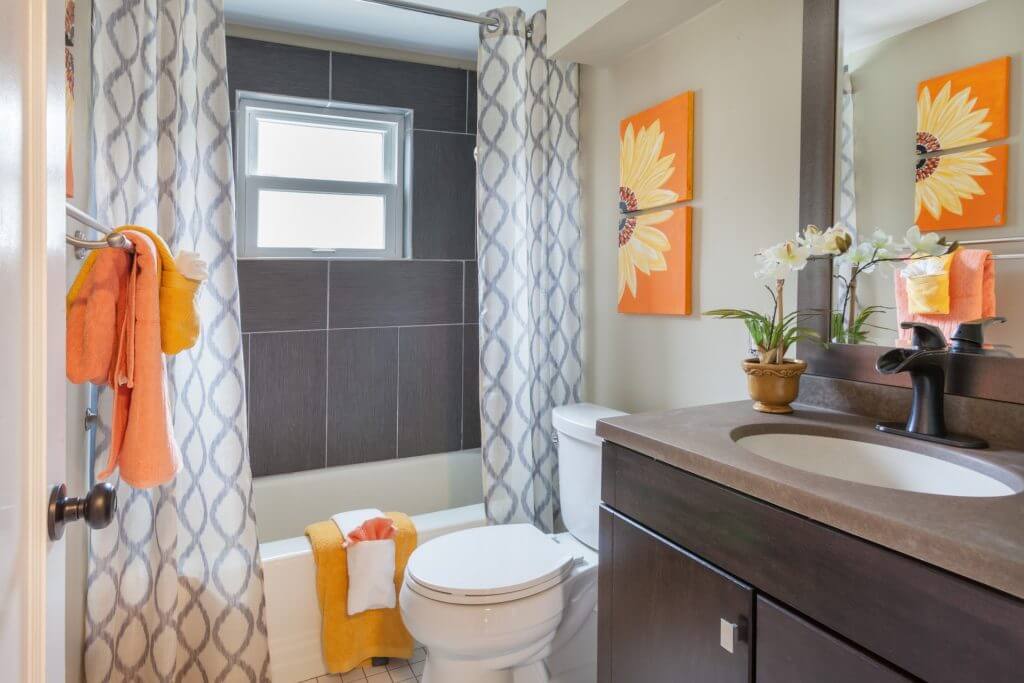
A mid-level remodel mixes better materials with a few upgrades, such as a new bathtub, a modern vanity, or a small layout change. Most homeowners spend $10,000 to $25,000. The extra money buys higher-quality materials and some customization.
High-End Bathroom Remodel
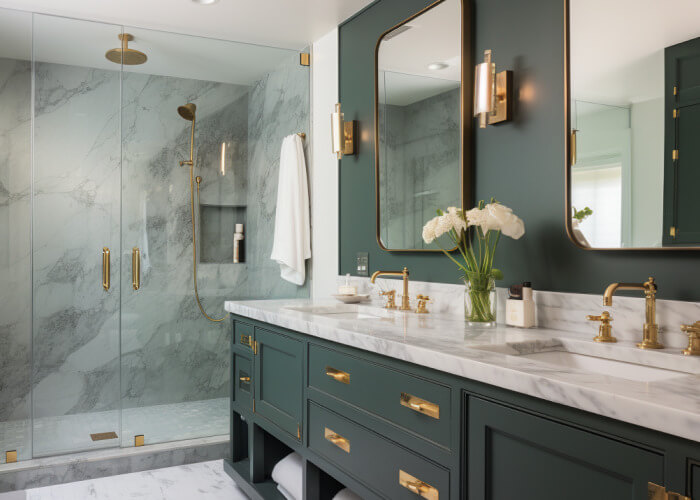
High-end remodels use top-of-the-line materials, custom cabinetry, layout changes, and luxury fixtures. Costs start around $25,000 and can reach $80,000 or more if you expand the room, install natural stone, or add heated floors or a steam shower.
You may see a higher “midrange” figure of about $26,000 in resale reports. That number describes a standardized project, so use it to compare resale returns. We explain the difference in the resale value section.
Bathroom Remodel Cost by Size
Size shapes your costs because larger rooms need more materials and more labor hours. Here are the average costs by bathroom type:
| Bathroom size | Average square feet | Average renovation cost |
|---|---|---|
| Half bathroom | 18 to 32 sq. ft. | $3,000 to $15,000 |
| Full bathroom | 20 to 146 sq. ft. | $5,000 to $20,000 |
| Master bathroom | 40 to 210 sq. ft. | $7,000 to $30,000 |
| Accessibility-friendly bathroom | 20 to 210 sq. ft. | $10,000 to $40,000 |
Cost per square foot
Bathroom remodels cost $70 to $250 per square foot, depending on the finishes and fixtures you choose. Use this table for a rough estimate by room size.
| Bathroom size | Estimated cost |
|---|---|
| 25 sq. ft. | $1,800–$6,300 |
| 40 sq. ft. | $2,800–$10,000 |
| 50 sq. ft. | $3,500–$12,500 |
| 75 sq. ft. | $5,300–$18,800 |
| 100 sq. ft. | $7,000–$25,000 |
Small rooms run higher per square foot than this table suggests. A toilet, sink, and vanity cost the same in a 30-square-foot powder room as in a larger bath, and half bathrooms of that size can reach $15,000. Treat these figures as starting points. Your fixtures, layout, and local labor rates move the total more than square footage does.
Cost by bathroom type
- Half bathrooms and small bathrooms are usually the least expensive projects if you choose affordable materials and fixtures. Our guide to small bathroom remodels has more cost breakdowns.
- Full bathrooms, such as guest bathrooms, cost more than half baths because they include a shower or tub.
- Primary bathrooms tend to be the most expensive projects. Read our guide to primary bathroom remodel costs for details.
- New bathrooms carry a different set of costs than remodeling an existing one. Our guide on how much it costs to add a bathroom is the better fit.
Bathroom Remodel Cost by Location
Labor makes up 40%–65% of a typical remodel, so local wages change your price more than almost anything else. Expect to pay more in large metro areas and places with a high cost of living. Costs can also differ inside one state. In Virginia, for example, areas near Washington, D.C., cost much more than rural parts of the state.
Other local factors can add to your quote:
- Permit fees: These vary by city and county
- Building codes: Some areas require upgraded ventilation or waterproofing
- Contractor demand: Busy seasons and shortages can raise prices
The fastest way to learn your local price is to compare quotes from three to four nearby pros. Browse our contractor directory to see remodelers in your area.
Bathroom Remodel Cost Breakdown by Feature
Costs for each feature add up to your total. This table shows what a standard installation of each one costs, including labor and basic materials.* Upgraded and custom versions cost more, and the tables below show how much.
| Feature | Installation cost (per item) |
|---|---|
| Shower | $452-$2,928 |
| Bathtub | $600-$1,104 |
| Toilet | $480-$941 |
| Sinks | $460-$1,476 |
| Vanities and cabinets | $450-$1,254 |
| Lighting | $46-$126 |
| Mirrors | $75-$137 |
| Paint | $56-$103 (per 100 sq. ft.) |
| Flooring | $576-$1,059 (per 100 sq. ft.) |
*Note: These ranges include the cost of labor and materials. Costs vary by your location and the materials you choose.
Below, you’ll find more detail on each feature.
Showers
A basic shower installation costs $452 to $2,928. Prefab shower kits sit at the low end ($600–$1,800 with labor), while custom showers can pass $10,000 because they take more time to measure, build, and waterproof. The table shows full shower builds by style, including walls and glass.
| Type of Shower | Cost |
|---|---|
| Frameless | $3,985 – $10,980 |
| Semi-frameless | $2,330 – $8,150 |
| Framed | $2,820 – $7,185 |
| Walk-in | $3,170 – $11,495 |
| Corner | $2,895 – $7,955 |
| Double | $1,000 – $10,000 |
| Steam | $2,600 – $14,500 |
Read our guide to shower types to learn what each style involves. If a new shower is your main goal, try our shower remodel cost calculator. Converting a tub to a shower typically costs $1,200 to $3,600 for a basic conversion.


Bathtubs
A basic bathtub installation costs $600 to $1,104 on average. A full replacement, including the new tub, removal, and plumbing adjustments, typically runs $2,000 to $9,400. Your cost depends on whether you’re replacing a tub or installing one in a new spot. Here’s how costs break down by tub type:
| Type of Bathtub | Average Cost |
|---|---|
| Bathtub and Shower Combo | $2,990 – $8,150 |
| Soaking Tub | $3,608 – $4,100 |
| Freestanding Tub | $3,656 – $4,100 |
| Massage Tub | $5,500 – $7,500 |
| Alcove Tub | $1,625 – $2,000 |
| Drop-in Tub | $4,230 – $5,160 |
Our guide to bathtub types explains each style, and our guide to bathtub replacement costs helps you plan your budget.


Countertops
Replacing a bathroom countertop typically costs $400 to $4,300 for labor and materials combined. The table below shows average cost per square foot by material.
| Material | Average Cost per Sq. Ft. |
|---|---|
| Marble | $107 – $196 |
| Granite | $181 – $332 |
| Quartz | $50 – $150 |
| Soapstone | $85 – $150 |
| Tile | $2 – $30 |
| Laminate | $46 – $84 |
| Concrete | $65 – $135 |
| Tempered Glass | $75 – $175 |
| Solid Surface | $40 – $60 |
Our bathroom countertops guide covers all nine materials, with pros, cons, and costs. Sink cutouts and custom edges add to the price, so ask for them as separate line items.
Sinks
Bathroom sinks cost $460 to $1,476 per sink installed, depending on the type.
| Sink Type | Average Cost |
|---|---|
| Drop-in | $50 – $300 |
| Wall-mounted | $100 – $450 |
| Pedestal | $150 – $500 |
| Undermount | $100 – $600 |
| Trough | $300 – $1,500+ |
| Vessel | $80 – $600+ |
The table lists typical prices by sink type, which mostly reflect the sink itself before installation. Visit our bathroom sinks guide to compare sink types.
Cabinets and vanities
Bathroom cabinet and vanity installations cost $450 to $1,254 on average as of 2026. Size, material, and whether the piece is imported can move the price a lot.
| Type | Cost |
|---|---|
| Pre-made four-door base cabinet | $200 – $800 |
| Custom four-door base cabinet | $500 – $2,000+ |
| Single standalone vanity | $250 – $1,200 |
| Double standalone vanity | $800 – $3,500+ |
Our guide to bathroom cabinets and vanities walks through your options.
Toilets
A new toilet costs $480 to $941 on average installed. Replacing an old one adds $47 to $86 for demolition. Wall-mounted and smart toilets cost more. Explore your choices in our guide to toilets.
Flooring
New tile flooring costs $6 to $11 per square foot to install, plus $0.83 to $1.52 per square foot to remove the old tile. Luxury vinyl plank is a popular alternative because it resists water better than wood. Read more about flooring installation costs to see which types fit your budget.
Tile and walls
Ceramic and porcelain tile cost $2 to $30 per square foot for materials alone. Glass and natural stone cost more. Installers charge by the square foot, and small tiles or patterns like herringbone take longer to set, so they raise your labor bill. Shower walls also need proper waterproofing, which is not a place to cut corners.
Accessories and Additional Costs
Accessories let you shape your bathroom around your lifestyle and style. Here are common options and what they cost:
- Lighting. Browse our bathroom lighting options, from canopy lights above cabinets to bathroom chandeliers. Basic fixtures cost about $30 to $200 each ($46–$126 installed), and designer fixtures with new wiring can push a lighting upgrade to $200–$600.
- Paint. You can paint more than walls: doors, cabinets, and trim too. Painting during a remodel typically costs $56 to $103 per 100 square feet. Painting an entire bathroom, including the ceiling and trim, usually runs $150 to $900.
- Mirrors. Mirrors cost $75 to $137 to install. Our bathroom mirror ideas can help you choose.
- Towel bars. A towel bar next to your shower is a cheap, practical add-on at $50 to $91 installed.
- Grab bars. These help prevent slips and falls near the tub or shower and cost $100 to $500 for the bars and installation.
Costs that surprise homeowners
These costs depend on how much work your project involves. Ask your contractor which ones apply to you.
- Plumbing. Moving plumbing lines for a new layout is one of the costliest changes, and a new floor plan typically adds about $5,000 for plumbing and electrical work combined. Standard plumbing work, like swapping a toilet, runs about $100 to $150 per hour.
- Electrical. Many homeowners add or move outlets, fans, and lights. Electricians charge about $100 to $120 per hour, and a new exhaust fan typically costs $240 to $575 installed.
- Permits. Plumbing, electrical, and construction permits usually add up to $100 to $1,000 in total. Costs vary by city, and your contractor can tell you what your project needs.
- Water damage repairs. If you find leaking pipes, condensation damage, or bad drainage once the walls are open, repairs cost about $3.75 to $7 per square foot.
- Design fees. An interior designer charges $50 to $200 per hour. You’ll mostly need one for major layout changes.
- Customizations. Heated floors, heated towel racks ($100–$500), interactive mirrors ($1,000–$2,000), and sound systems all raise your total. Add as many as your budget allows.
Accessibility and aging in place
If you need a safer bathroom, build accessibility into your plan from the start. Depending on your needs, the project may include a wider doorway, a curbless walk-in or roll-in shower, wall-mounted fixtures, slip-resistant flooring, grab bars, or a walk-in tub ($4,000–$12,000). Bathrooms that meet Americans with Disabilities Act (ADA) standards often cost more, but you may find help paying for them:
- Medical expense deduction for medically necessary changes (only amounts above 7.5% of your adjusted gross income count)
- Home Improvements and Structural Alterations (HISA) grants for eligible veterans
- Local Area Agency on Aging programs that offer loans or grants
Rules and limits change, so confirm details with a tax professional or the program directly.
Labor Cost to Remodel a Bathroom
Your total cost is the price of your materials and fixtures plus labor and installation. Labor typically makes up 40%–65% of a bathroom remodel, and each feature takes a different amount of time to install.
Professional bathroom remodel labor and installation has a national average cost of $75 per hour as of 2026.
Specialists cost more than general labor. Most plumbers in our data charge $100 to $150 per hour, and electricians charge $100 to $120. Here are typical rates across the country:
| Pro | Typical rate |
|---|---|
| General contractor | 10%–20% of project cost |
| Plumber | $45–$200 per hour |
| Electrician | $50–$200 per hour |
| HVAC technician (for vents and fans) | $100–$250 per hour |
| Interior designer | $50–$200 per hour |
A general contractor usually coordinates all of these pros, which is why their fee is a percentage of your total.
Demolition Cost
Most remodels start with demolition. Contractors often quote demolition and prep for the whole room as one line item, typically $1,000 to $2,300. Use that number for your budget. The table below breaks out labor for individual pieces (about $50 per structure on average), and disposing of a small load of waste costs $30 to $120. Hauling away a whole bathroom’s worth of old tile, flooring, and fixtures with a junk removal service costs about $100 to $800.
| Bathrom feature | Demolition cost range | Average demolition cost |
|---|---|---|
| Tub or shower | $59-$108 per unit | $83 per unit |
| Toilet | $47-$86 per unit | $66 per unit |
| Flooring | $83-$152 per 100 sq. ft. | $118 per 100 sq. ft. |
| Cabinets | $286-$552 per 40 linear ft. | $406 per 40 linear ft. |
| Countertops | $86-$158 per 10 linear ft. | $41 per 10 linear ft. |
Demolition is unavoidable when you renovate an existing bathroom, so build it into your budget. Confirm that your quote includes demolition and haul-away. If your home was built before 1978, also ask whether your contractor is lead-safe certified. Our guide to bathroom demolition explains the process and costs in more detail.
How Long Does a Bathroom Remodel Take?
Most bathroom remodels take two to six weeks once work starts. A cosmetic refresh can take just a few days, while a full remodel with plumbing changes can run six weeks or longer. The clock starts earlier than demolition day, though. Planning, permits, and material orders can add weeks before the first hammer swings.
| Stage | Typical time |
|---|---|
| Planning and design | Two to six weeks |
| Ordering materials | One to 12 weeks (custom items take longest) |
| Demolition | One to three days |
| Rough plumbing and electrical | Two to five days |
| Waterproofing, tile, and curing | Seven to 10 days |
| Fixtures, flooring, paint, and inspection | Several days |
What causes delays
- Hidden damage, like mold or leaks, found after demolition
- Custom vanities, tile, or glass with long lead times
- Permit and inspection backlogs
- Changes to your plan after work begins
Order your materials before demolition starts, and ask your contractor for a written schedule. If this is your only bathroom, plan for where you’ll shower and use the toilet during the project.
Is a Bathroom Remodel Worth It?
For most homeowners, a midrange remodel is. According to the 2025 Cost vs. Value Report, a midrange bathroom remodel recoups about 80% of its cost at resale. That’s the highest return for this project since 2007. At our $12,115 average and an 80% return, you’d add roughly $9,700 in home value.
| Remodel type | Share of cost recouped at resale |
|---|---|
| Midrange | About 80% |
| Universal design (accessible) | About 61% |
| Upscale | About 42% |
The report prices a standardized project, with a midrange cost of $26,138 and $20,910 in added value. That’s higher than the $12,115 average on this page because the report uses a set scope of work that differs from the typical homeowner project. Use the percentages to compare return on investment (ROI), and use the cost tables on this page to build your budget.
Upgrades buyers value most
- Fixing leaks, mold, and water damage
- A new vanity, updated lighting, and fresh tile
- A walk-in shower (keep at least one tub in the home if you can, since some buyers want one)
Luxury finishes return less than midrange ones because buyers rarely pay full price for them. If you plan to sell within a few years, stick with neutral, durable materials.
Reasons to remodel
- Resale value: A midrange remodel recoups about 80% of its cost at sale
- Better function: New layouts, storage, and lighting make daily routines easier
- Safety: Grab bars, walk-in showers, and slip-resistant floors reduce fall risk
- Lower bills: Low-flow toilets and LED lighting cut water and energy use
Reasons to wait
- Upfront cost: Even a midrange project often costs $10,000 or more
- Disruption: You may lose bathroom access for weeks, with noise and dust
- Surprises: Demolition can uncover leaks, mold, or outdated wiring
- Higher taxes: A higher home value can raise your property tax bill
Your local assessor’s office can estimate how much your property taxes might rise after a remodel.
Professional vs. DIY
If you’re a very handy homeowner deciding between hiring a pro and doing the work yourself, weigh these pros and cons:
Hire a Pro
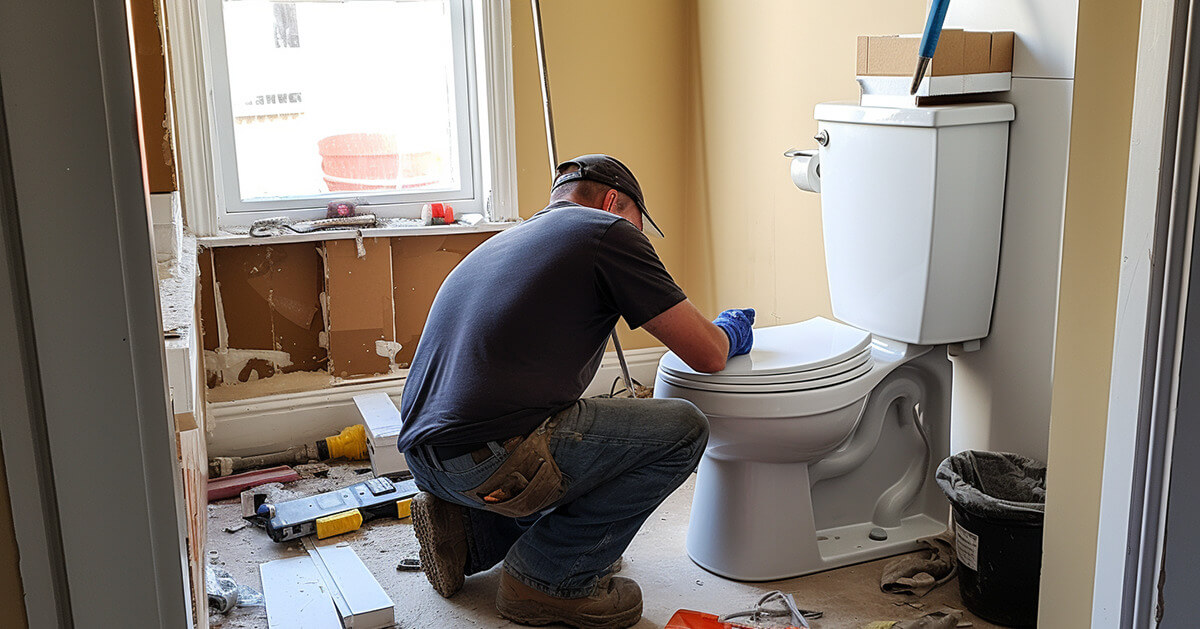
- Faster timeline: Crews work in sequence and finish sooner than most DIYers
- Permits handled: Your contractor pulls permits and schedules inspections
- Specialists included: Subcontractors cover plumbing and electrical work
- Higher cost: Labor makes up 40%–65% of a typical remodel
- More vetting: You need to compare quotes and check licenses and references
DIY

- Lower cost: You pay only for materials, permits, and any rentals
- Flexible pace: Buy and install items as your schedule and budget allow
- Equipment rentals: Tile saws and demolition tools can add up quickly
- Subcontractors: You may still need a licensed plumber or electrician
- Code knowledge: You need to understand local building codes and permit rules
A DIY bathroom remodel can cost $2,000 to more than $10,000. Mistakes can erase your savings, especially with waterproofing, since a leak behind a wall can cost more to fix than the original job.
What can you DIY?
Unless you’re a pro, your list will be short. You don’t want to damage a plumbing line or build a feature that isn’t watertight. You can likely handle these tasks:
- Installing faucets, showerheads, and other hardware.
- Painting the walls.
- Sanding and painting existing cabinets (refacing is another good way to save).
- Clearing out décor and protecting nearby rooms before demolition.
Ask the contractors you get quotes from whether there are other small jobs you could take on to save.
How to Budget for Your Bathroom Remodel
- List needs and wants. Leaks, cracked tile, and mold come first. Heated floors can wait.
- Choose your scope. Decide whether you’re doing a renovation in your current layout or a remodel that moves plumbing.
- Price each feature. Use the tables on this page to add up your shower, vanity, toilet, flooring, and labor costs.
- Get three to four written quotes. Ask for line items covering demolition, permits, materials, labor, and cleanup, plus separate prices for your nice-to-haves.
- Add a 15% cushion. Hidden damage turns up in many remodels, and a cushion keeps you from cutting scope halfway through.
- Pick your payment plan. Compare financing options before you sign a contract.
How to Save Money on a Remodel
You can remodel a bathroom within almost any budget. Some of the biggest cost drivers are outside your control, but you can manage others.

What drives your remodel cost
- Your home’s location and local labor costs. You can’t change this, so learn your local prices before you start.
- The size of the bathroom. You can’t change this either, but you control what gets remodeled and at what cost.
- Your layout. One of the best ways to save is to keep the existing layout.
- Your materials. You can get a beautiful bathroom without marble floors or hand-crafted tile.
- Accessibility needs. If you need non-slip flooring, a walk-in tub, or a walk-in shower, keep those as must-haves.
- Surprises after demolition. You won’t know what’s under your floors or inside your walls until they’re open. Read about hidden bathroom remodeling costs on our blog.
Consider what you want vs. what you need
Before you collect quotes, list the features you plan to remodel and sort them into needs and wishes. Some areas may be damaged or leaking and need attention now. Your flooring, on the other hand, might only need a deep clean instead of a full replacement.
Ask contractors to price your nice-to-haves as separate line items so you can see what you’d save by cutting them.
Where quality matters less
Your bathroom should feel high-end, but not every piece needs a top price. Consider saving on:
- Accessories like towel racks and mirrors.
- Hardware like faucets and showerheads.
- The shower pan.
A simpler tile shape (rectangular instead of hexagonal) and pattern (offset instead of herringbone) also cut labor costs.
More ways to save
- Keep your layout. Moving plumbing adds about $5,000, so working around existing pipes saves money.
- Refinish instead of replacing. Reglazing a tub or refacing cabinets costs less than new ones.
- Compare multiple professionals. Talk to three to four remodelers. Vetting several contractors helps you find the most qualified pro and the best price.
- Evaluate quotes closely. Quotes have many line items, so understand each one before you hire.
- Negotiate. Many homeowners don’t know they can. Our tips for negotiating costs can help.
- Check warranties. Manufacturers and contractors both offer warranties. Compare what each one covers, because a good warranty can save you money later.
“We recommend setting 15% of your remodeling budget aside for hidden issues and emergencies. This way, you will not have to sacrifice your vision for the bathroom project by needing to allocate budget towards these necessary repairs.”
– Gregg Hicks, VP of Modernize
How to Pay for a Bathroom Remodel
If you don’t have the cash on hand, you have several options. Compare the total cost of each one, including interest and fees.
- Savings: No interest or fees, but it can drain your emergency fund
- Home equity loan or home equity line of credit (HELOC): Often lower rates, but your home secures the loan
- Personal loan: Quick funding with no collateral; rates are usually higher
- Contractor financing: Convenient, but check for deferred interest when promotional rates end
- Cash-out refinance: Fits large projects, but it replaces your whole mortgage
For projects under $10,000, savings or a short-term loan usually beats borrowing against your home. Homeowners insurance may help if a sudden accident or storm damages your bathroom, but it doesn’t cover a planned remodel.
The Final Word on Bathroom Remodel Costs

The average bathroom remodel costs $12,115, but your price depends on your scope, materials, and local labor rates. Set a budget, keep a 15% cushion, and compare quotes before you commit. Modernize can help you plan at every step. Here’s where to go from here:
- Visit our bathroom remodel guide to explore every element your remodel could include.
- Use our bathroom remodel cost calculator to estimate your project.
- Tap into our network of experienced bathroom remodelers to start gathering quotes.
You can also explore our contractor directory to see pros in your area. Or let us do the searching: click below, answer a few questions, and we’ll connect you with up to three to four remodelers who fit your project, so you can compare prices and find the right pro.
Find the best bathroom remodel pros in your area.
Sources: Modernize national cost data; ROI figures from the 2025 Cost vs. Value Report; tariff information from Sandler, Travis & Rosenberg (ST&R). Prices are national averages and vary by location, materials, and scope.