Ready to start your project?
Enter your ZIP to find local pros.
Flooring
Best Waterproof Flooring Options for Every Room (2026)
On this page
Waterproof vs. water-resistant flooring
Best waterproof flooring types & product recommendations
Waterproof flooring recommendations by room
Waterproof flooring is designed to stop water from getting through the surface and into the core, which helps prevent swelling, warping, and mold caused by moisture. Not all products labeled as water-resistant offer this level of protection. This difference is important, especially in bathrooms, basements, and laundry rooms where water and humidity are common. This guide covers the best waterproof flooring for each room, what these options cost, and which products fit different budgets.
Get matched with the best flooring pros in your area.
We help homeowners make confident decisions through our reliable, up-to-date, and unbiased information and average project costs. All of our content is thoroughly reviewed and fact-checked by our team of home improvement experts. Learn more about how we maintain these values.
Waterproof vs. Water-Resistant Flooring: What’s the Difference?
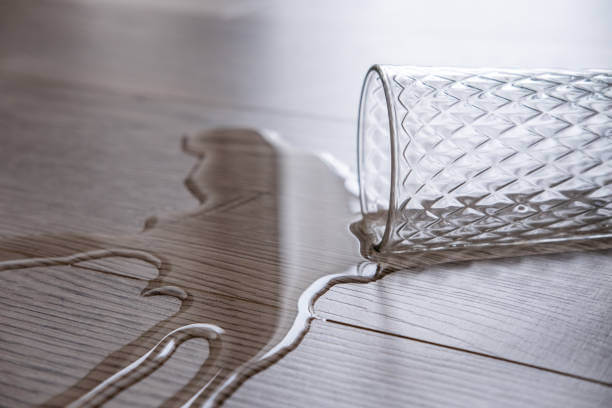
Waterproof flooring will not absorb water or allow it to seep through to the core, even with prolonged exposure. It can handle standing water, flooding, and high humidity without structural damage.
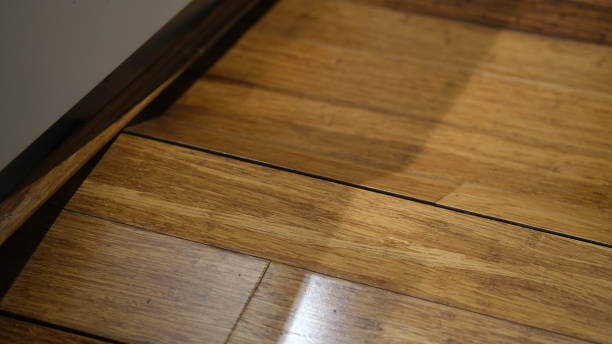
Water-resistant flooring can handle spills and splashes if you clean them up quickly, but long exposure to moisture, especially at seams and edges, will cause damage over time. Laminate is the most common example. It handles kitchen spills well but can swell and buckle if water sits in the seams overnight or if humidity stays high.
In short, water-resistant flooring works for kitchens, dining rooms, and living areas. For bathrooms, basements, laundry rooms, and any space below ground, you should use truly waterproof flooring.
Best Waterproof Flooring Types
These flooring types offer the best moisture protection for homes, but each one works better in certain spaces and budgets.
Best for: Bathrooms, kitchens, basements, laundry rooms
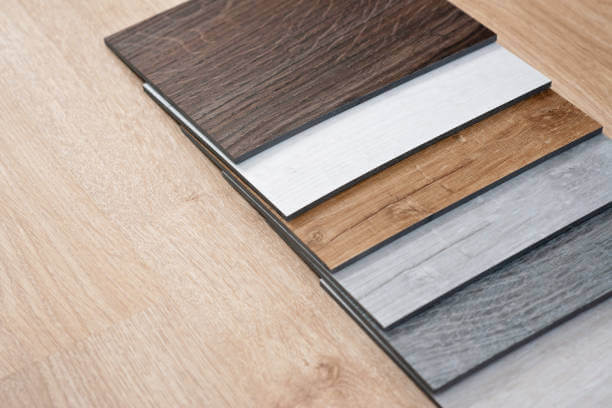
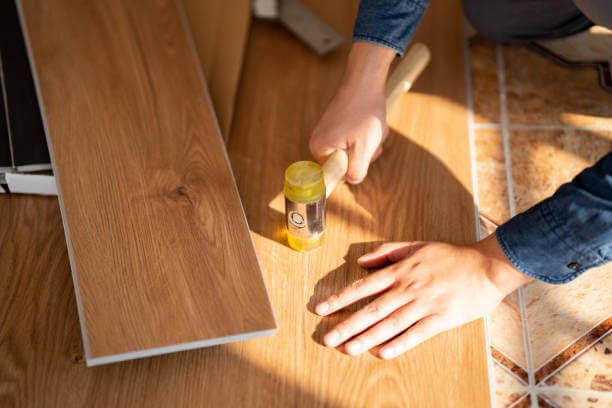
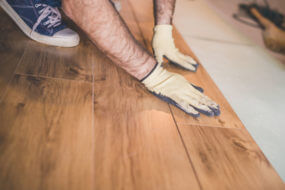
LVP is the most popular waterproof flooring for homes for good reason. It is fully waterproof all the way through, so it works in any room, even below ground. LVP looks a lot like hardwood or stone, installs as a floating floor with a click-lock system, and does not expand or contract with humidity like real wood.
The most important feature to check is wear layer thickness. A 6-mil wear layer is fine for low-traffic bedrooms. For kitchens, hallways, and homes with pets, look for at least 12 mil. Commercial-grade 20-mil products last longer than most other flooring used in homes.
Premium LVP uses either a WPC (wood-plastic composite) or SPC (stone-plastic composite) core. WPC feels softer underfoot, which is helpful in kitchens where you stand often. SPC is denser and more stable, making it better for basements or rooms with large temperature changes.
COREtec Plus Enhanced ($3.80 to $7 per square foot) has a cork underlayment core that makes it quieter and more comfortable to walk on.
If you are on a budget, LifeProof at Home Depot ($2 to $4 per square foot) offers good waterproofing and a 12-mil wear layer at a lower price.
2. Porcelain and Ceramic Tile
Cost installed: $6 to $38 per square foot, depending on material
Best for: Bathrooms, kitchens, laundry rooms, entryways
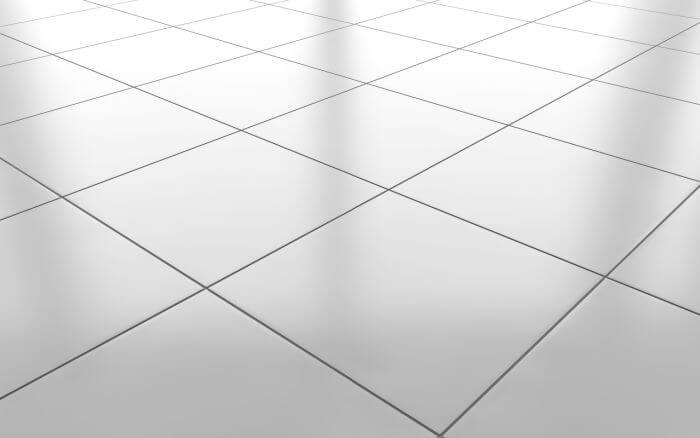
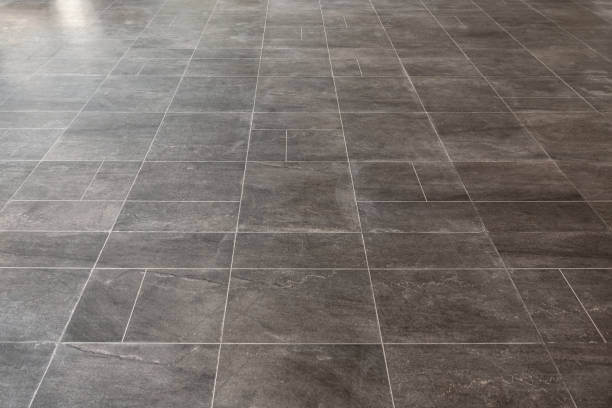
Tile has long been a go-to waterproof flooring choice. Both porcelain and ceramic are fired at high temperatures, which makes them dense and nonporous so water cannot get through. When installed with a waterproofing membrane and sealed grout, tile floors in bathrooms or showers can last longer than almost any other flooring.
Porcelain is harder and less porous than ceramic, so it is better for floors with heavy foot traffic or for outdoor use. Ceramic is a bit softer, easier to cut, and costs less, so it works well on walls or in areas with less traffic.
Grout is the weak spot in any tile floor.
Cement grout: porous and needs to be sealed after installation, then resealed every one to three years
Epoxy grout: costs more and is harder to install, but it is nonporous, resists stains, and does not need sealing
One downside is that tile feels cold and hard underfoot, so it is less comfortable in living rooms and bedrooms. Adding radiant heat can solve the cold problem, but it also increases the cost.
Product to Consider
Daltile Remedy Porcelain ($2 to $5 per square foot for materials) is a reliable porcelain tile found at most tile retailers. It is durable, widely available, and competitively priced.
For high-end bathrooms, Marazzi Developed by Nature ($4 to $8 per square foot for materials) offers realistic stone visuals with full porcelain performance.
3. Stone-Plastic Composite (SPC) Flooring
Cost installed: $5 to $12 per square foot
Best for: Basements, kitchens, high-traffic areas, rooms with temperature swings
SPC is a type of LVP, but it stands out because it performs differently from regular PVC-core vinyl. Its core is made from limestone powder and PVC, which makes it very dense and rigid. This means it stays stable and does not expand or contract with changes in temperature or humidity like wood-core floors do.
This makes SPC one of the best floating floors for basements, three-season rooms, and any area where temperatures change a lot. SPC is harder underfoot than WPC, so if you want more comfort, choose WPC. If you need more stability and durability, SPC is the better option.
Product to Consider
Flooret Modin Rigid ($3 to $6 per square foot for materials) gets strong reviews for its realistic texture and stability. Shaw Floorté Pro 7 ($3 to $6 per square foot for materials) is widely available and offers a 20-mil wear layer at a mid-range price, making it one of the better values for wear layer thickness.
4. Ceramic- and Porcelain-Look Waterproof Vinyl Tile (LVT)
Cost installed: $5 to $12 per square foot
Best for: Bathrooms, laundry rooms, kitchens
Luxury vinyl tile (LVT) is the tile-shaped version of LVP. It has the same waterproof, multi-layer construction but comes in square or rectangular tiles instead of planks. LVT looks like ceramic, stone, or concrete tile, but it is not as cold or hard underfoot and does not require grout maintenance like real tile.
For homeowners who want a tile look in a bathroom or laundry room but are concerned about cold floors or grout upkeep, LVT is a practical middle ground. It is fully waterproof, softer and warmer underfoot than real tile, and much easier to install.
The downside is appearance. LVT does not match the depth and variation of real stone tile as closely, and the grout lines are usually printed instead of real, so they look less realistic up close.
Product to Consider
Mannington Adura Max Apex ($3 to $6 per square foot for materials) uses a thick attached underlayment that noticeably improves comfort and sound dampening compared to standard LVT. This feature stands out for installations above concrete slabs.
5. Epoxy Flooring
Cost installed: $3 to $12 per square foot
Best for: Basements, garages, laundry rooms
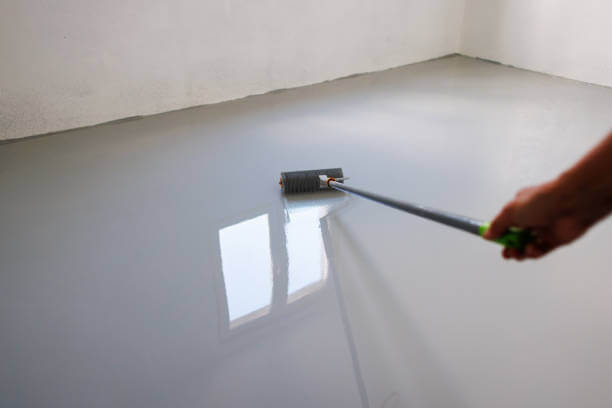
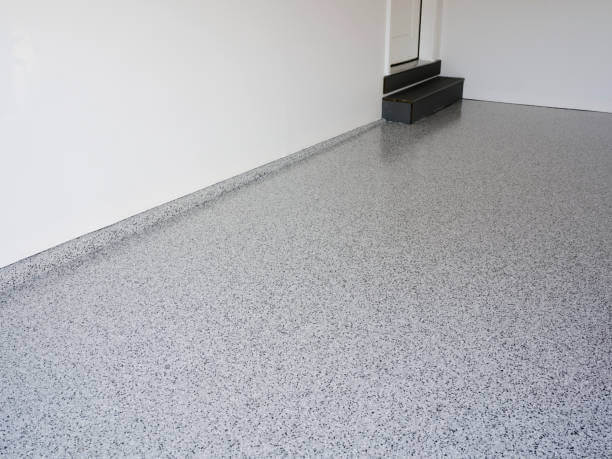
Epoxy is a resin coating that goes directly on top of a concrete subfloor. It creates a seamless, nonporous surface that is completely waterproof and resists chemicals, stains, and scratches. While it is often used in garages, more homeowners are now choosing epoxy for basements and laundry rooms where a tough, easy-to-clean floor matters more than appearance.
The main advantage of epoxy over tile and LVP in utility spaces is that it has no seams or grout lines where water can get in. Epoxy also reflects light, which can help make a basement feel much brighter.
There are some downsides to epoxy:
It feels hard and cold underfoot
It can be slippery when wet unless you add a non-slip additive
Can only be applied to concrete, not installed as a floating floor
If the concrete is not ready or remains damp, the epoxy can peel within a year
Product to Consider
Rust-Oleum RockSolid is a widely available, DIY-friendly epoxy floor coating system rated for basements and garages.
For professional use, polyurea floor coatings cost more but cure faster and are more flexible than standard epoxy. This added flexibility can reduce the risk of cracking over time.
6. Waterproof Laminate
Cost installed: $5 to $12 per square foot
Best for: Kitchens, living rooms, moderate-moisture areas
Waterproof laminate is a newer type of flooring that addresses the main weakness of regular laminate: its wood-fiber core swells when it gets wet. Waterproof laminate uses a sealed or plastic-reinforced core that helps keep water from getting in at the seams.
It is important to be clear about what waterproof laminate really means. The top layer is water-resistant, and the core handles moisture better than regular laminate, but long-term flooding or high humidity can still cause problems. Waterproof laminate is a big improvement for areas with occasional moisture, but it is not a full replacement for LVP or tile in bathrooms and basements.
The main advantage of waterproof laminate over LVP at this price is appearance. Waterproof laminate often looks more realistic up close than LVP at the same price, thanks to its textured surface and rigid core. For kitchens and living rooms with only occasional moisture, it is a good choice.
Pergo Extreme ($3 to $6 per square foot for materials) uses sealed core-edge technology and is one of the more rigorously tested waterproof laminate products on the market.
AquaGuard at Floor & Decor ($2 to $5 per square foot for materials) is a strong budget option with good availability.
Local flooring pros can recommend the best options for your space. Get quotes and compare prices today.
The best waterproof flooring depends on how much moisture the room sees, how much comfort you want, and whether easy maintenance matters more than appearance.
Bathroom
Top pick: Porcelain tile or LVP/LVT
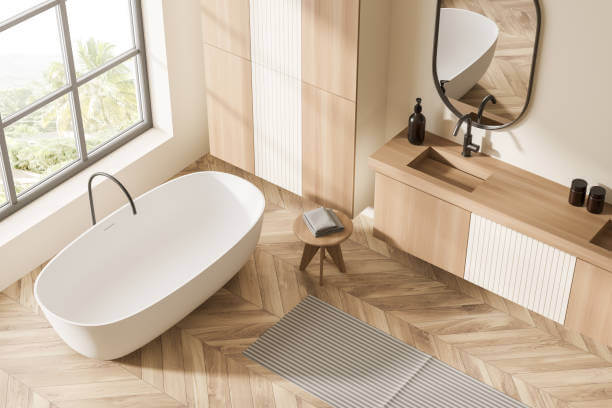
Bathrooms need flooring that is truly waterproof, not just water-resistant. Porcelain tile with epoxy grout is the most durable and moisture-resistant option when installed with a waterproofing membrane. LVP is a more comfortable and DIY-friendly choice because it is fully waterproof, warmer underfoot, and easier to install without hiring a contractor. Do not use laminate or engineered hardwood in full bathrooms, no matter what their moisture ratings are.
Kitchen
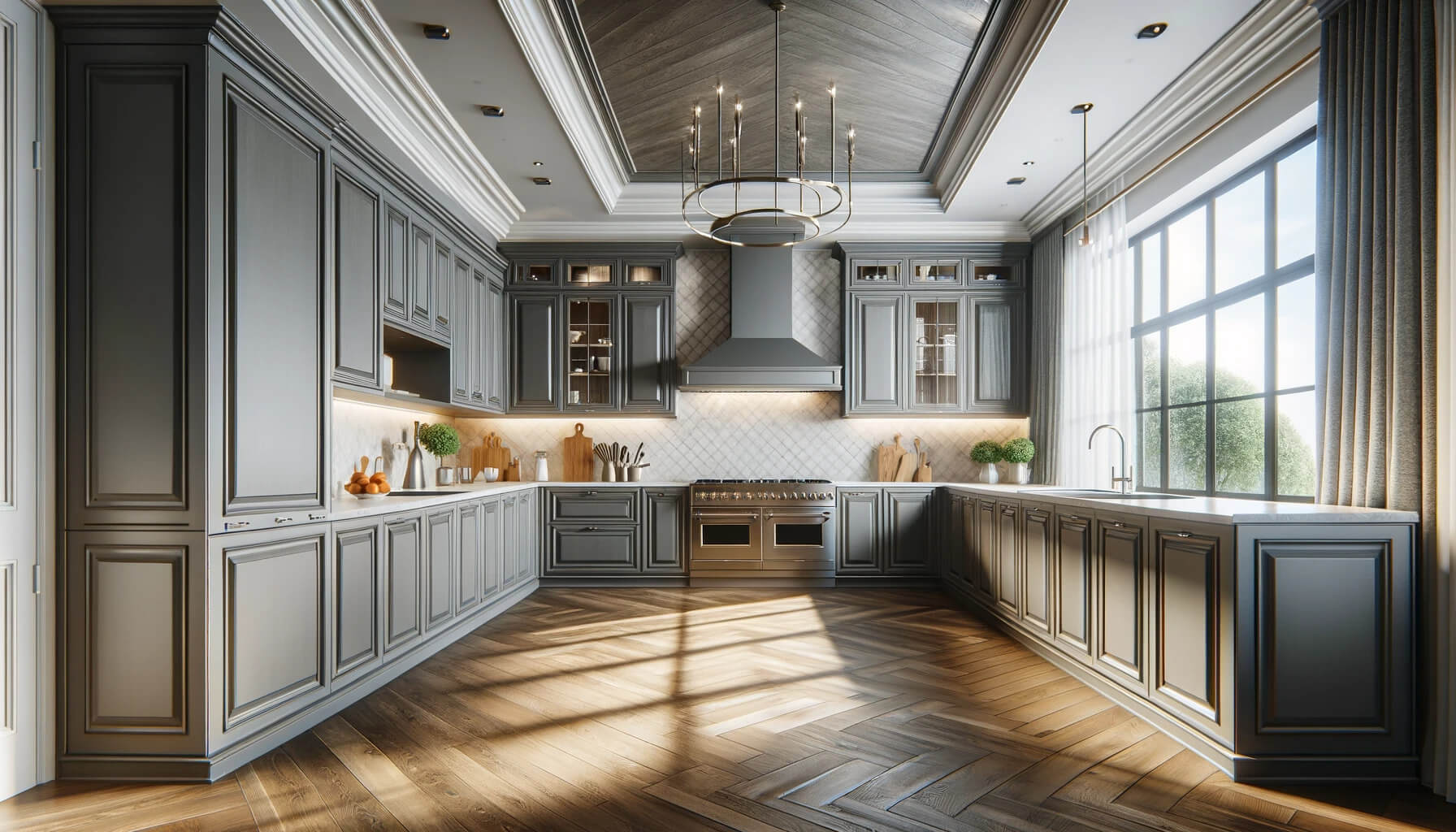
Top pick: LVP or porcelain tile
Kitchens often have spills and humidity but usually do not have standing water, so both LVP and porcelain tile are good choices. LVP with a WPC core is more comfortable if you stand for long periods and is easier to install. Tile is more durable and handles heat better near stoves. Waterproof laminate is also a good option for kitchens if you prefer the look of laminate and clean up spills quickly.
Basement
Top pick: SPC flooring or epoxy
Basements are the most challenging rooms for moisture because they are below ground and face ground moisture, changing humidity, and sometimes flooding. SPC flooring handles these conditions better than most other floating floors and stays stable even when temperatures change. Epoxy is the best choice for utility basements where durability and easy cleaning matter more than appearance.
Laundry Room
Top pick: Porcelain tile or LVT/LVP
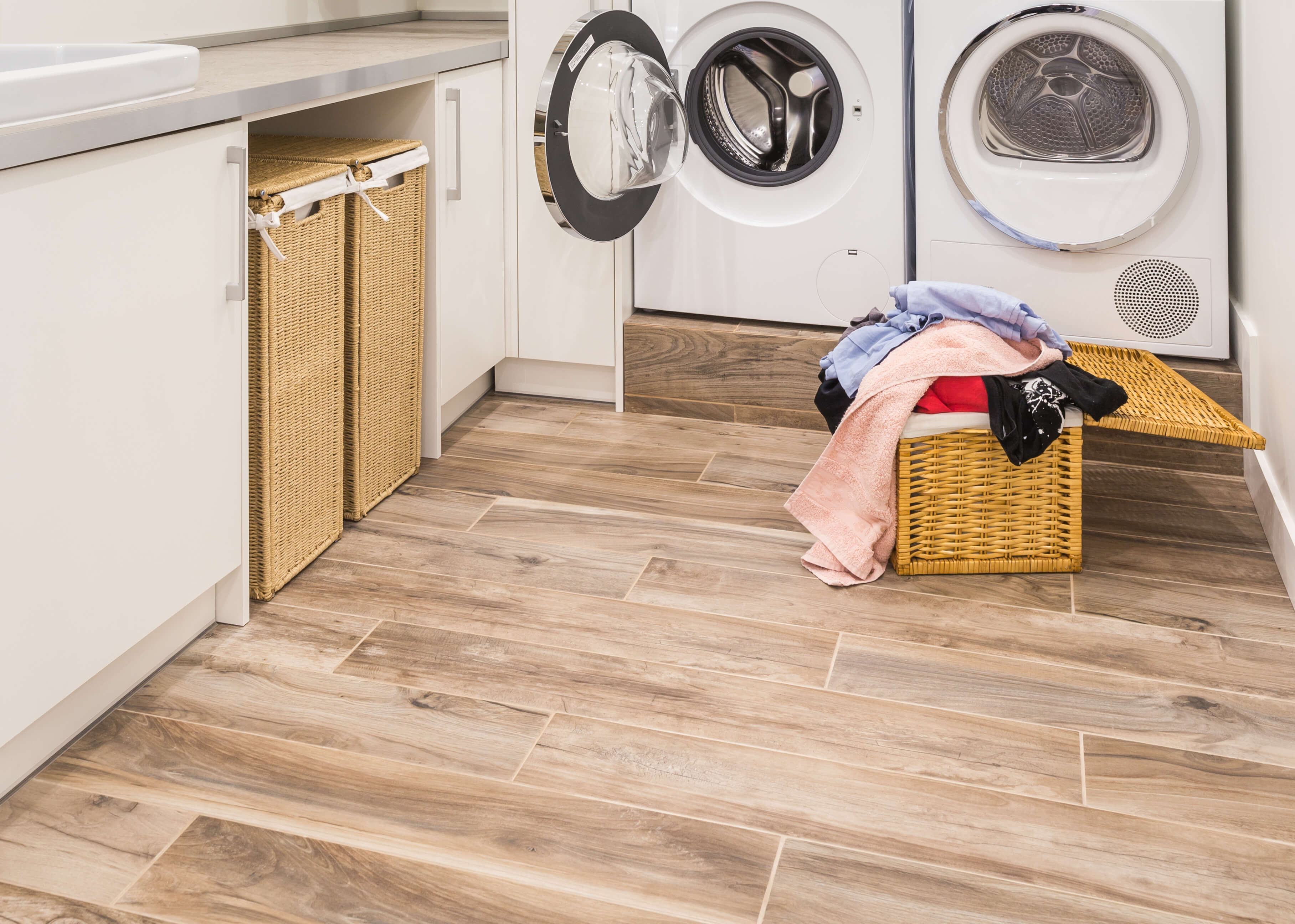
Laundry rooms are small spaces with a lot of moisture from leaks and humidity. Porcelain tile is the most durable option. LVT or LVP are warmer and more comfortable choices that also cost less to install. Do not use laminate or standard vinyl in laundry rooms.
Entryway and Mudroom
Top pick: Porcelain tile or SPC
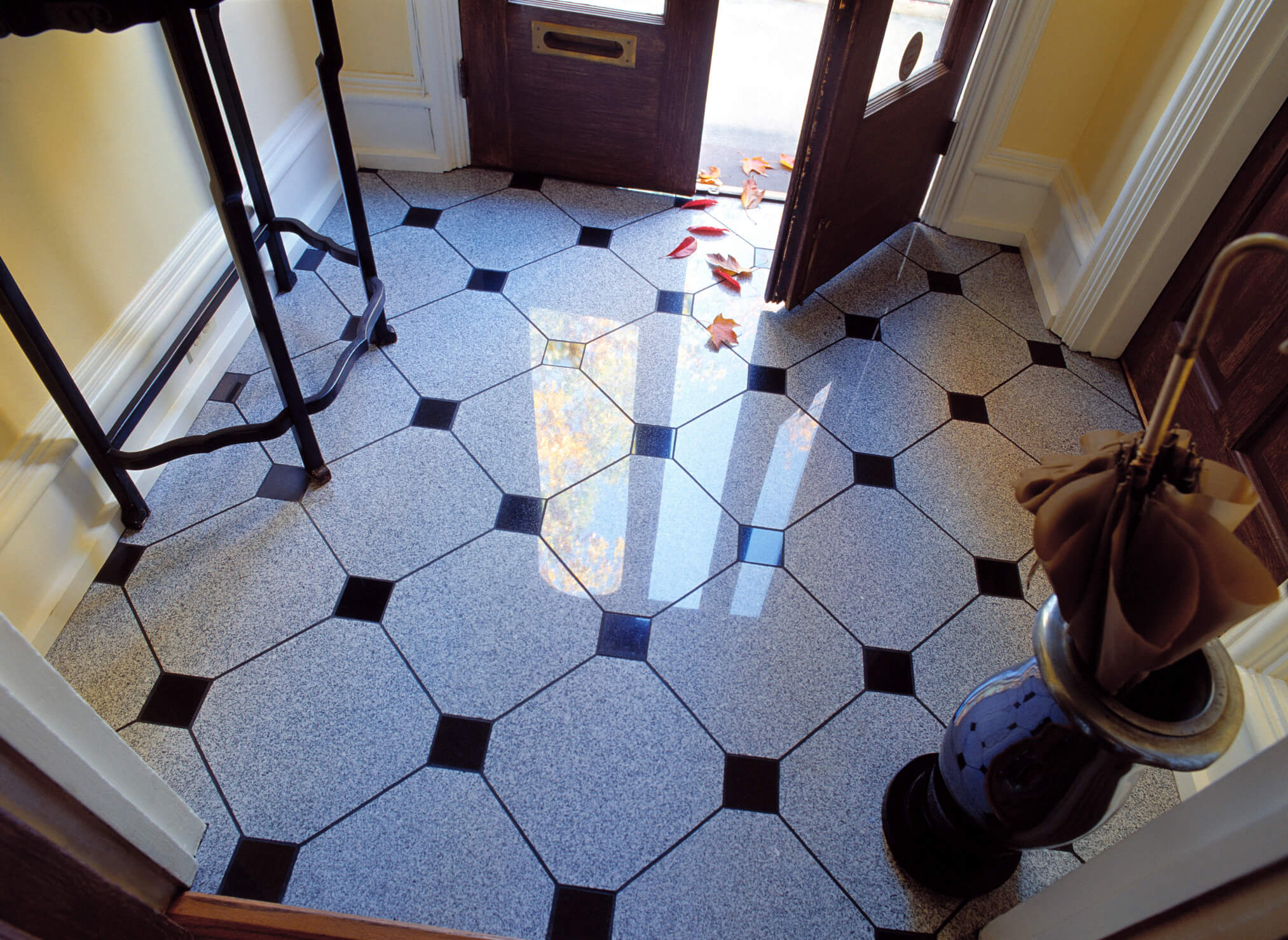
Entryways get a lot of wear from wet shoes, dirt, and heavy foot traffic. Porcelain tile is the most durable and easiest to clean. SPC is a warmer and more comfortable option that also handles moisture and traffic well.
Waterproof Flooring Cost Comparison
This table compares the most common waterproof flooring options by material cost, installed price, lifespan, and DIY difficulty.
Flooring type
Material cost (per square foot)
Installed cost (per square foot)
Lifespan
DIY-friendly?
LVP / LVT
$2 to $10
$6 to $16
15 to 30 years
Yes
SPC flooring
$3 to $7
$5 to $12
20 to 30 years
Yes
Porcelain tile
$3 to $10
$8 to $18
30+ years
Moderate
Ceramic tile
$1 to $5
$6 to $13
20 to 30 years
Moderate
Waterproof laminate
$2 to $6
$5 to $12
15 to 25 years
Yes
Epoxy (concrete only)
$1 to $4
$3 to $12
10 to 20 years
Moderate
These estimates are based on national contractor pricing data and industry cost averages from sources like Angi, HomeAdvisor, and flooring professionals.
Not every flooring type works in a bathroom, basement, or laundry room, no matter what the marketing says. These materials are the most likely to fail when exposed to regular moisture.
Solid Hardwood
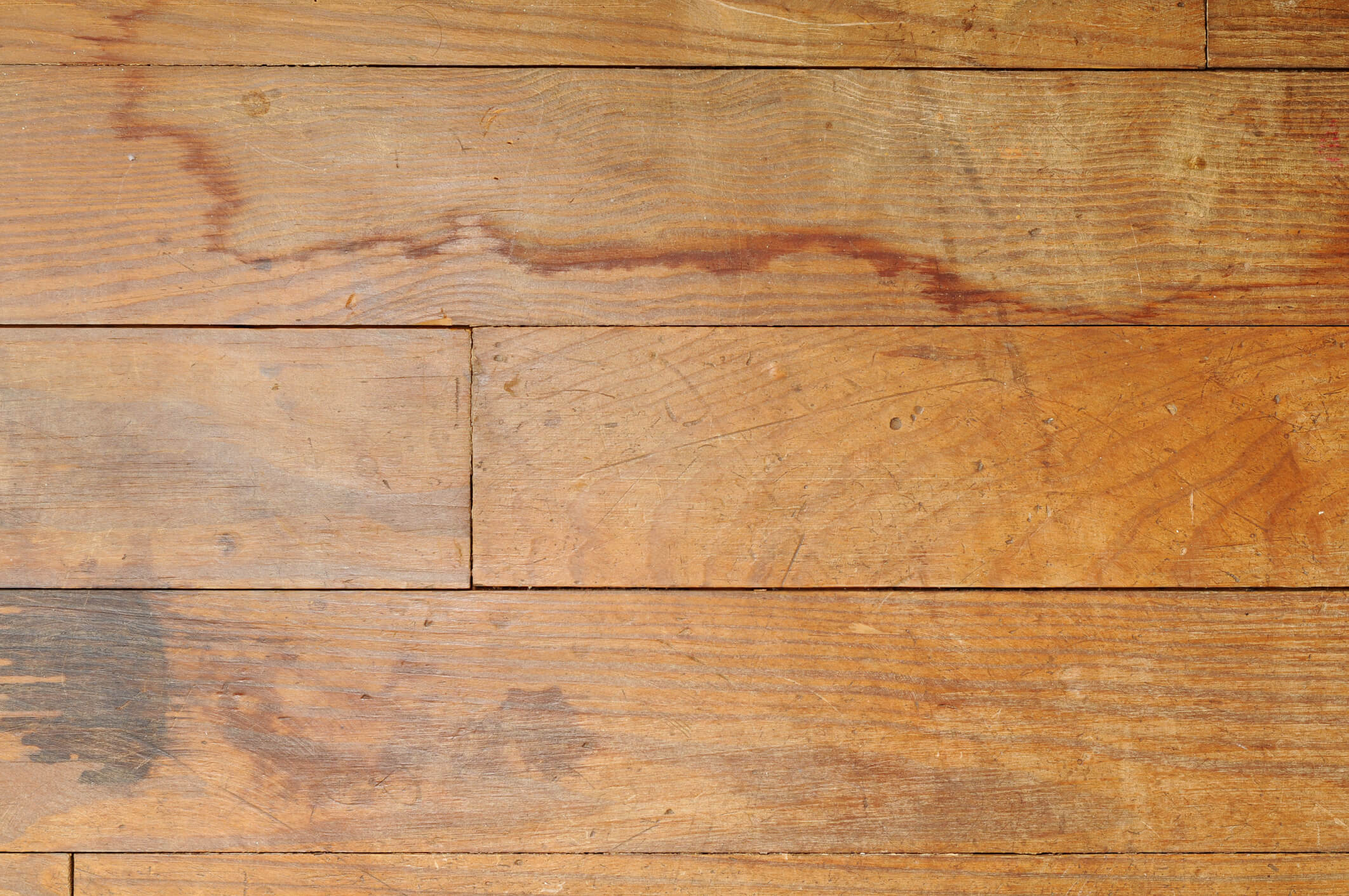
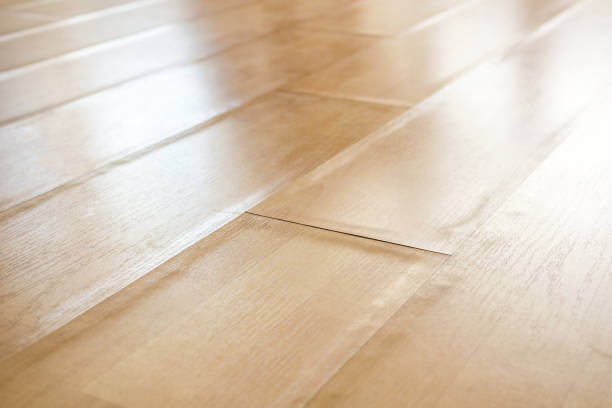
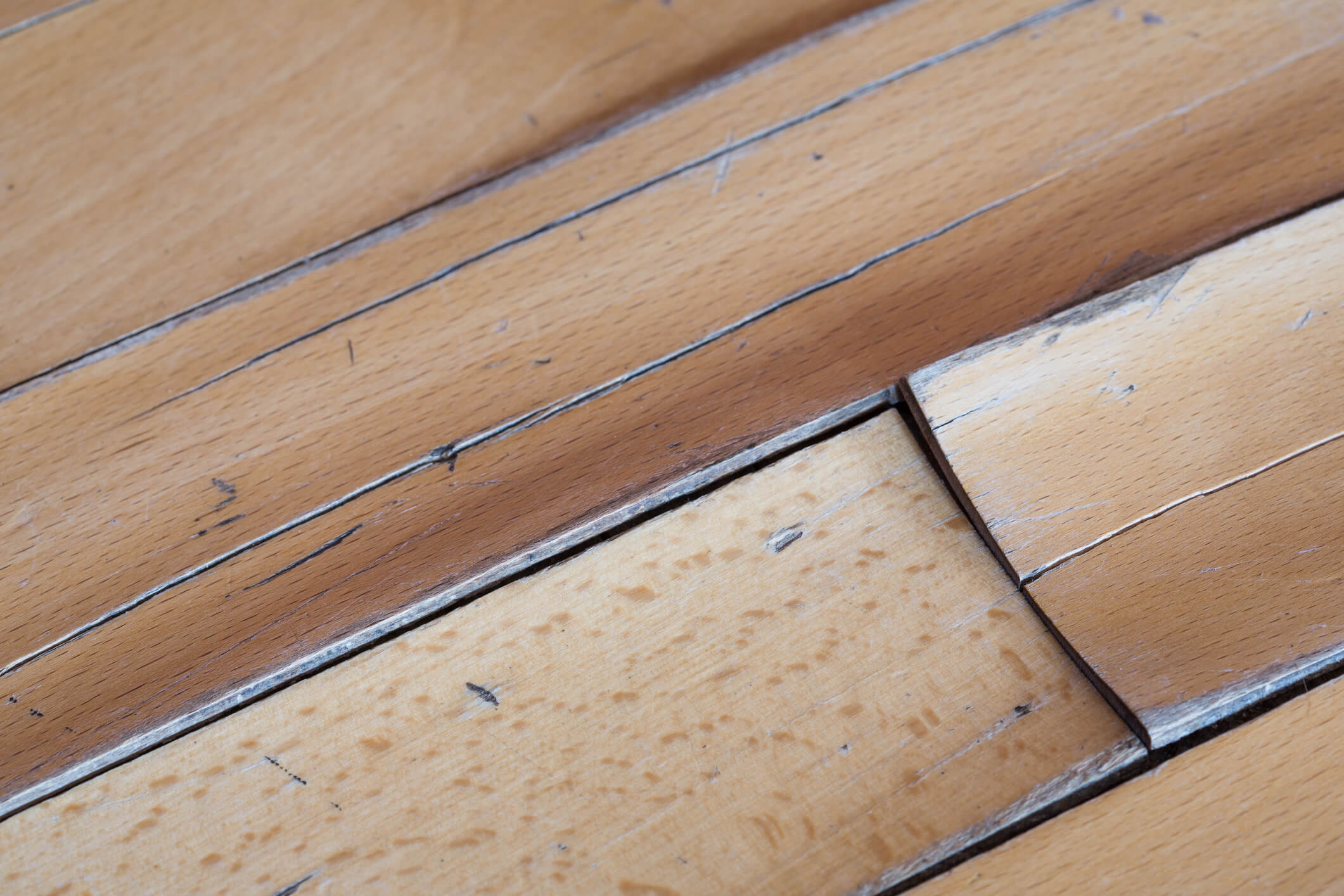
Hardwood is the most sensitive flooring when it comes to moisture. Real wood expands when it gets wet and shrinks when it dries, and this repeated movement causes warping, cupping, and gaps.
Even in kitchens, which some hardwood manufacturers technically approve, a slow leak under a dishwasher or refrigerator can ruin a hardwood floor before you notice it. Never install solid hardwood in bathrooms, basements, or laundry rooms.
Standard Laminate
This is the next most vulnerable option. Its high-density fiberboard core absorbs water easily once it gets past the surface, and swelling at the seams cannot be fixed. Damaged planks must be replaced.
Even products labeled splash-proof or moisture-resistant are not safe for bathrooms or below-ground spaces. Waterproof laminate, as discussed earlier, improves on this problem but still is not ideal for full bathrooms.
Engineered Hardwood
Engineered hardwood handles humidity better than solid hardwood because its plywood core is more stable, but it is still not waterproof. It can work in kitchens if spills are cleaned up quickly, but it is not suitable for basements or bathrooms unless the manufacturer specifically approves it. Most do not.
Carpet
Carpet is the worst option for areas with regular moisture. It absorbs water, holds humidity, and creates conditions that encourage mold and mildew, often inside the padding where you cannot see or smell the problem until the damage is severe.
Most flooring professionals strongly advise against carpet in bathrooms. In basements, it is a risky choice that often leads to problems.
Cork and Bamboo
Cork and bamboo are natural materials that can handle some humidity but are not waterproof. They are better suited for living rooms and bedrooms than for kitchens or bathrooms. Sealed cork performs better than unsealed cork, but neither should be used in laundry rooms or below-ground spaces.
What to Look for When Buying Waterproof Flooring
Choosing the right waterproof flooring means looking beyond marketing claims and focusing on the features that affect long-term performance.
True waterproof vs. water-resistant labeling: Look for products that specify a waterproof core, not just a waterproof surface layer. The core is where moisture damage usually starts.
Wear layer thickness for LVP and SPC: The wear layer is the clear protective coat over the design layer. Choose at least 12 mil for kitchens and high-traffic areas, and 20 mil for commercial-grade durability.
Grout type for tile: Cement grout needs sealing and periodic resealing. Epoxy grout is nonporous and maintenance-free, but it costs more. In wet areas, especially showers and bathroom floors, epoxy grout is often worth the extra cost.
Waterproofing membrane for tile installations: Tile itself is waterproof, but the surface underneath often is not. A proper wet-area tile installation includes a waterproofing membrane over the subfloor and up the walls in shower areas.
Underlayment: For floating floors over concrete, especially in basements, a vapor-barrier underlayment is essential to help stop ground moisture from moving up into the flooring. Some LVP and SPC products come with underlayment already attached.
FloorScore or GreenGuard certification: Waterproof vinyl flooring is made with PVC, which can release volatile organic compounds (VOCs). FloorScore and GreenGuard Gold certifications show the product meets indoor air quality standards. This is worth checking, especially for bedrooms and spaces where children spend time.
Get connected with the best flooring pros in your area to get quotes and compare pricing.
Porcelain tile, when installed with a waterproofing membrane and epoxy grout, is one of the most waterproof options available. Among floating floors, SPC and LVP with a fully waterproof core come closest to tile’s moisture resistance.rnrn
The planks themselves are. The weak point in any floating LVP installation is at the edges, where the floor meets walls, cabinets, or transitions. Gaps in caulking or missing transition strips can allow water to seep beneath the floor. A properly installed LVP floor with sealed edges can handle almost everything except flooding.rnrn
Yes, and concrete is often the preferred subfloor for LVP and SPC because it is flat, stable, and does not introduce additional moisture variables. Use a vapor-barrier underlayment between the concrete and the flooring to help prevent moisture migration from the ground, especially in basements.rnrn
At the entry level, not by much. Basic waterproof LVP starts around $2 per square foot for materials, which is similar to standard laminate. The price difference is bigger at the mid-range and high end, where WPC and SPC cores cost $1 to $3 more per square foot than standard vinyl.rnrn
LVP, SPC, and waterproof laminate are all DIY-friendly floating floors with click-lock installation. Tile and epoxy are more difficult and usually require more experience for a professional-looking result.rnrn
Check the manufacturer’s spec sheet, not just the marketing language. Look for clear mention of a waterproof core, not just surface protection. For LVP and SPC, products with WPC or SPC cores are genuinely waterproof through the plank, while products with standard PVC cores can vary.rnrn