

HVAC
HVAC Repair and Replacement Guide
What Is an HVAC System?
HVAC stands for Heating, Ventilation, and Air Conditioning. HVAC systems are meant to give you control over your home’s heating and cooling temperatures. Most people refer to HVAC systems by their more common names, such as central air conditioners, ductless AC units, furnaces, heat pumps, or boilers. They sometimes come in combined packages that offer heating and cooling in one unit or, in areas with more predictable climates, you may only need one or the other.
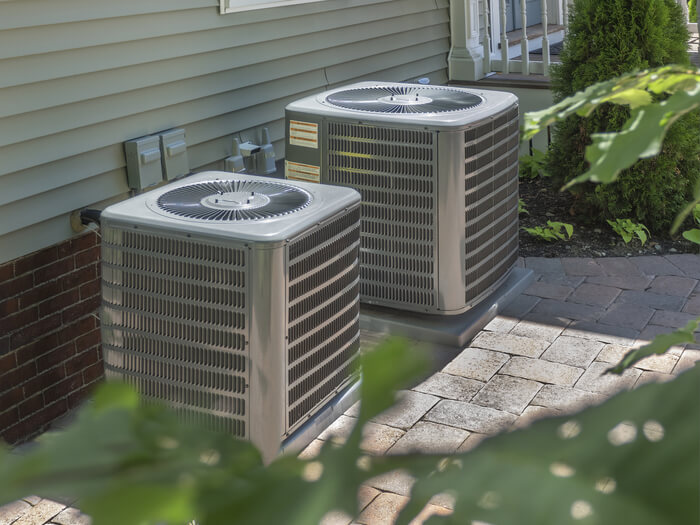
An HVAC system can be any combination of a heater unit and a cooling unit, all of which are described in the sections below.
How Does an HVAC System Work?
HVAC systems are responsible for regulating temperature and maintaining air quality through proper ventilation. There are three basic components — heating system, cooling system, and ventilation, to deliver efficient results.
HVAC systems heat the environment with the help of a heat pump by absorbing heat from the outside, distributing it inside. Or with the help of a furnace, where heat is generated either through electricity or burning a fuel source, which is then ventilated inside.
In warm climates, the air conditioning system absorbs the heat within the environment and moves it to the outdoor unit, where the warm refrigerant gas is taken to the compressor to remove ambient heat and turn it into its liquid form. This liquid refrigerant is then passed through a condenser and evaporator coil, which converts the liquid refrigerant into cool air that is passed through the vents and air ducts. Read in detail about how an HVAC system works to cool your home.
Frequently Asked Questions
What Are the Different Types of HVAC Systems?
There are four main types of HVAC systems:
- Heating and Cooling Split Systems: These systems consist of two separate units, one for heating and one for cooling. Split systems are the most common type of HVAC system.
- Mini Split Ductless Systems: These systems are also known as mini-split systems. They are a good option for homes that do not have ductwork.
- Packaged Heating and Air Conditioner Combinations: These systems are all-in-one units that contain both the heating and cooling components. Packaged systems are a good option for homes that have limited space.
- Geothermal Systems: These systems use the earth’s constant temperature to heat and cool your home. Geothermal HVAC systems are the most energy-efficient type of HVAC system, but they are also the most expensive to install.
Your HVAC contractor will be able to help you decide which combination of units will work best for your home’s size, the climate in your area, and your overall budget for the project. Here are the different combinations of HVAC systems that they may suggest after discussing your home’s heating and cooling needs:
Frequently Asked Questions
How Can I Calculate the Cost of Replacing an HVAC System?
To calculate the cost of replacing an HVAC system, consider these key factors:
- Local Climate and System Type: Your local climate is the most crucial element that affects choice of your HVAC system and costs associated with it. Installation costs will vary significantly based on the type (central air, ductless, heat pump) you want installed.
- HVAC Unit Size: Your regional climate will also affect the size of the HVAC unit you need, which should be appropriately matched to your home’s square footage.
- Efficiency Ratings: Higher efficiency units (measured by SEER for cooling and AFUE for heating) usually cost more upfront but can save money on energy bills over time.
- Ductwork and Modifications: The complexity of the installation, including modifications to existing ductwork or electrical systems, can impact labor costs.
- Location and Labor Rates: Costs can vary depending on your geographic location due to differing labor rates, cost of living, and local building codes.
- Additional Features and Upgrades: Options like smart thermostats, zoning, or air quality enhancements can increase the total cost.
Use our HVAC replacement cost calculator to determine your project cost considering these factors.


How To Choose the Right HVAC Contractor?
Here are some important things to consider when hiring an HVAC contractor for replacement based on the provided modernize.com links:
- Get Multiple Quotes: Don’t settle for the first quote you receive. Get quotes from several different contractors to compare prices and services. Evaluate the HVAC quote and the factors affecting it before closing the project.
- Compare Quotes Carefully: Make sure the quotes include all of the same items, such as the cost of the equipment, labor, permits, and any other fees.
- Vet the Contractor: Ask the contractor about their experience and some references that you can follow up with. Use our list of questions to vet contractors on a call.
- Look for a Licensed and Insured Contractor: Make sure the contractor is licensed and insured in your state. This will help protect you in case of any problems with the installation.
- Beware of Contractors Who Ask for a Large Down Payment: Reputable contractors will not ask for a large down payment upfront. Be wary of any contractor who does.
- Ask About Warranties: Make sure the contractor offers a warranty on their work and the equipment they install.
Ready to get your project started?
Let us find the best HVAC pros in your area, then easily request quotes, book a contractor, and get the job done. It’s that easy.

Real Stories, Real Success
See how our solutions empower homeowner projects and experiences.