
Foundations
Foundations: Repair and Replacement Services
Foundations: Repair, Types & Maintenance Guide
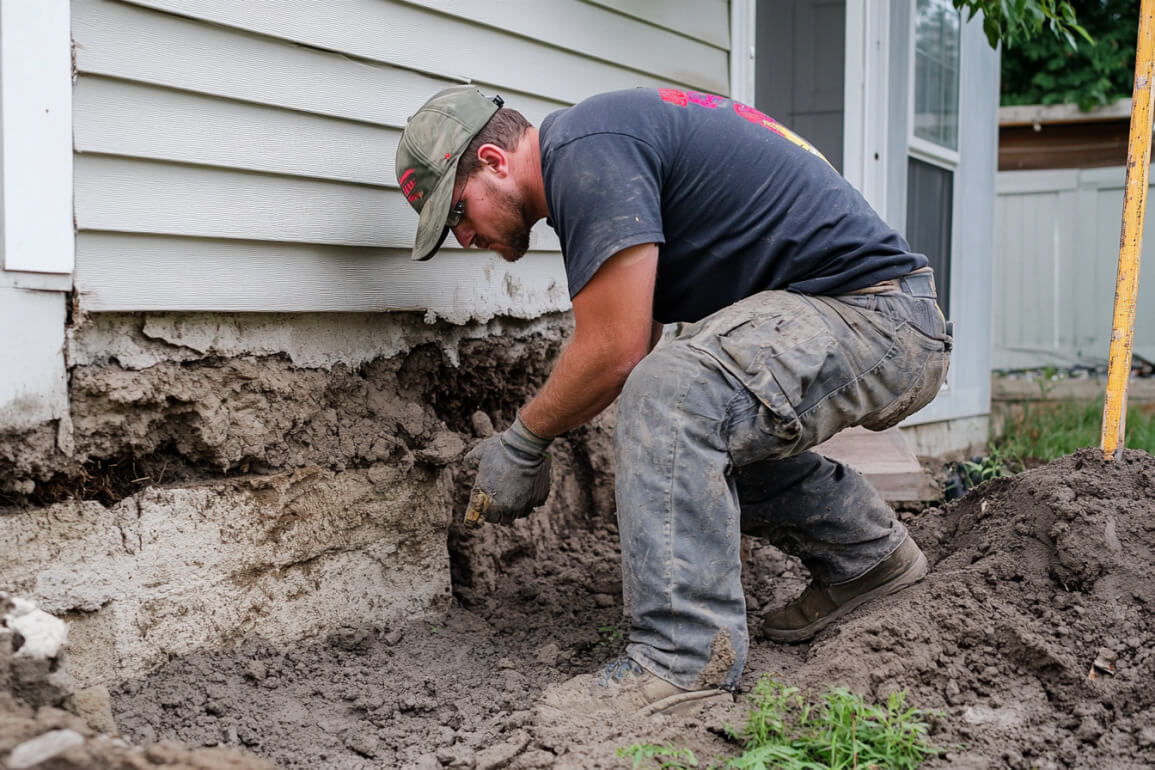
A home’s foundation does more than just hold up the house; it keeps your entire structure safe, level, and secure. When soil shifts, water seeps in, or time takes its toll, foundation issues can lead to uneven floors, wall cracks, and costly damage.
This guide breaks down the essentials of home foundations: how they work, the most common types, early warning signs, repair options, costs, and ways to prevent problems. Whether you’re researching a repair or simply want to understand what’s beneath your home, this is the place to start.
What Is a Home's Foundation?
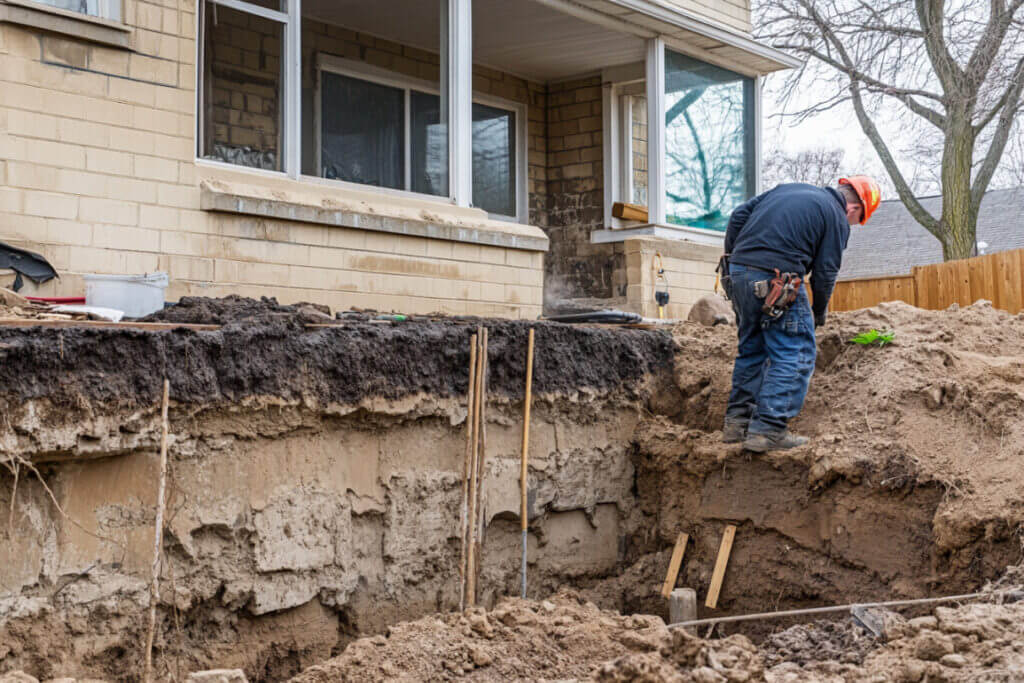
A home foundation is the base structure that supports your house and transfers its weight evenly into the ground. Its main job is to keep your home stable, prevent shifting, and protect against moisture damage.
Most foundations are built with concrete, stone, or brick. The type used depends on soil conditions, local climate, and the home’s design.
In short, the foundation keeps your home level, secure, and dry.
What Types of Foundations Are There?
Not all foundations are built the same. The right design depends on soil, climate, and the structure of your home.
Main foundation types include:
- Slab Foundation: A single concrete slab poured directly on the ground; simple and cost-effective for warmer climates.
- Crawl Space Foundation: Raises the home slightly above ground, allowing access to plumbing and wiring.
- Basement Foundation: Adds livable or storage space below ground; ideal for colder regions.
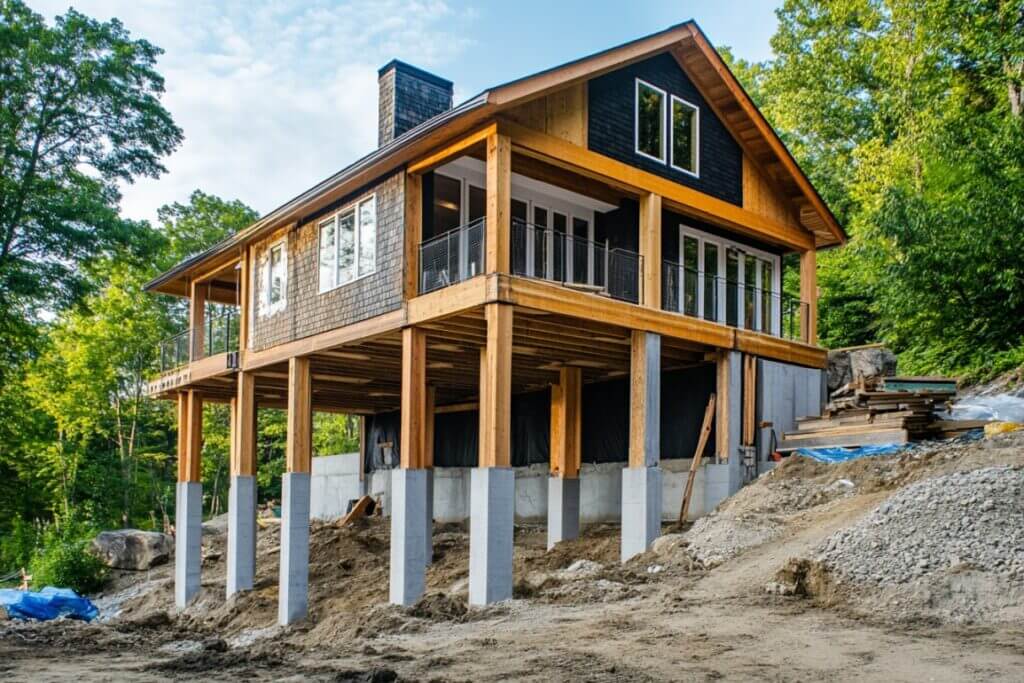
- Pier and Beam Foundation: Uses piers to elevate and stabilize homes built on shifting or expansive soils.
Each type has different pros, cons, and repair needs.
What Are the Signs You May Need Foundation Repair?
Foundation problems usually develop gradually, but early detection can save thousands of dollars.
Common early warning signs include:
- Cracks in walls, ceilings, or floors
- Doors or windows that stick or don’t close properly
- Uneven or sagging floors
- Gaps between walls and baseboards
- Water leaks or mold growth in basements or crawl spaces
If you see these issues, it’s important to schedule a professional foundation inspection.
Which Foundation Repair Methods Are Best?
The right solution depends on how severe the damage is and what caused it. Some problems can be fixed quickly, while others require major reconstruction.
Typical foundation repair methods include:
- Crack Sealing: Fills minor cracks to prevent water intrusion.
- Underpinning: Strengthens and stabilizes a settling foundation using added piers or supports.
- Slabjacking (Mudjacking): Raises sunken concrete by injecting grout beneath it.
- Full Replacement: Used when the foundation is beyond repair due to severe cracking or shifting.
Not sure which approach you need? Start with a professional evaluation.
How Much Does Foundation Repair Cost?
Foundation repair costs can vary widely based on damage type, materials, and regional labor rates.
Average cost ranges:
- Minor Crack Repairs: $500 to $2,000
- Underpinning or Pier Installation: $1,000 to $3,000 per pier
- Slabjacking: $3,000 to $7,000
- Full Foundation Replacement: $20,000 to $100,000
The best way to get an accurate estimate is to schedule a professional inspection and compare multiple quotes.
➤ Learn about what to expect in our guide to foundation repair cost or dive deeper in our foundation repair cost state guides:
- California
- Florida
- Georgia
- Illinois
- Indiana
- Michigan
- Missouri
- North Carolina
- Ohio
- Oregon
- Pennsylvania
- Washington State
How Do You Choose a Foundation Contractor?
Your contractor’s experience and qualifications can make a big difference in the quality of your repair. Look for professionals who are licensed, insured, and experienced with your specific foundation type.
Before hiring, ask these questions:
- How long have you been in business?
- What foundation types do you specialize in?
- What repair method do you recommend, and why?
- What kind of warranty do you offer on your work?
Avoid contractors who use high-pressure sales tactics or can’t provide clear estimates in writing.
How Can You Prevent Foundation Problems?
Most foundation damage starts with poor drainage or excess moisture. Good maintenance can help you avoid costly repairs.
Simple prevention tips:
- Inspect your foundation at least twice a year for cracks or shifting.
- Keep gutters and downspouts clear and drain water at least 5 feet from your home.
- Maintain even soil moisture with mulch or a soaker hose.
- Repair small cracks early before they expand.
- Keep trees and large shrubs at least 15 to 20 feet from your home to avoid root damage.
If your area has heavy rainfall or high humidity, consider waterproofing solutions to prevent water from seeping into your basement or crawl space.
Frequently Asked Questions
Take the Next Step
Your foundation is the backbone of your home. Keeping it stable and dry protects your investment and prevents long-term structural damage.
If you’re noticing warning signs or simply want peace of mind, start here:
Ready to get your project started?
Let us find the best Foundation pros in your area, then easily request quotes, book a contractor, and get the job done. It’s that easy.

Homeowner Resources
Here are the top articles that homeowners found useful when planning their Foundations project and navigating the contractor hiring process.
Real Stories, Real Success
See how our solutions empower homeowner projects and experiences.