



8 Most Popular Window Types
Here are the window types most homeowners choose for their window replacement project, pros and cons of each, and average cost.
1. Single-Hung Windows
Cost: $450 to $950. See our single-hung windows cost guide for more info.
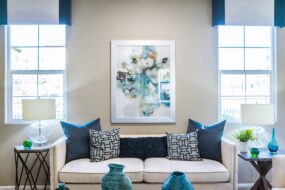
How It Works: Single-hung windows have a traditional design with two panes. Only the bottom sash opens upward, while the top sash remains fixed. See our single-hung windows buying guide for more info.
Pros: Affordable and easy to operate; simple, classic look that suits most home styles.
Cons: Provides limited ventilation (only opens halfway). The fixed upper pane makes cleaning the exterior of the top sash difficult from inside. Also offers slightly less airflow than a double-hung window.
Best for: Hallways, stairwells, and other areas that don’t require extensive ventilation. Also a budget-friendly choice for bedrooms, basements, and living rooms.
2. Double-Hung Windows
Cost: $480 to $1050. See our double-hung windows cost guide for more pricing information.
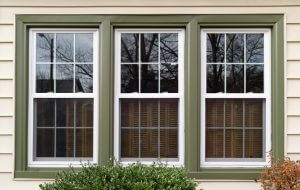
How It Works: Both the lower and upper sashes are operable, sliding up or down. Many double-hung windows also tilt inward for easy cleaning.
Pros: Offers versatile ventilation. You can open the top, bottom, or both sashes partway to improve airflow. Easy to clean (thanks to tilt-in panels) and very common, available in many sizes and materials. A safe choice for families since opening the top sash only can keep it out of reach of children and pets.
Cons: More moving parts mean slightly higher chance of air leakage compared to single-hung. Generally a bit more expensive than single-hung windows.
Best for: Bedrooms, living rooms, kitchens, and bathrooms or any room where you want ample ventilation and the ability to easily clean the window. They are especially good for upper-floor rooms, since opening the top sash can release hot air near the ceiling.
See common double-hung window sizes on this page.
3. Casement Windows
Cost: $650 to $1350. See our casement windows cost guide for more pricing information.
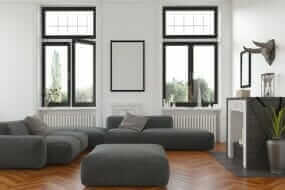
How It Works: A casement window operates via a crank handle. The window sash swings outward like a door when opened. Learn more in our casement windows buying guide.
Pros: Allows for excellent ventilation. Offers a clear, unobstructed view. When locked, it seals tightly all around for energy efficiency.
Cons: When open, the projecting sash could be a safety hazard (especially on lower floors or near walkways). Not ideal near high-traffic exterior areas.
Best for: Kitchens, bathrooms, and living areas where you want maximum airflow. Common above kitchen sinks (easy to crank open) and in modern-style homes seeking large glass panes. Be cautious using casements on upper floors if you have young children (the wide opening could be a fall risk without safety features).
See common casement window sizes on this page.
4. Sliding Windows
Cost: $800 to $1700. See our sliding windows cost guide for more pricing information.
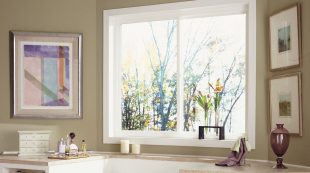
How it works: Opens by sliding horizontally along a track (one sash slides over the other). Similar mechanism to a single-hung, but side-to-side instead of up-down. Get the sliding windows buying guide.
Pros: Easy to use, no heavy lifting, just slide it open. Great for wide, short openings or rooms with limited vertical space. Ventilation is adjustable by sliding open as much or little as you want.
Cons: The bottom track can collect dirt and debris, requiring periodic cleaning to ensure smooth operation. Generally not as airtight as crank or fixed windows, slightly less energy efficient than casement or awning styles due to the sliding seal.
Best for: Bathrooms, kitchens, or any space with a wide wall area and limited vertical clearance. They work well above kitchen counters or in basements (egress sliders) and are also popular for contemporary-style living rooms and bedrooms that favor a low, horizontal window profile.
See common sliding window sizes on this page.
5. Awning Windows
Cost: $520 to $1150. See our awning windows cost guide for more pricing information.
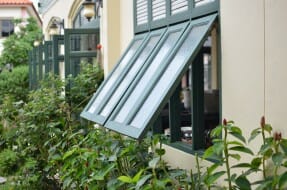
How It Works: Hinged at the top, awning windows swing outward from the bottom, forming an “awning” effect when open. See the awning window guide for more.
Pros: Excellent for ventilation even during rain. They seal tightly when closed, offering good energy efficiency. Often smaller in size, which also makes them more secure (harder to break into) and budget-friendly.
Cons: Generally smaller than other types, so one awning window might not illuminate a large room as much. They need clear exterior space to open outward (no bushes, screens, or obstacles directly outside).
Best for: Bathrooms and kitchens, places where you want ventilation in damp conditions (they vent steam and humidity well). Also popular in basements (installed high on a wall) because they can meet egress requirements if sized correctly and are very secure against intrusion.
See common casement window sizes on this page.
Alternative Option: Hopper windows that swing inward.
6. Bay Windows
Cost: $1900 to $4500. See our bay window cost guide for more pricing information.
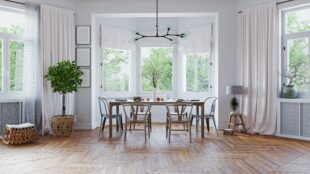
How It Works: A bay window protrudes outward from the exterior wall and is typically made of three joined panels: a large fixed center window flanked by two angled side windows. See more bay windows here.
Pros: Expands interior space and creates a cozy nook or shelf area for seating or decor. Maximizes views from multiple angles and adds significant curb appeal and character to your home.
Cons: They’re expensive. The projection may require additional structural support, and the joined seams can create potential points for energy loss.
Best For: Living rooms, dining areas, kitchens, or master bedrooms where you want a statement feature, extra light, and a possible reading bench or plant shelf.
See common bay window sizes on this page.
Alternative Options: Bow windows look similar. Garden windows are a smaller, often less expensive, but still decorative option.
7. Picture Windows
Cost: $650 to $2700. See our picture window cost guide for more pricing information.

How It Works: A large fixed window that does not open. Essentially a big pane of glass framed on the wall. It “pictures” the outside view like a big photo frame. See more in our picture window guide.
Pros: Offers unobstructed views and tons of natural light. No moving parts means fewer gaps for air to leak. Also typically low maintenance.
Cons: No ventilation since it can’t open. Larger picture windows can also be less efficient than other window types.
Best for: Rooms where you want to maximize scenery and light. Common in living rooms, great rooms, or stairway landings where a dramatic view or sunlight is desired.
See common picture window sizes on this page.
Alternative Window Option: Floor-to-ceiling windows for better views, or glass block windows for more privacy.
8. Skylight Windows
Cost: $11000 to $3300. See our skylight window cost guide for more pricing information.
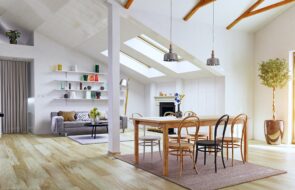
How It Works: A window installed in the ceiling or roof of a home. Get the full details in our skylight windows guide.
Pros: Great for maintaining privacy while still getting daylight where other windows aren’t possible. Can add architectural interest and raise your home’s value.
Cons: Installation must be done perfectly to avoid leaks. Operable skylights and those with blinds are more expensive, and even fixed skylights can be costly to add to an existing roof.
Best for: Bathrooms, kitchens, lofts, upstairs hallways, or any dark area where adding a wall window is impractical. Avoid in bedrooms unless using shades as they let light in early in the morning.
Alternative Option: Tubular skylights


Other Window Styles to Consider
Beyond the most popular styles above, there are many specialty windows and design options available. These may serve specific purposes or aesthetics. Here are a few additional types of windows for unique needs or architectural flair:
- Arched Windows: Rounded top windows that add elegant architectural detail. Often fixed or placed above rectangular windows. They cost more but boost curb appeal.
- Jalousie Windows: Horizontal glass slats that open like blinds. Great airflow but poor energy efficiency and security; mainly used in sunrooms or retro designs.
- Round & Oval Windows: Decorative circular or oval windows, often fixed, used as accent pieces in historic or unique architectural styles.
- Transom Windows: Small windows above doors or larger windows to add light and style; usually fixed in modern homes.
- Custom Windows: Made to your exact size and shape. More expensive (25% to 75% higher) but ideal for unique designs.
| Room | Window Type | Why We Recommend It |
|---|---|---|
| Living Room | Bay, Picture, and Casement | Expansive views and lots of light. |
| Kitchen | Sliding, Garden, and Casement | Easy to open, provide light for herbs and plants, and offer great ventilation. |
| Bedroom | Double-hung, Casement, and Awning | Versatile ventilation to encourage air flow and allow for lots of light. |
| Bathroom | Awning, Glass Block, and Hopper | Great for privacy and small spaces while still providing good light. |
| Dining Room | Picture, Casement, and Bay | Maximize light and views to the outdoors while promoting air flow. |
| Home Office | Double-hung, Bay, and Picture | Great views and lots of light to enjoy. |
Window Types for Special Situations
Some window types are defined not by their shape or how they open, but by a special function or requirement. These windows are used in specific scenarios or locations:
- Egress Windows: Not a style but a safety requirement. Bedrooms and habitable basements must have a window large enough for emergency escape.
- Storm Windows: Installed in addition to your main windows to add insulation and wind protection, especially in cold or storm-prone areas.
- Impact Windows (Hurricane Windows): Built to withstand hurricanes and flying debris, with laminated glass and reinforced frames. Required in some coastal areas and also boost security and reduce noise.
Final Thoughts on Choosing the Right Type of Window
Choosing the right type of windows is a balance of practical needs, style, and budget. By understanding how each type functions and its strengths, you can make a choice that improves your home’s comfort, efficiency, and curb appeal.
Once you know the styles you like, get professional advice. A contractor can recommend the best options for your home’s structure and provide accurate pricing. You might even secure better rates for larger projects or find seasonal discounts.
Frequently Asked Questions
-

How Much Does Castle Windows Cost?
How Much Does Castle Windows Charge for Window Replacement? On average, expect to pay between $4,000 and $15,000 for full window replacement throughout your home. Most customers find that their... -
How Much Do DaBella Windows Cost?
How Much Do DaBella Windows Cost? DaBella offers top-of-the-line vinyl windows at an average cost of $1,250 to $1,600 per window. For a 10 to 15 window project, expect to pay... -

How Much Does Window Nation Cost?
Average Cost for Window Nation Windows Window Nation doesn’t publish prices on their site, but third-party sources provide estimates of the company’s average window costs. Expect to pay between $1,200... -
Power Home Remodeling Windows Cost
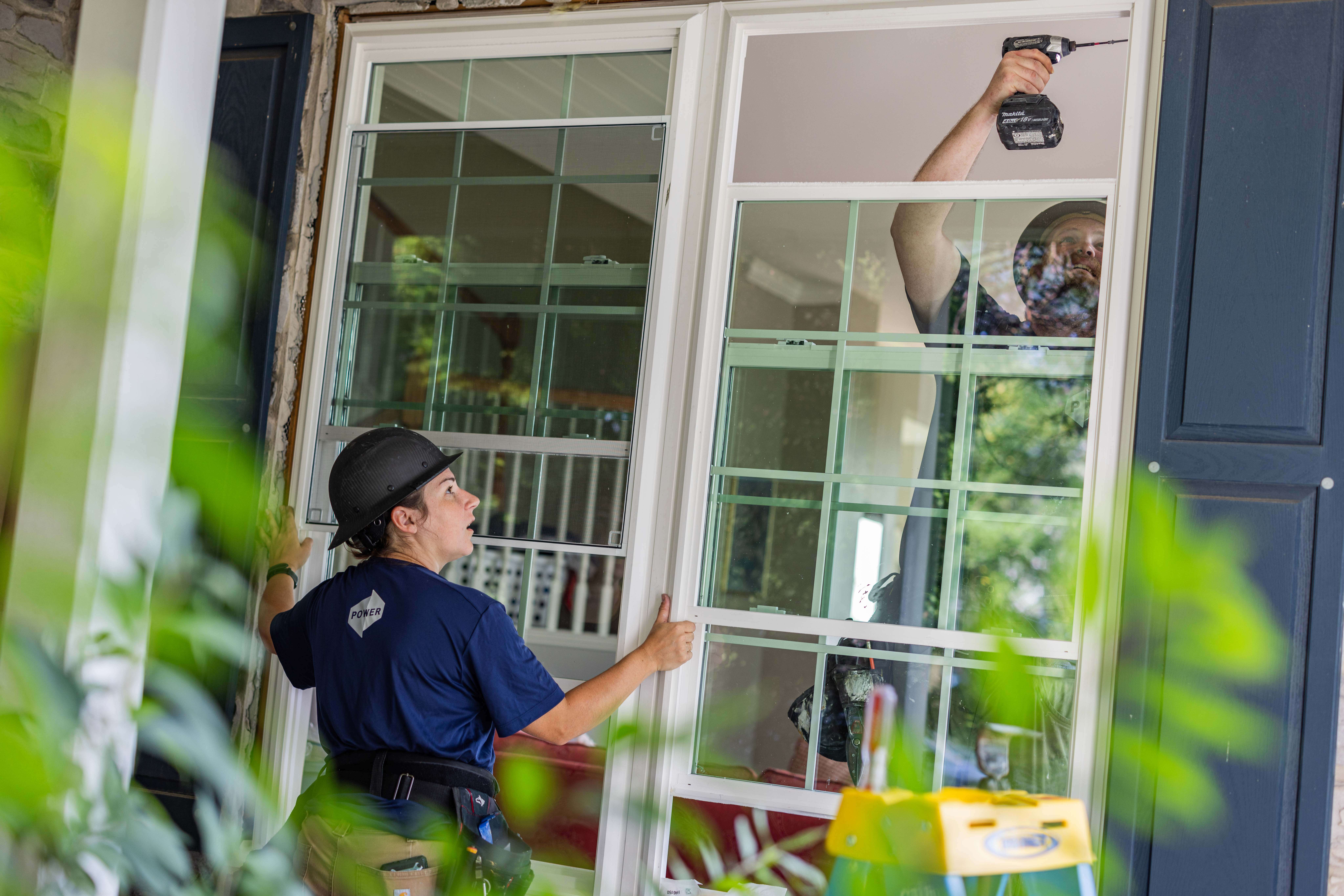
How Much Do Power Home Remodeling Windows Cost? Window replacement with Power Home Remodeling (PHR) typically costs between $400 and $1,100 per window installed, or $150 to $800 for the... -
Common Window Problems
Common Window Problems Homeowners Should Watch For Windows do more than bring in light. They help protect your home from weather, maintain indoor comfort, and support energy efficiency. Over time,... -
Andersen Windows Cost Guide
What’s the Average Cost of Andersen Windows? The national average cost of Andersen Windows is $1,900 per window or $28,500 for a full window replacement. Installation costs can range from...